

Layered or cased glass combines clear, colored or opal glasses to create decorative effects. The glass combination must be assessed under the forming and cooling cycle used for the piece. Matching nominal expansion coefficients alone does not establish compatibility.
A double-wire comparison is one screening method: a test glass and a known reference are fused side by side and drawn together. The cooled specimen is examined for bending under a defined preparation and measurement procedure. Keep specimen geometry and thermal history consistent when comparing batches.

Comparing Glasses with a Double-Wire Test
Bending of a fused comparison specimen reflects the behavior of the two glasses during cooling. Interpretation depends on geometry, preparation and test conditions; use a validated procedure and reference material for consistent comparisons.
Prepare and inspect specimens using the same documented dimensions and measurement arrangement. Record the reference glass, test batch, specimen thickness, measurement span and bending observed. Acceptance limits should come from a validated method for the glasses and process being assessed.
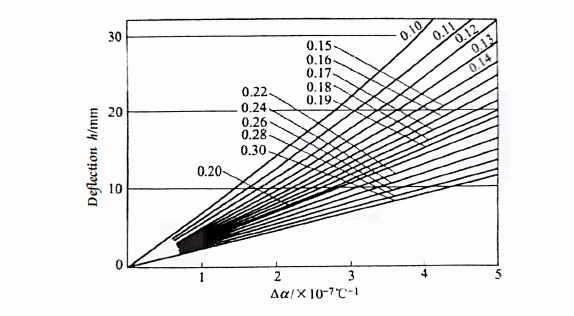
Use retained reference samples and batch records to compare changes over time. An unusual result should trigger review of the glass combination and process before production. Confirm suitability with appropriate compatibility measurements and representative forming and annealing trials. A single bend-height threshold does not guarantee that the finished piece will remain free of stress or cracking.


