
Custom Hand-Blown Glass Parts
Your Reliable Glass Fabrication Solutions Expert
Precision-engineered custom glass solutions, empowering global innovation for over 20 years.
Trusted Supplier to Fortune 500 Companies
Experience Serving 10,000+ Customers
12,000 m2 production base,24 hours running production lines;
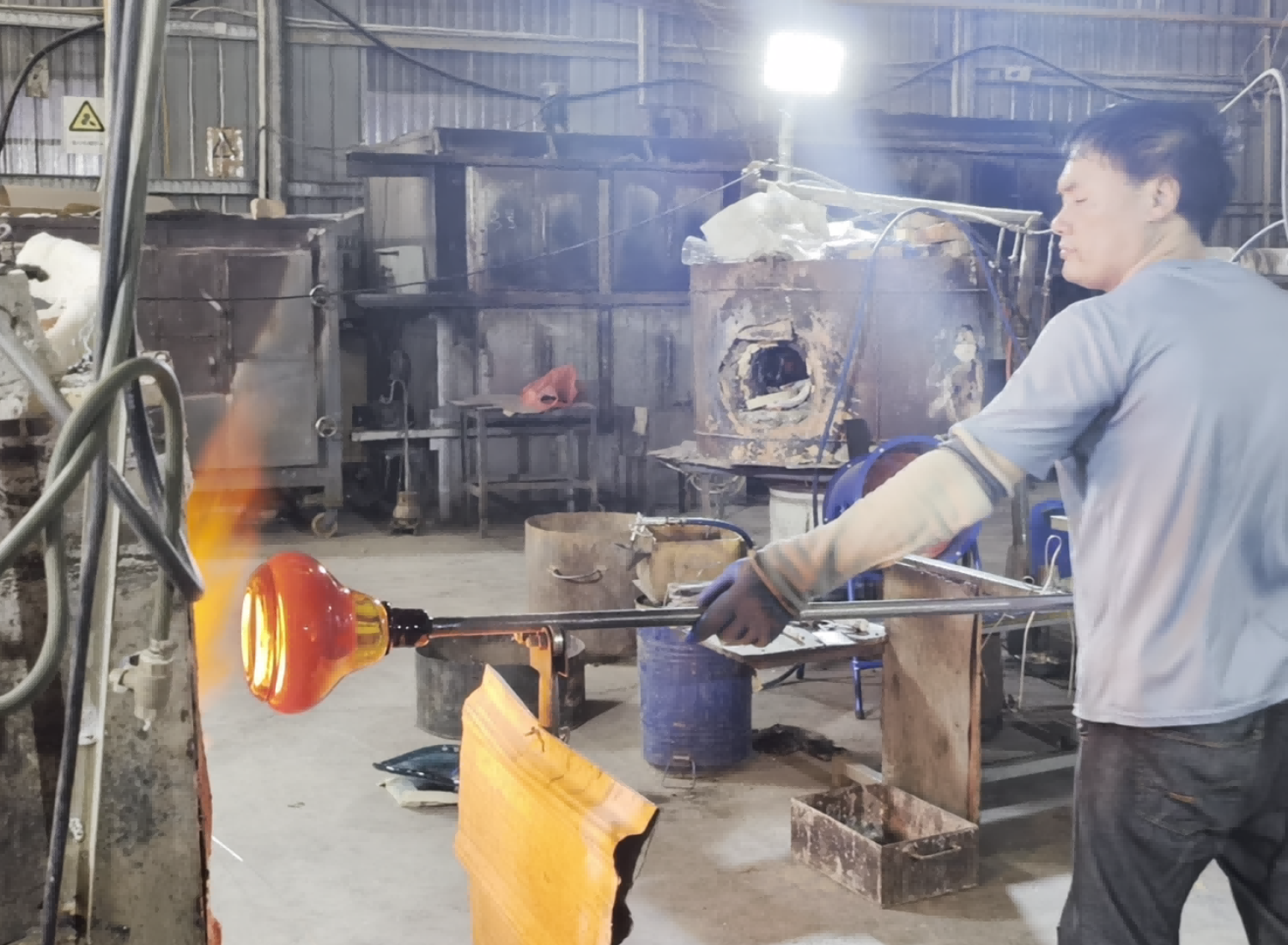
Custom Hand-Blown Glass Parts
Hand-blown glass parts are shaped from heated glass using a blowpipe, tools and, where required, a mold. Shape, openings, wall thickness, appearance and intended use guide the process. Borosilicate tube blowing is reviewed as a separate route starting from glass tubing.


Our production process
The drawing or reference sample defines the shape, openings, wall thickness and fitting features. Glass selection, forming, annealing and finishing are reviewed together before production.
Raw material smelting
Workers use a blowpipe to dip glass material from the crucible. After preheating, the blowpipe is inserted into the glass liquid at an angle of 45°~50°, with a depth of 2~4cm. After rotating 3~4 times, the blowpipe rotates to the left front after a certain amount of glass liquid is rolled up. The material wire is placed in front of the left of the material collection position, and the material is rounded after removal.
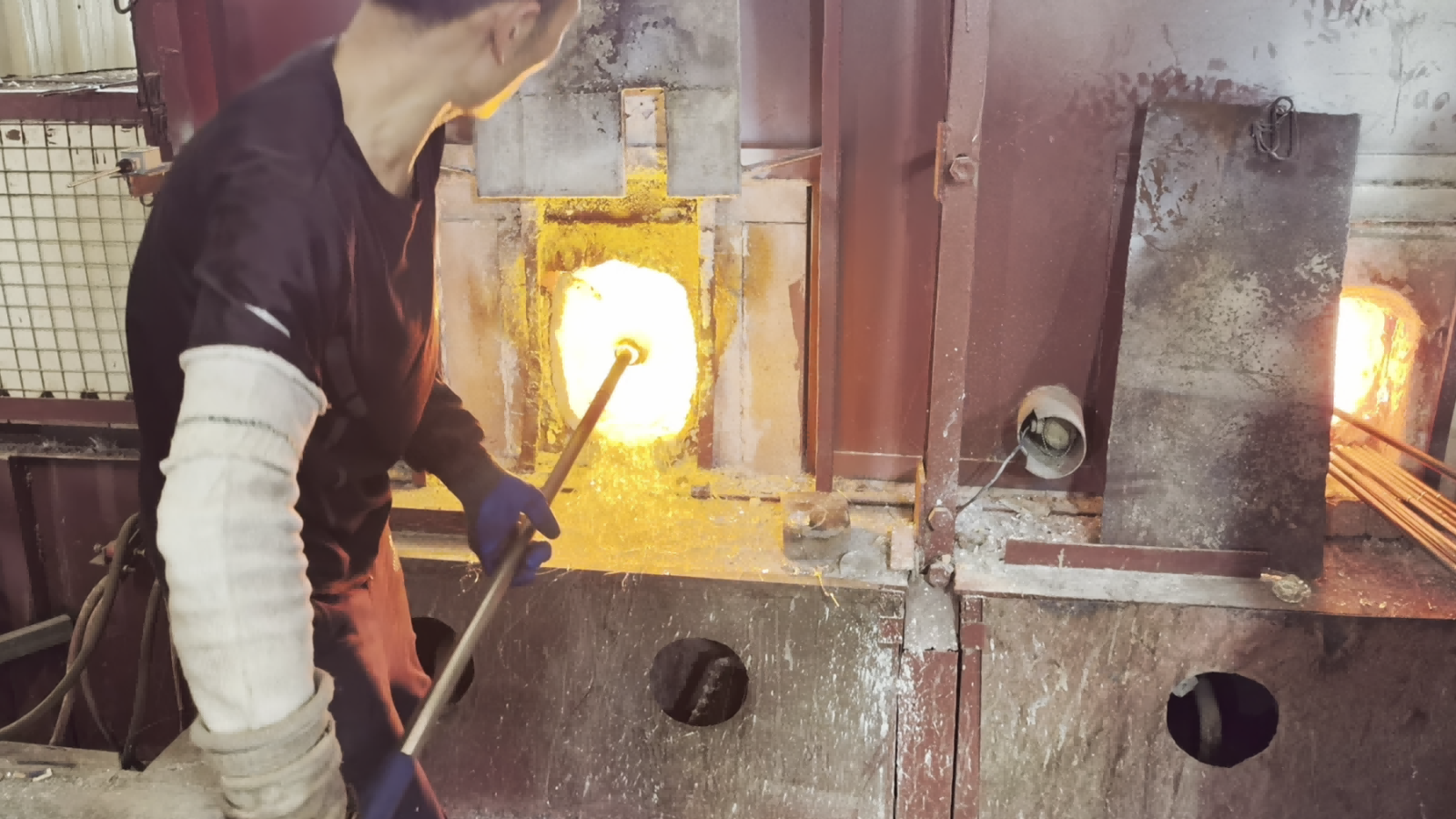
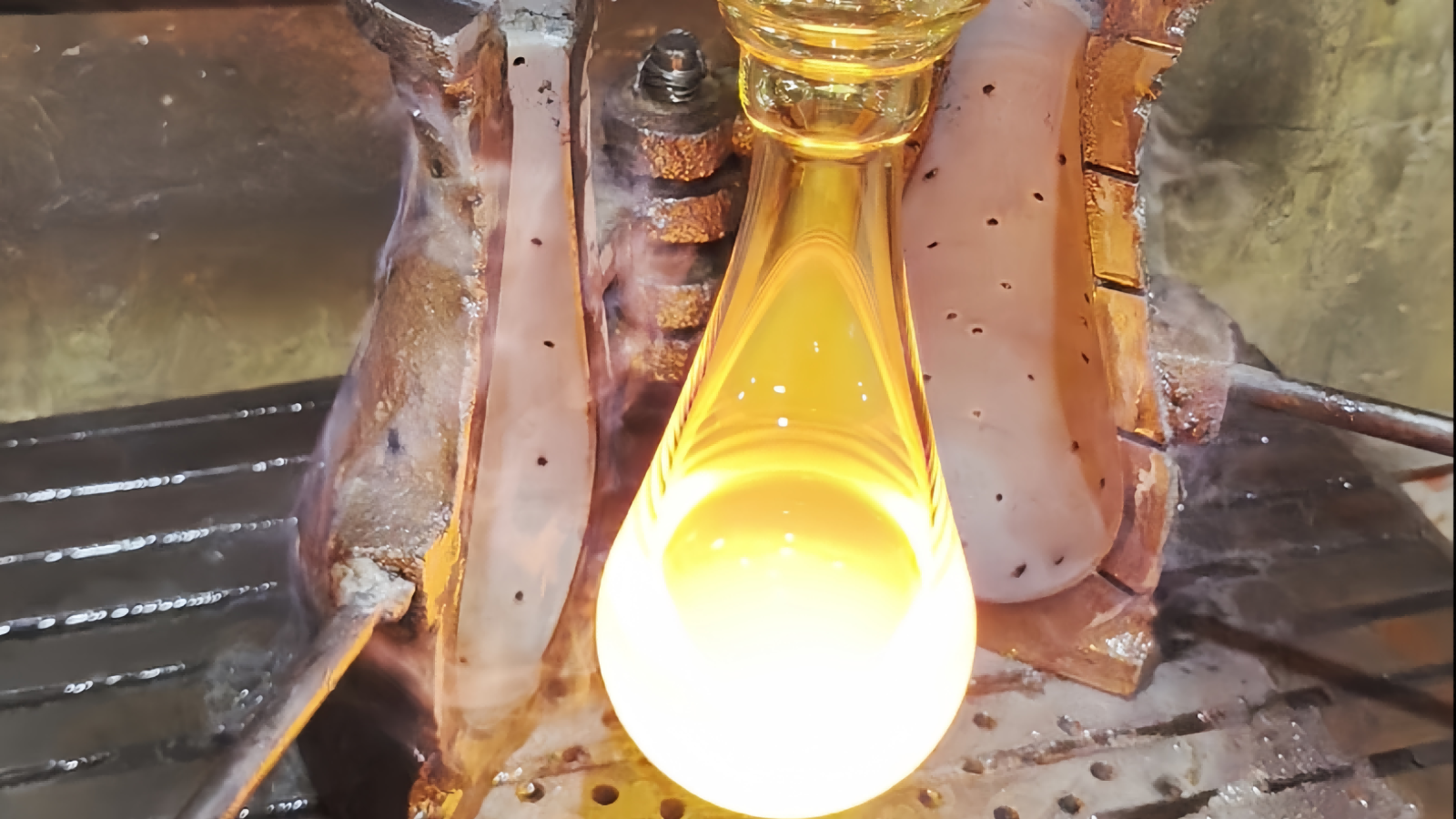
Blowing and shaping in the mold
Put the prepared giant bubble into the mold. The blowpipe needs to be rotated and blown continuously for rotary-blown products. The air can be blown directly for static-blown products to expand the bubble and fill the entire mold cavity to form the desired shape. The speed should be slow initially, and the air should not be given too quickly.
Fire polishing
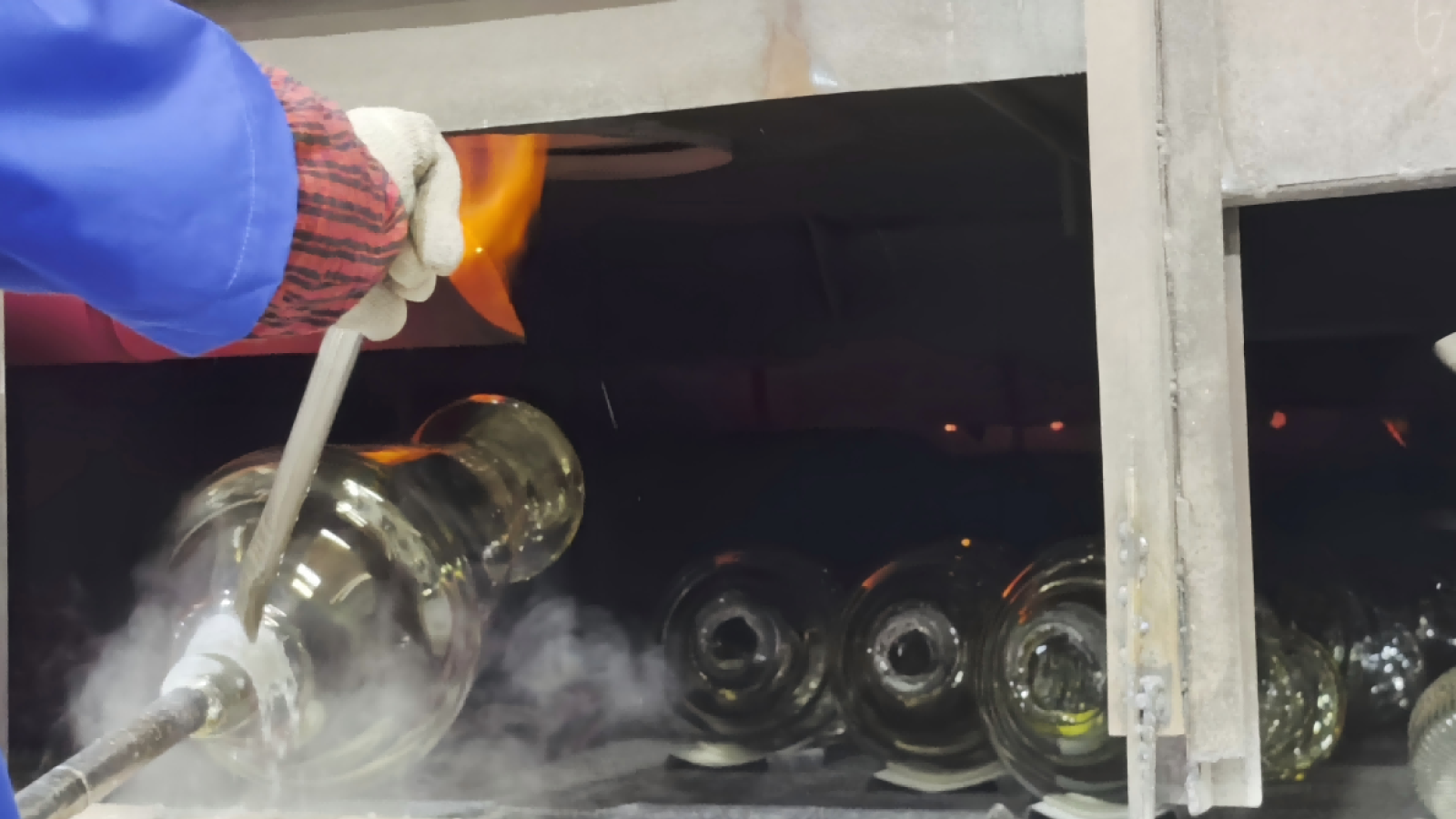
Fire polishing uses high-temperature flames to melt glass surfaces, eliminating imperfections and enhancing gloss. It smooths edges, removes micro-cracks, and improves transparency, ensuring uniform aesthetics without mechanical contact. Essential for final finishing in glassblowing to achieve premium surface quality
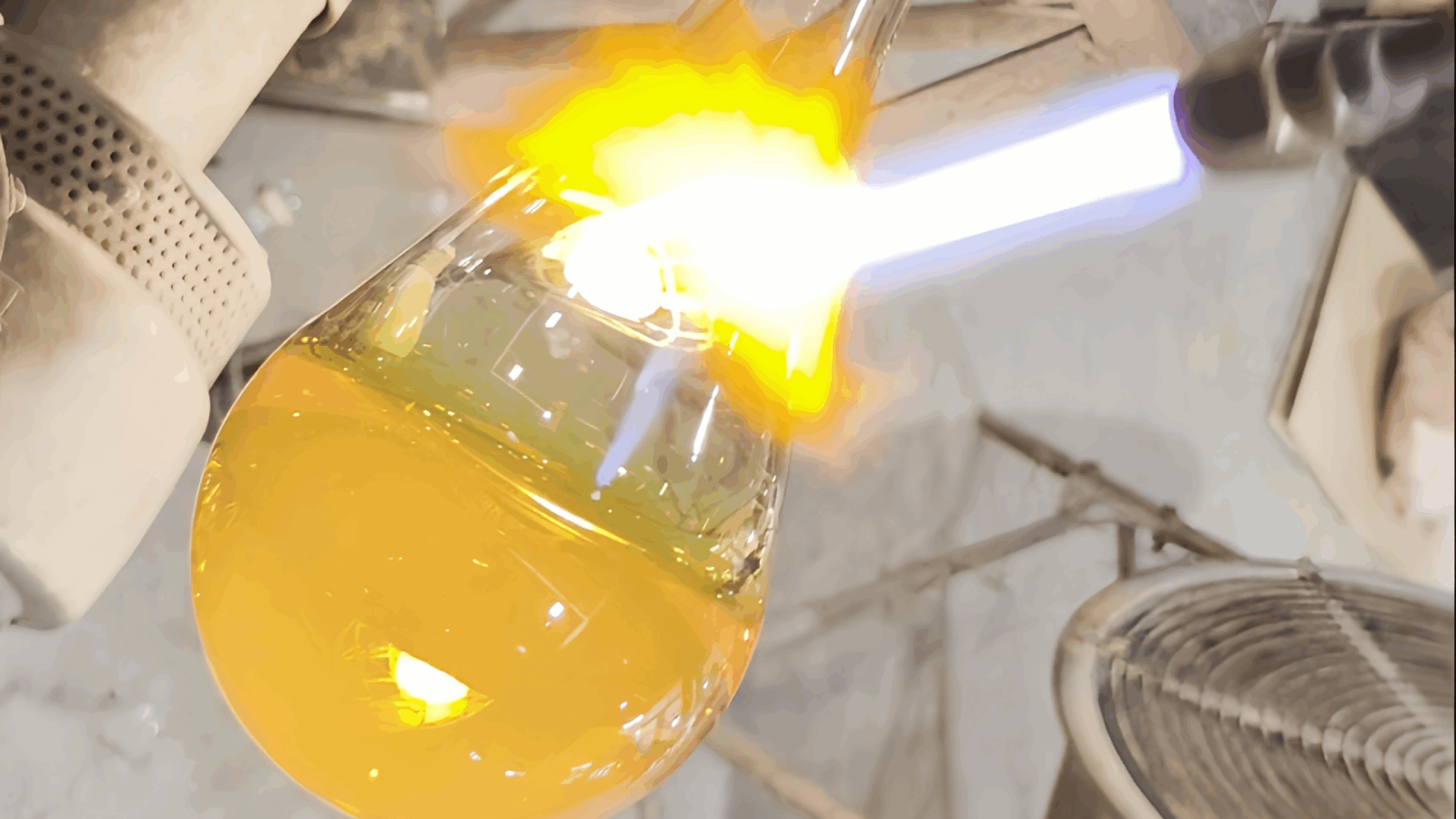
Annealing
Controlled annealing is used to reduce internal stress after hot forming. The cycle is selected for the glass, wall thickness and geometry.
Cutting
Cutting is reviewed for the glass, thickness and geometry. Tolerances and edge quality are confirmed for the specific component.
Edging
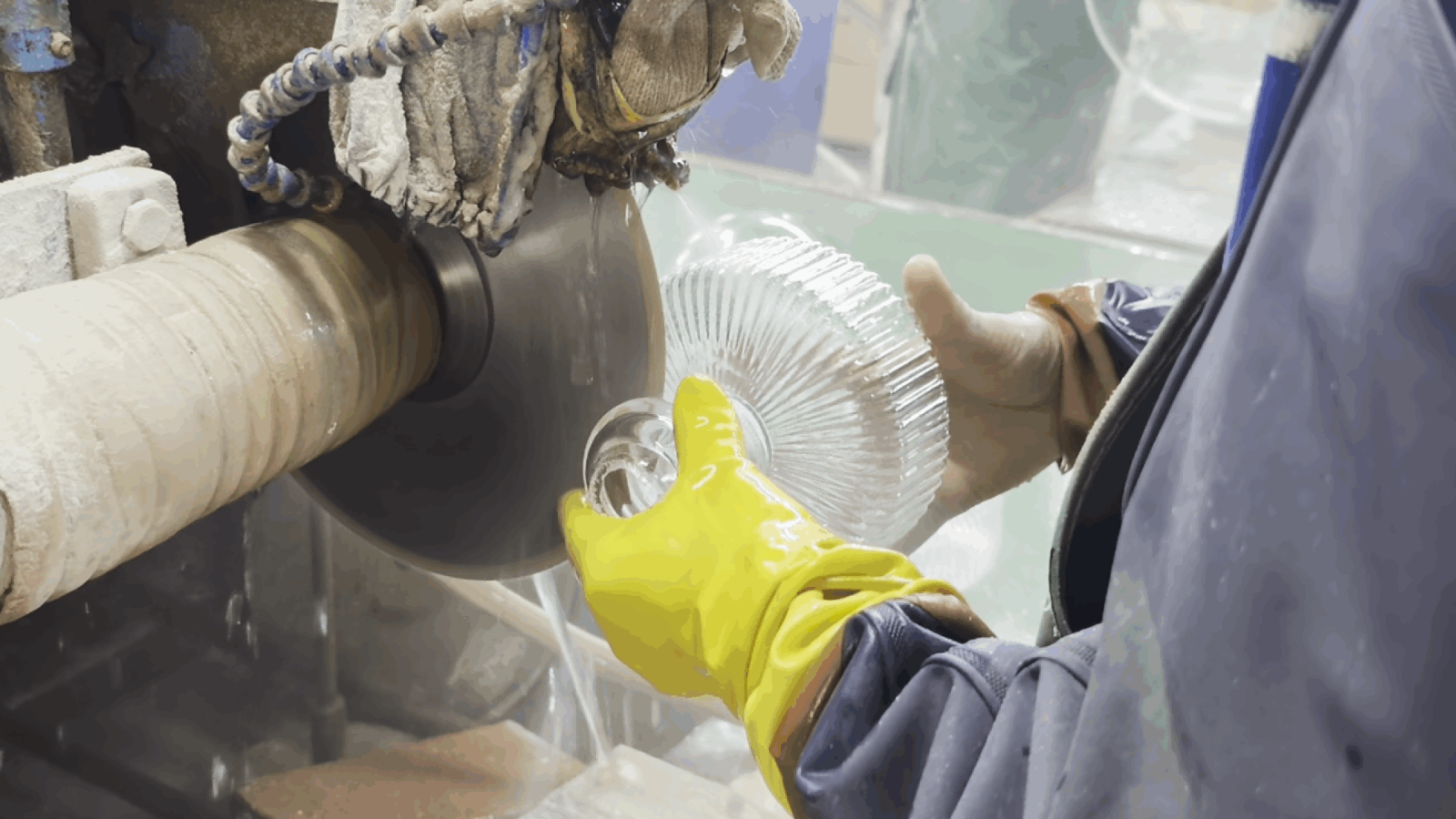
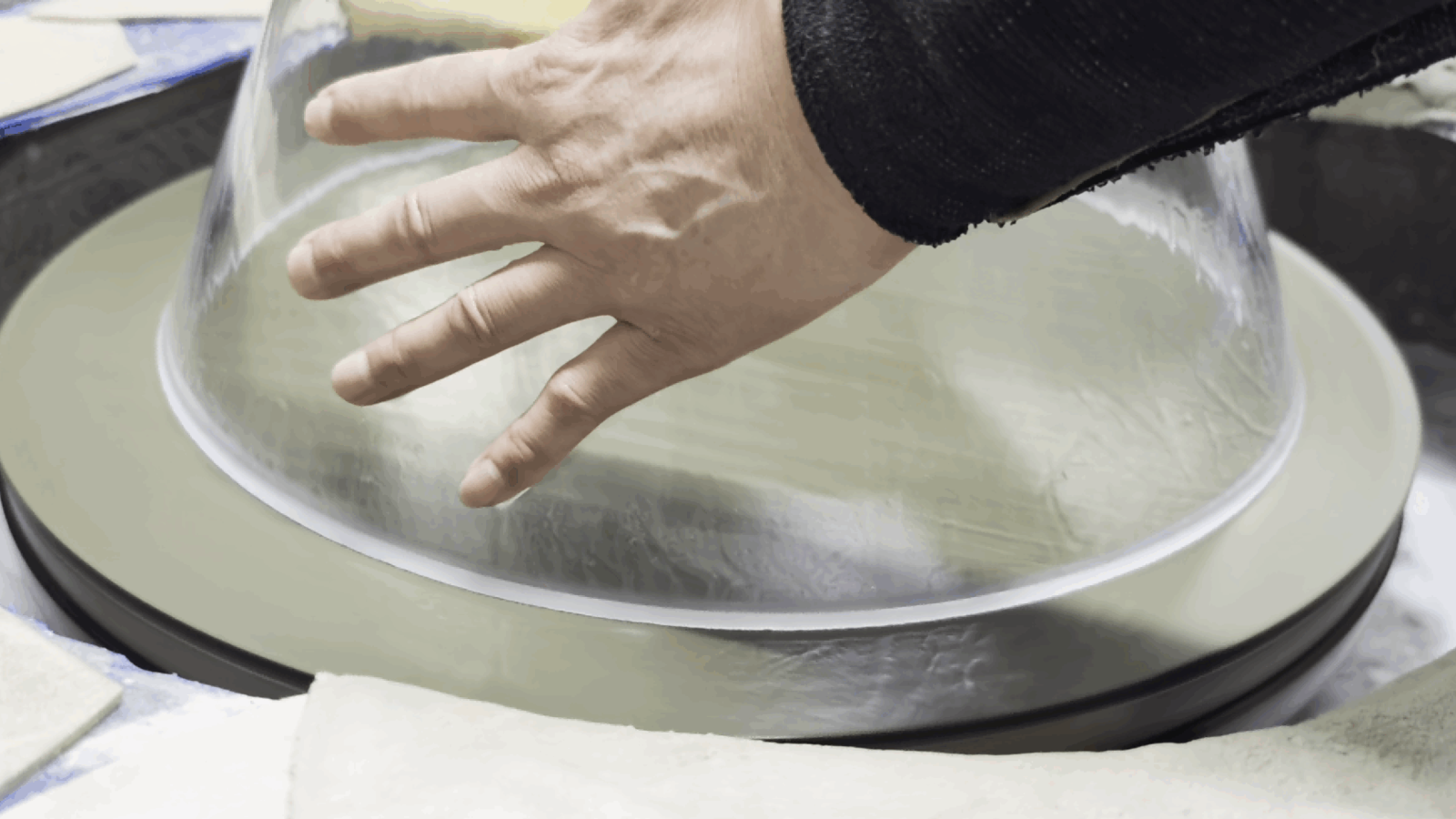
BO-GLASS uses multi-stage precision grinding technology to quickly remove unevenness and processing residues on the glass surface, ensuring accurate product size and consistent shape. From initial shaping to fine finishing, we use intelligent process control to achieve efficient production, reduce material loss, and provide a uniform and delicate base surface for subsequent polishing.
Chamfer
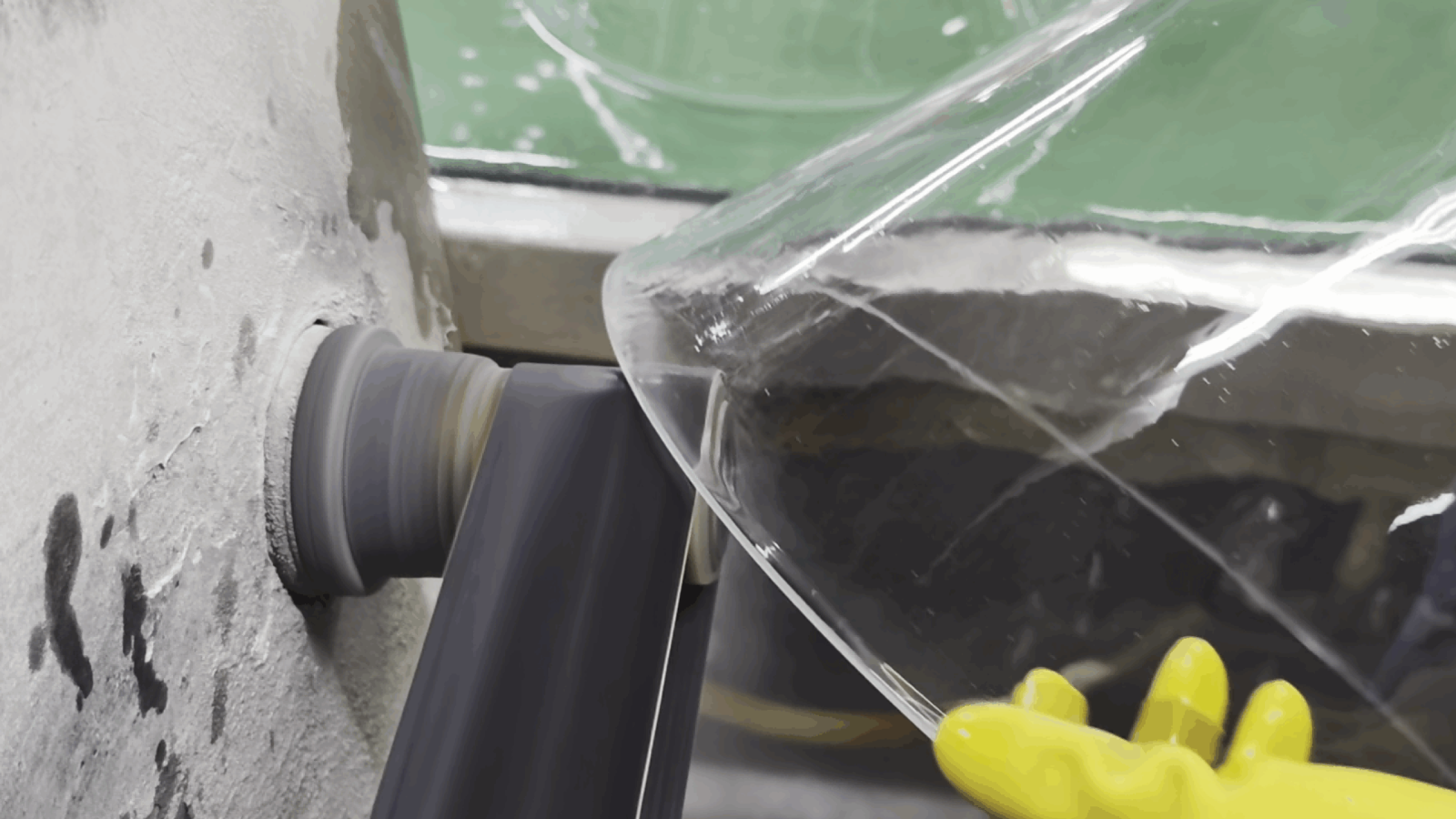
Chamfers and exposed edges are finished to the profile and dimensions specified for the component and its intended handling.
Cleaning
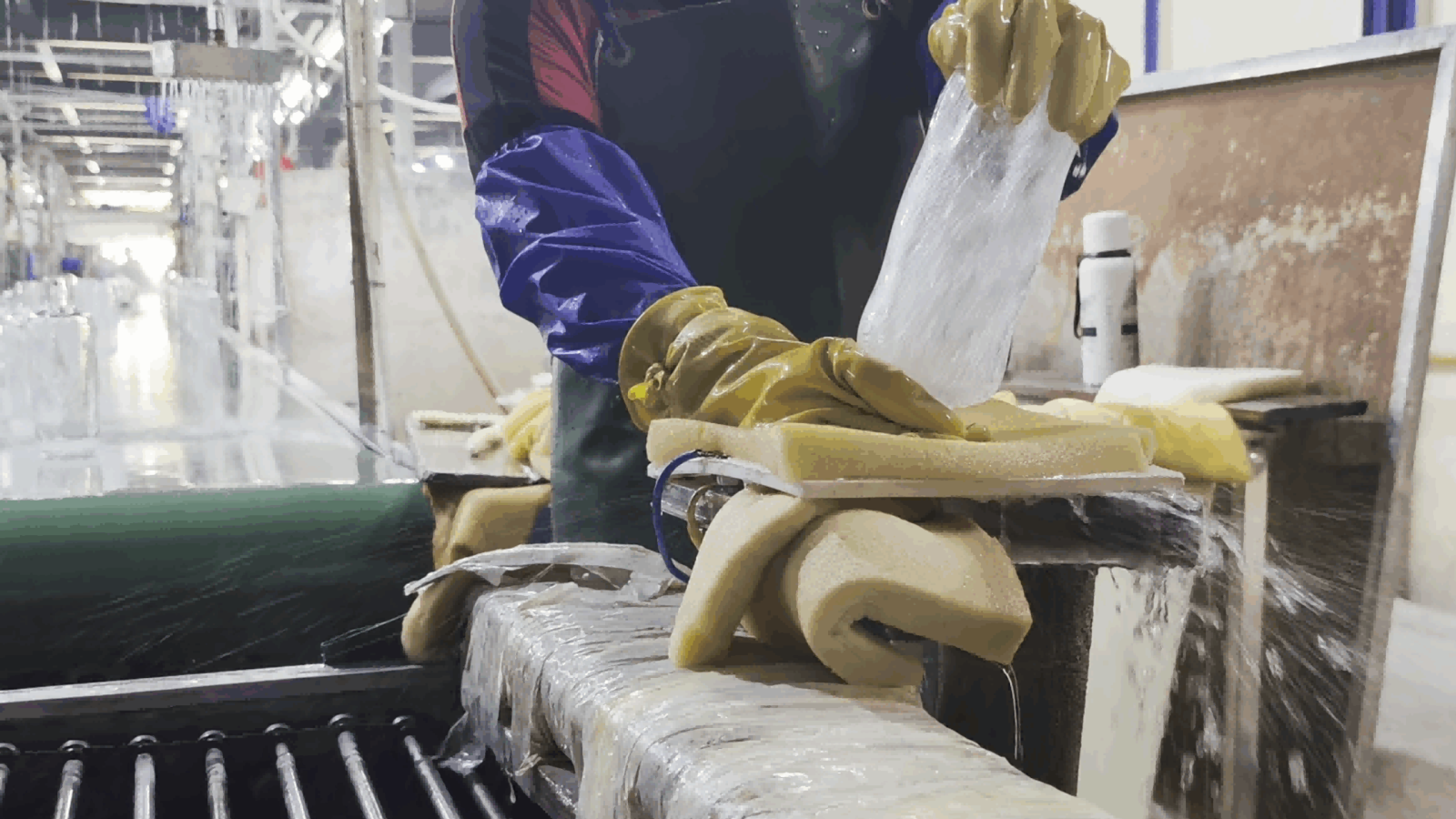
Glass surfaces exposed to the atmosphere are generally contaminated. Any useless substance and energy on the surface is a pollutant, and any treatment will cause pollution. Surface pollution can be gas, liquid or solid in terms of its physical state, and it exists in the form of film or particles.
Drilling
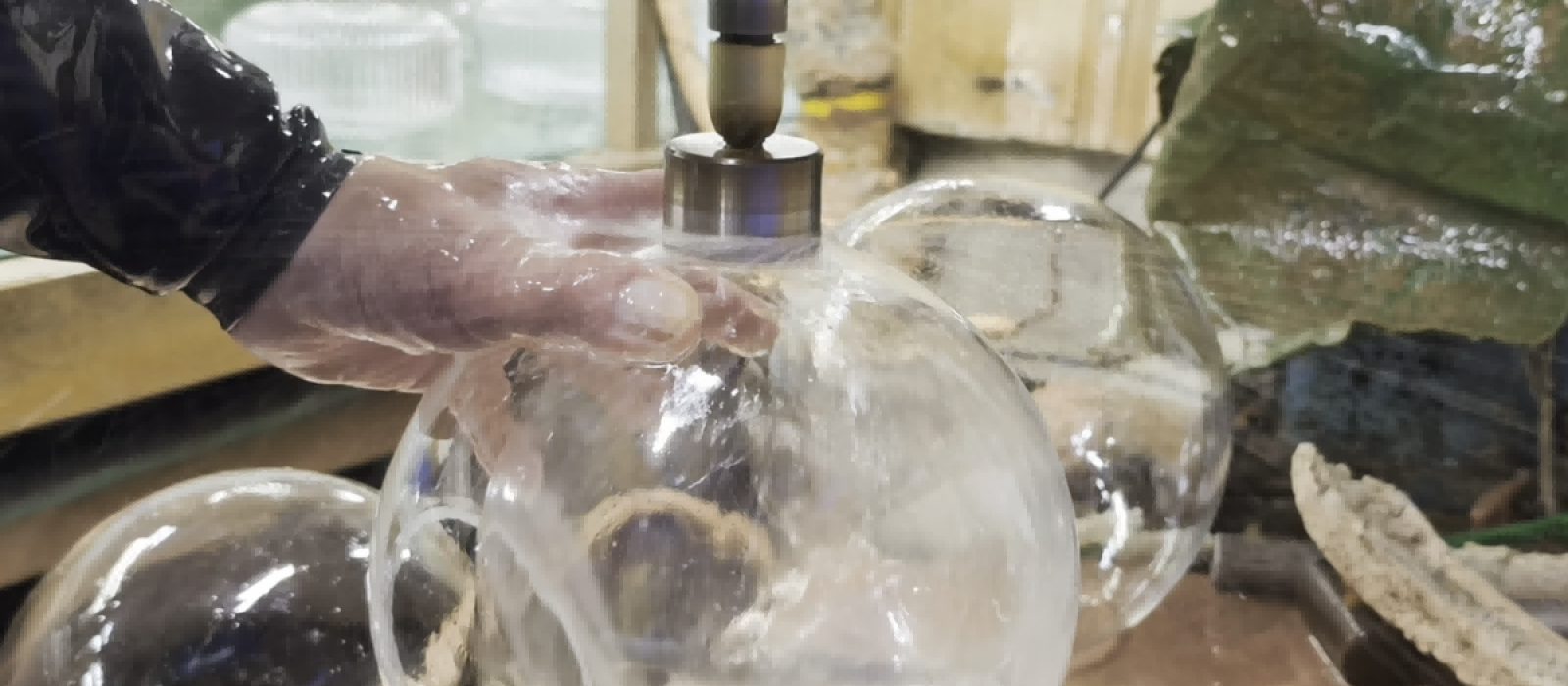
Hole size, location, edge distance and finish are reviewed for the material, thickness and drawing. The drilling route and acceptance requirements are agreed for the part.
Quality inspection and packaging
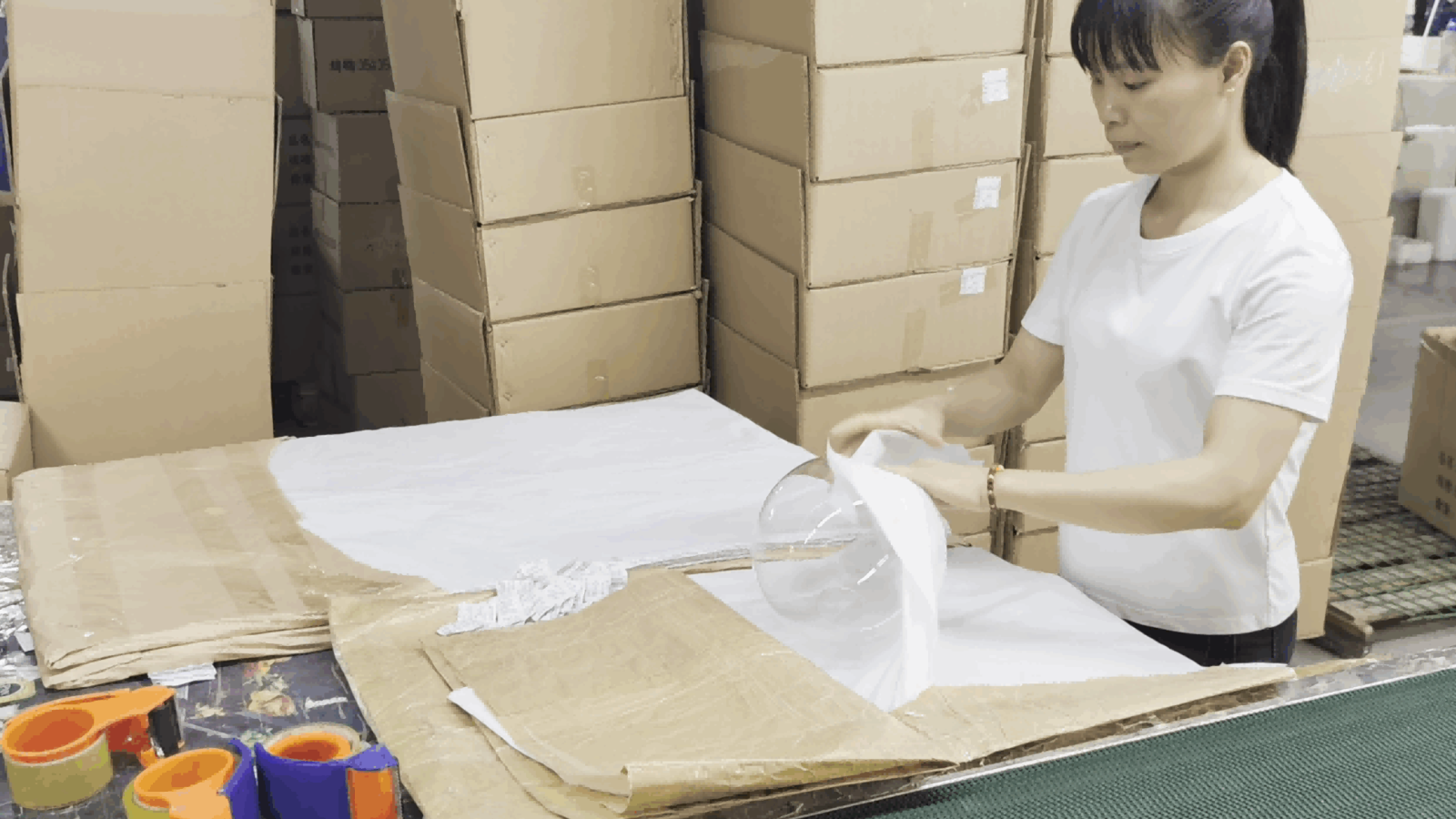
Our team of highly-trained packaging specialists will expertly craft premium-quality packaging solutions that showcase your products in their most elegant light.
Order Process
Talk With US
BO-GLASS provides custom glass fabrication from prototypes to volume production, with solutions tailored to your specifications.
- Free quotes and design consultations
- Request product information from our team
- Worry-free returns
- OEM&ODM
- Responsive Support
- Rapid Production
- Low MOQ
SEND US AN EMAIL
sales@bo-glass.com