
LED Lighting Glass lens
Your Reliable Glass Fabrication Solutions Expert
Custom Glass Fabrication Is Our Hallmark of Success
Check out some of the custom glass products we’ve made.


LL001-Motorcycle lens


LL002-Motorcycle lens


LL003-Curved cylindrical glass lens


LL004-Rectangular cylindrical glass lens
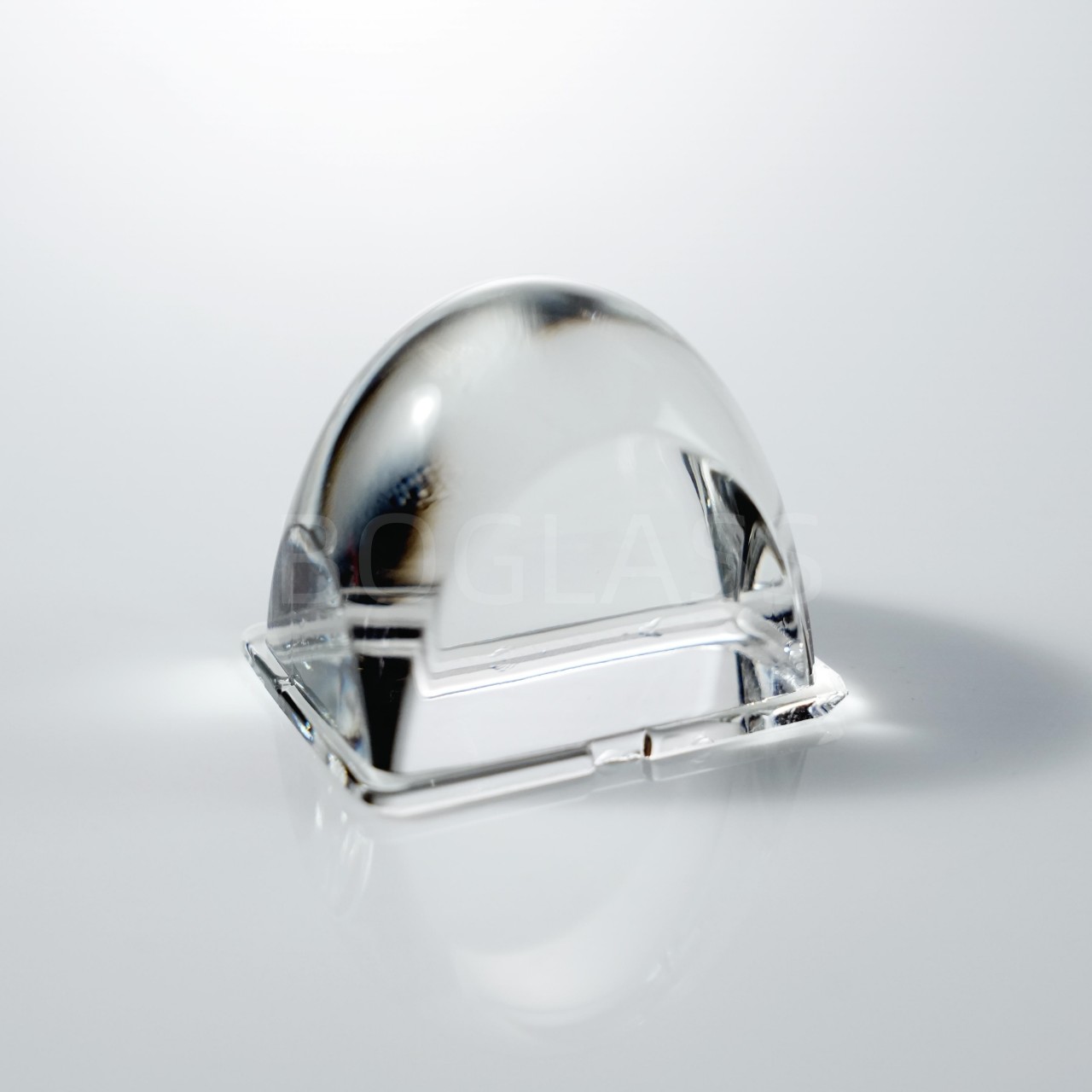
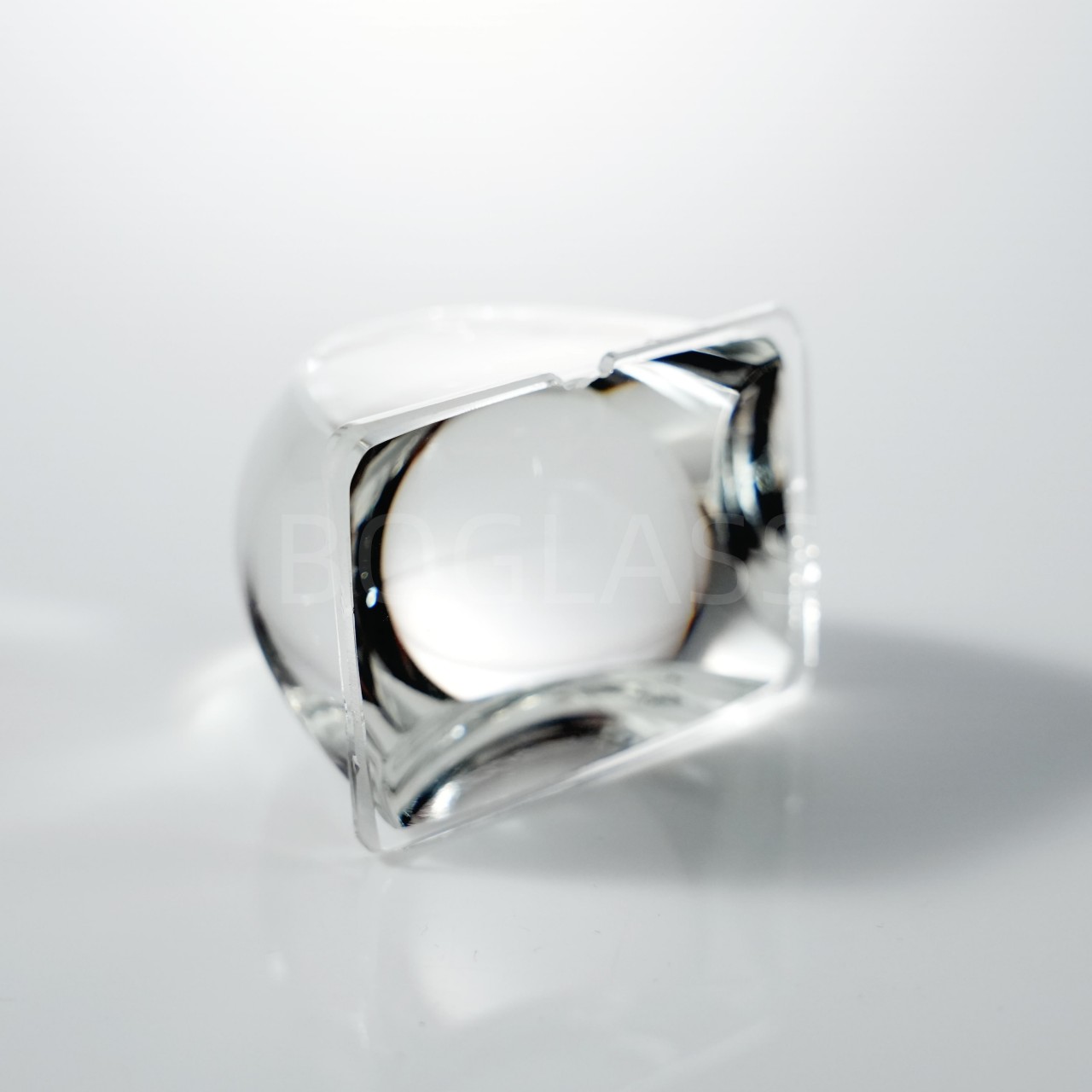
LL005-Motorcycle lens
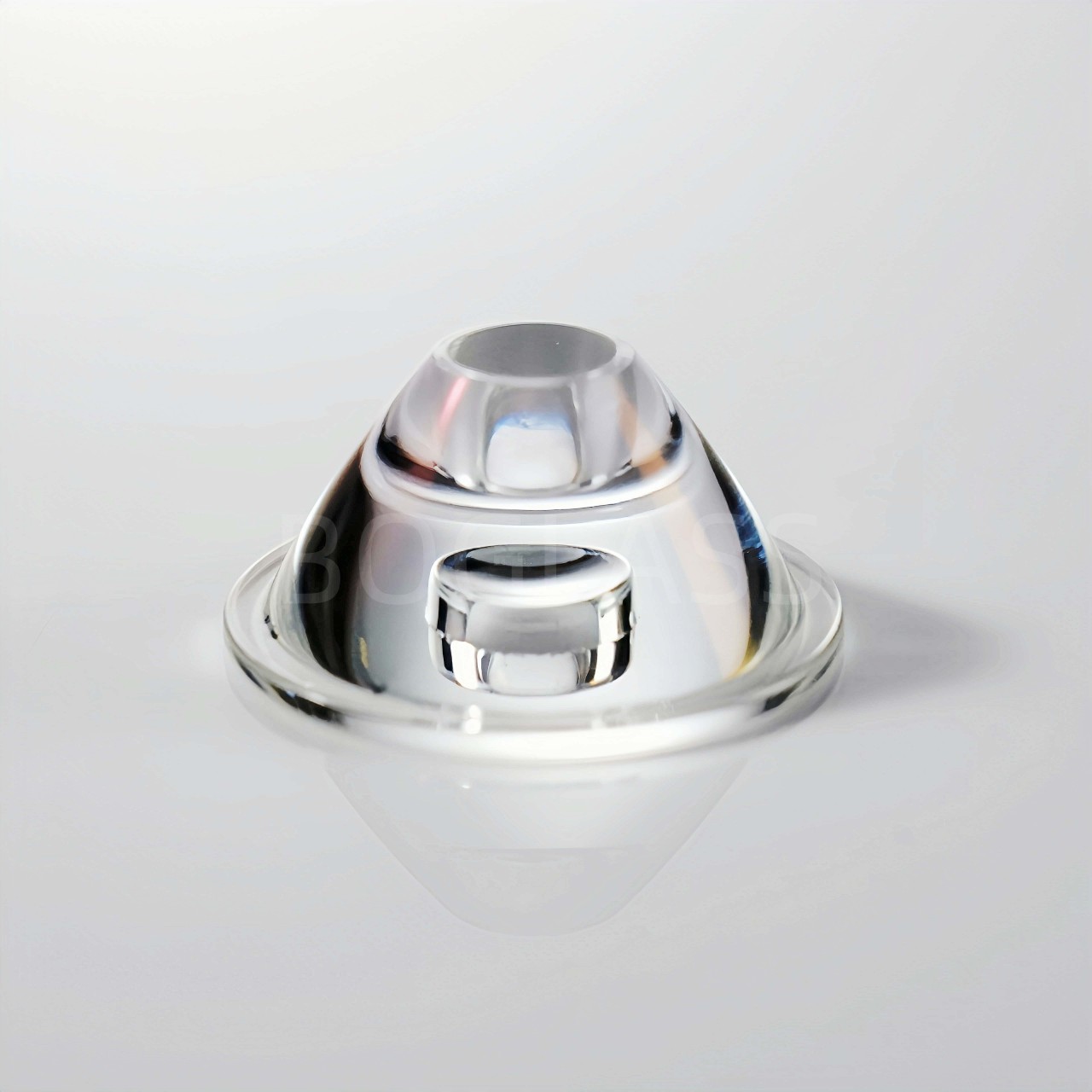
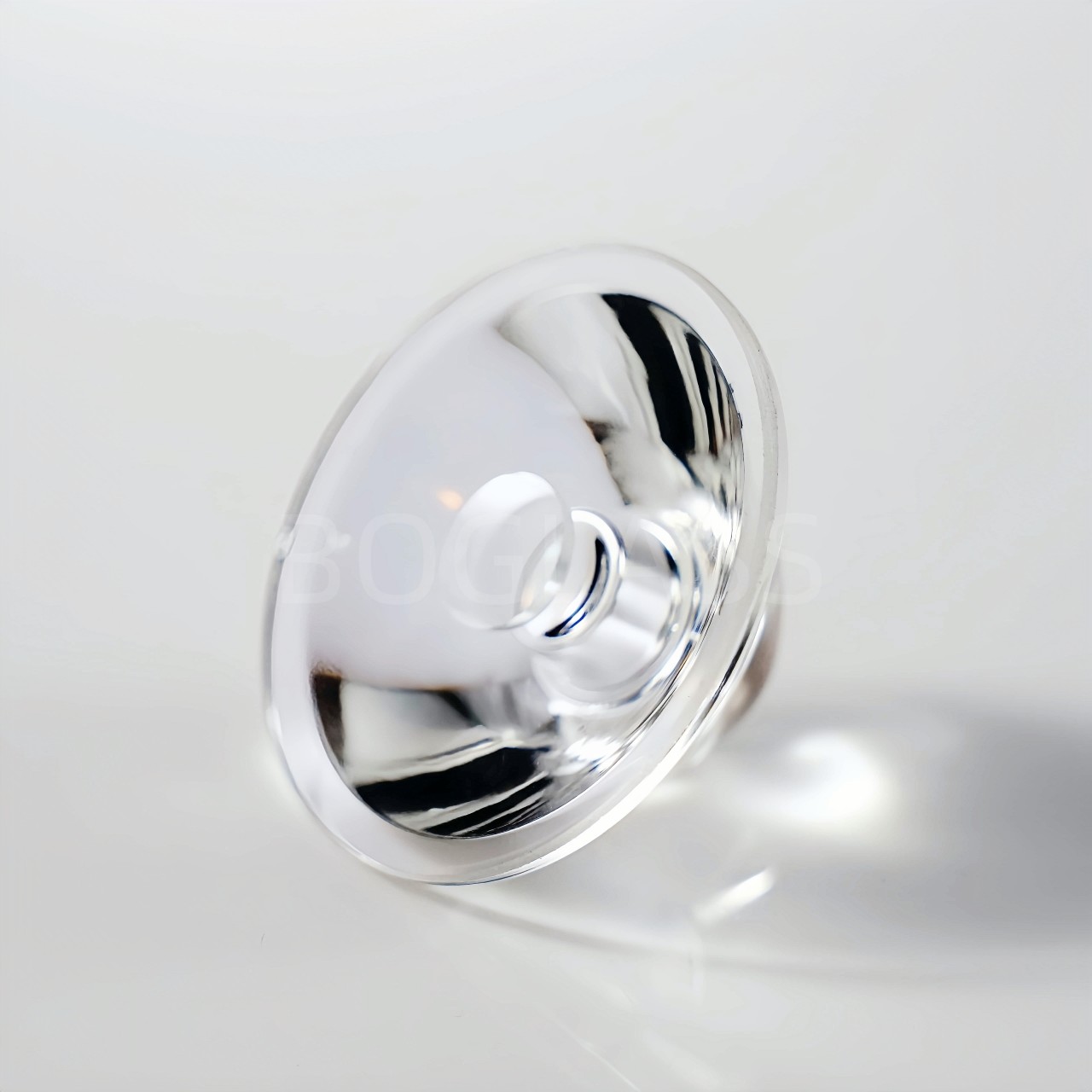
LL006-TIR Glass Lens
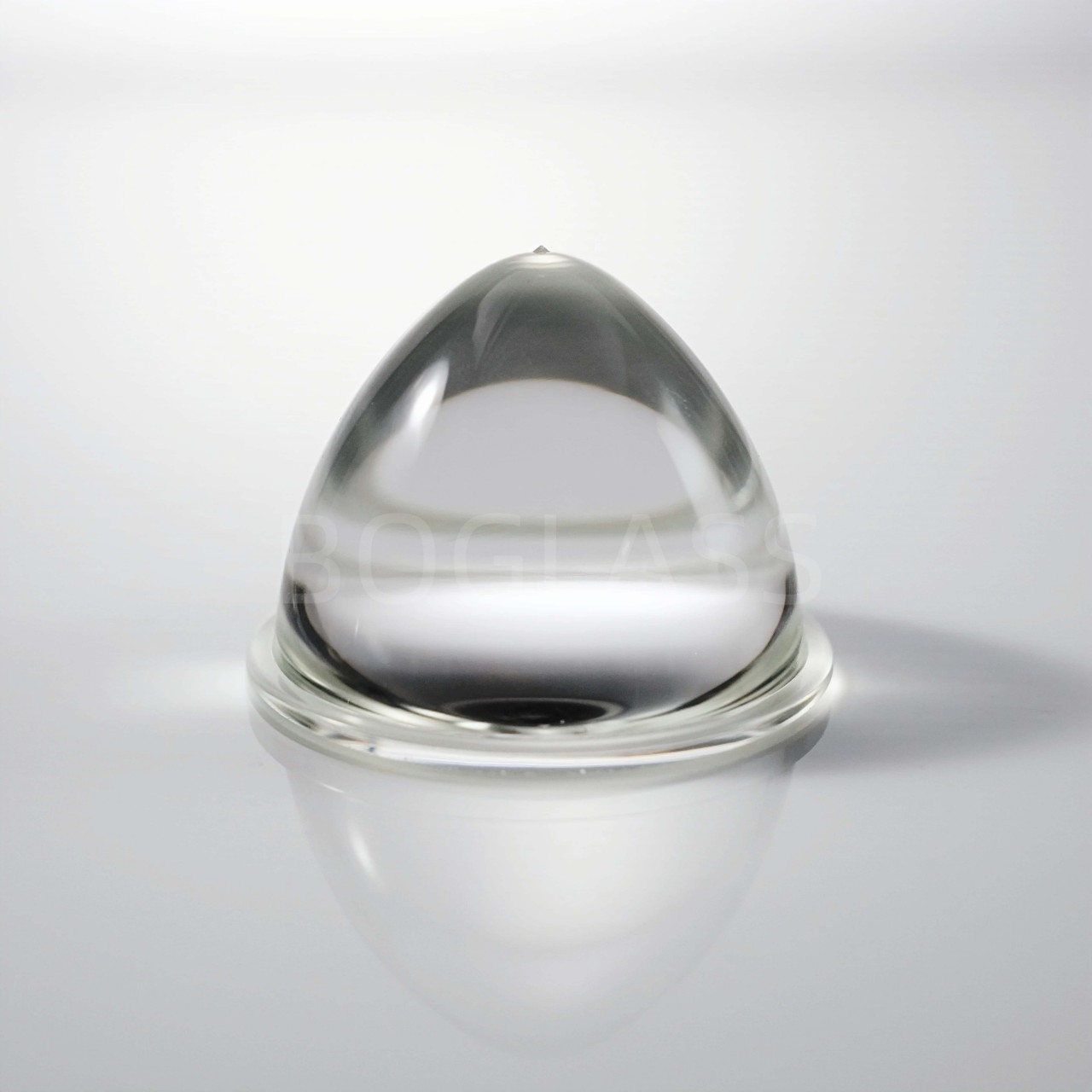
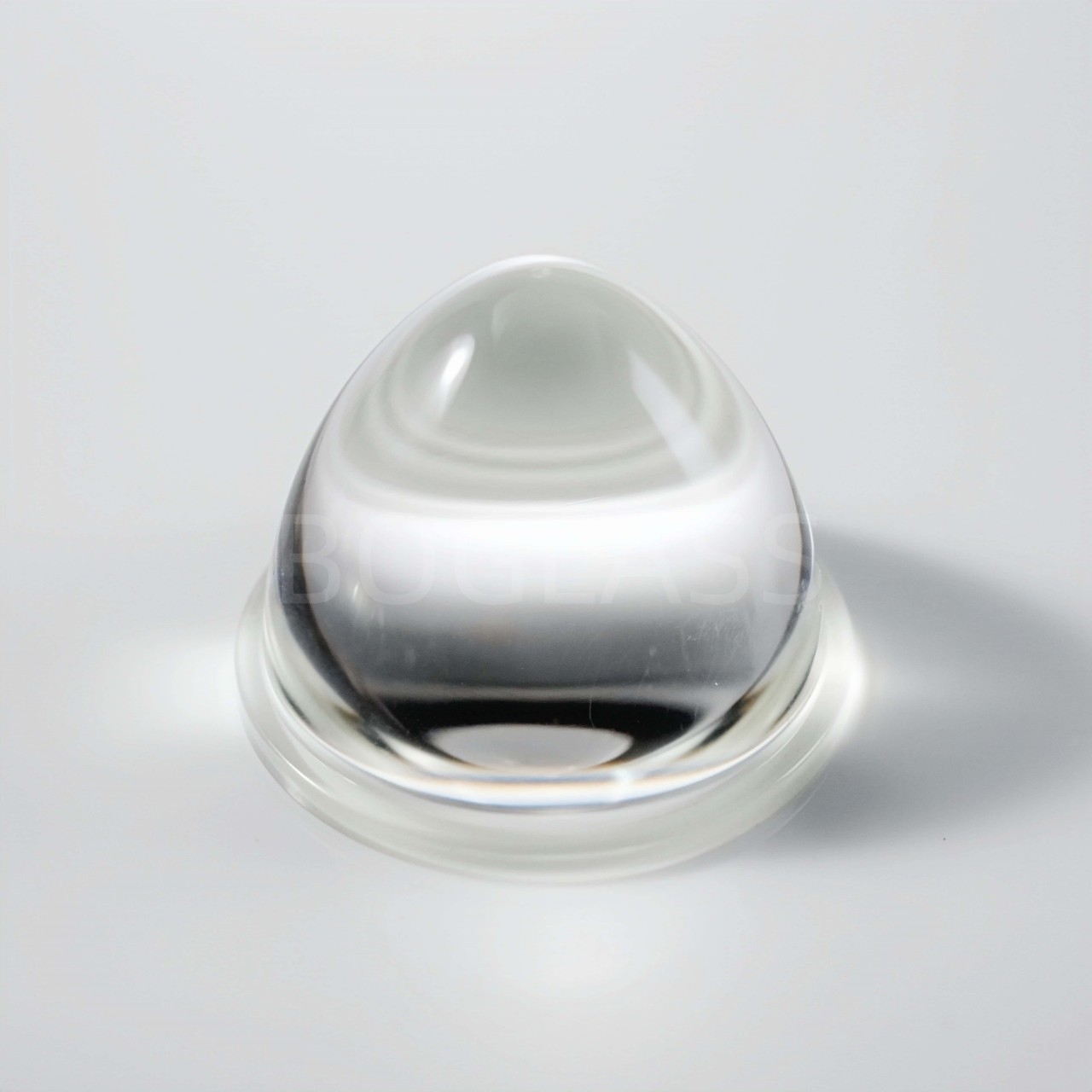
LL007- Mining lamp glass lens
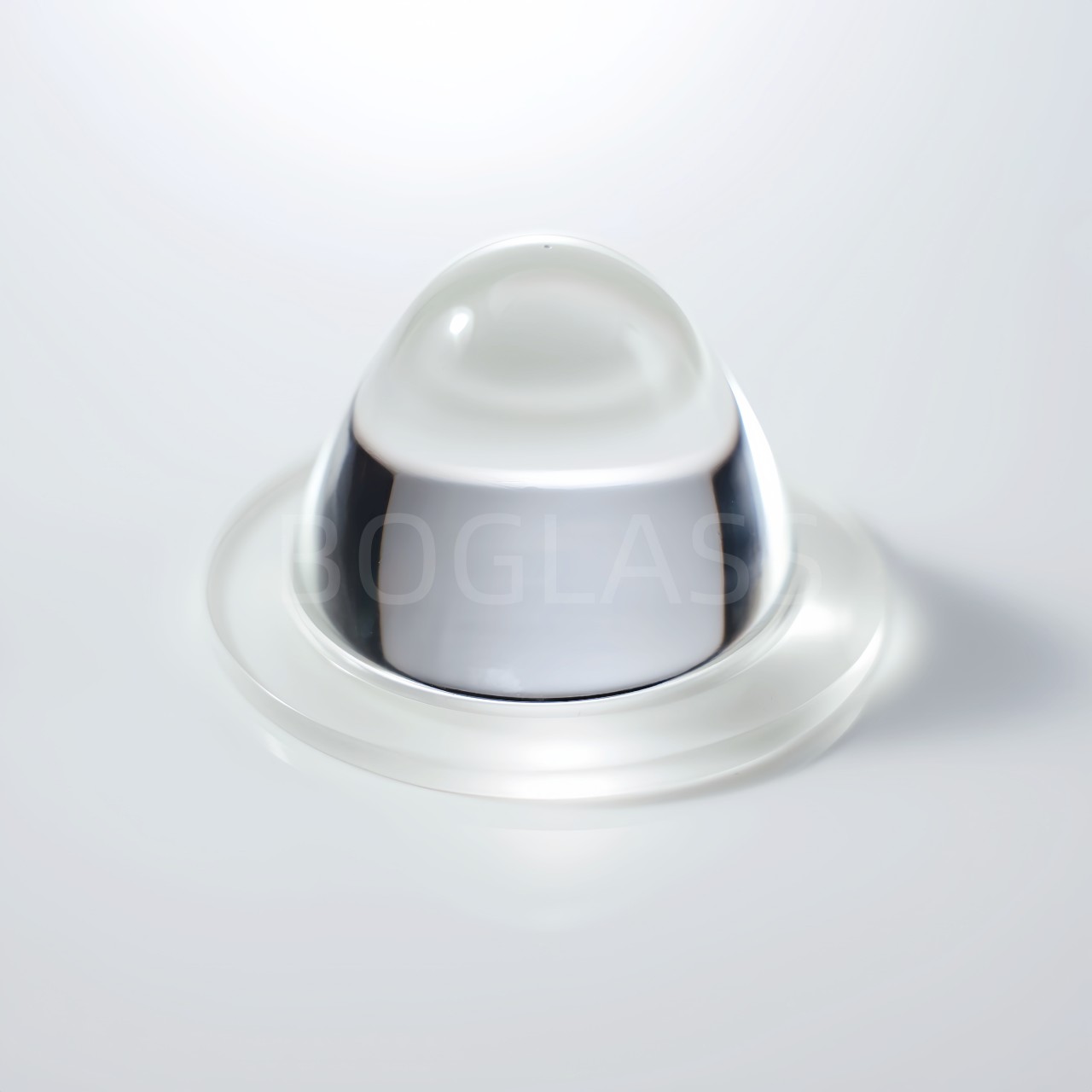
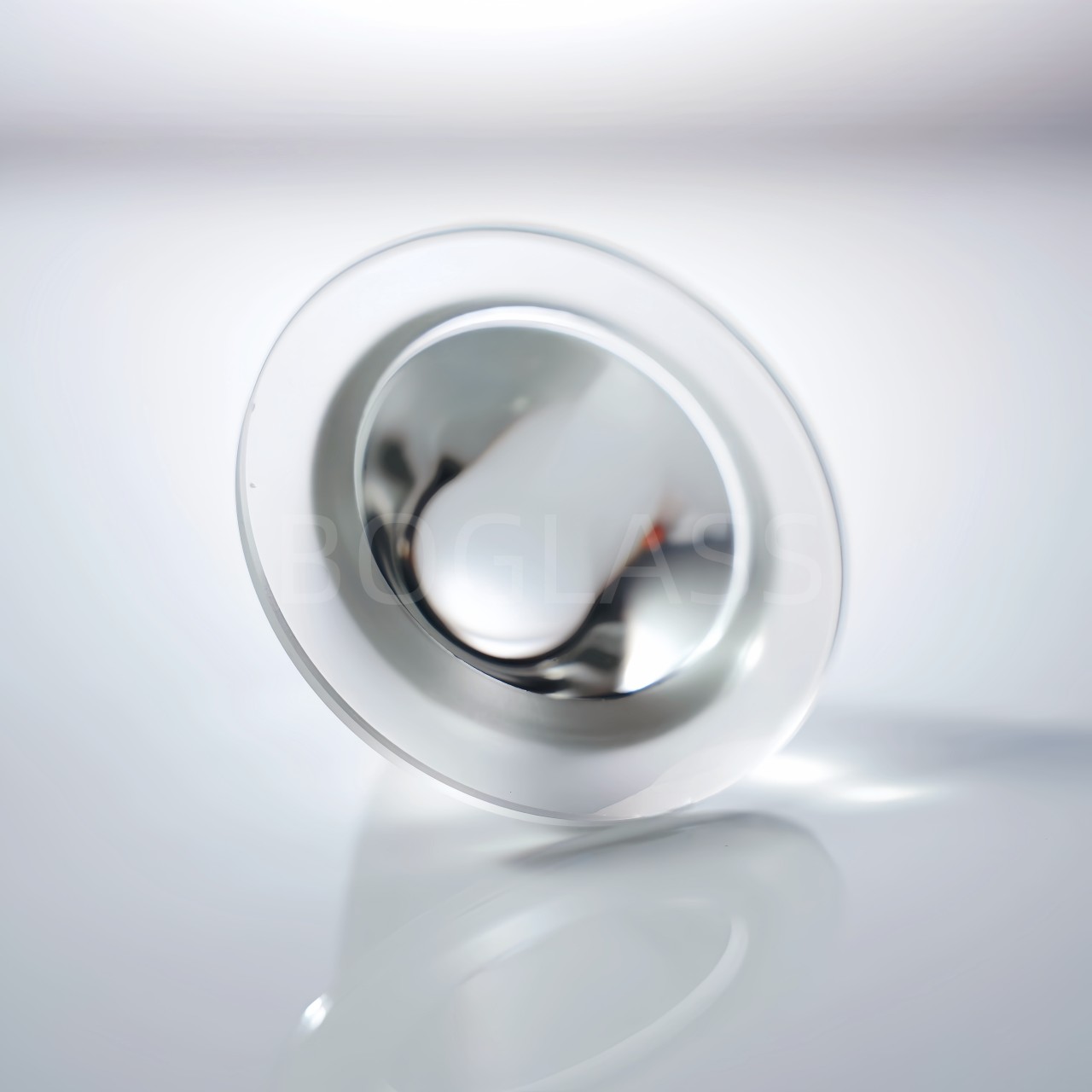
LL008- Mining lamp glass lens
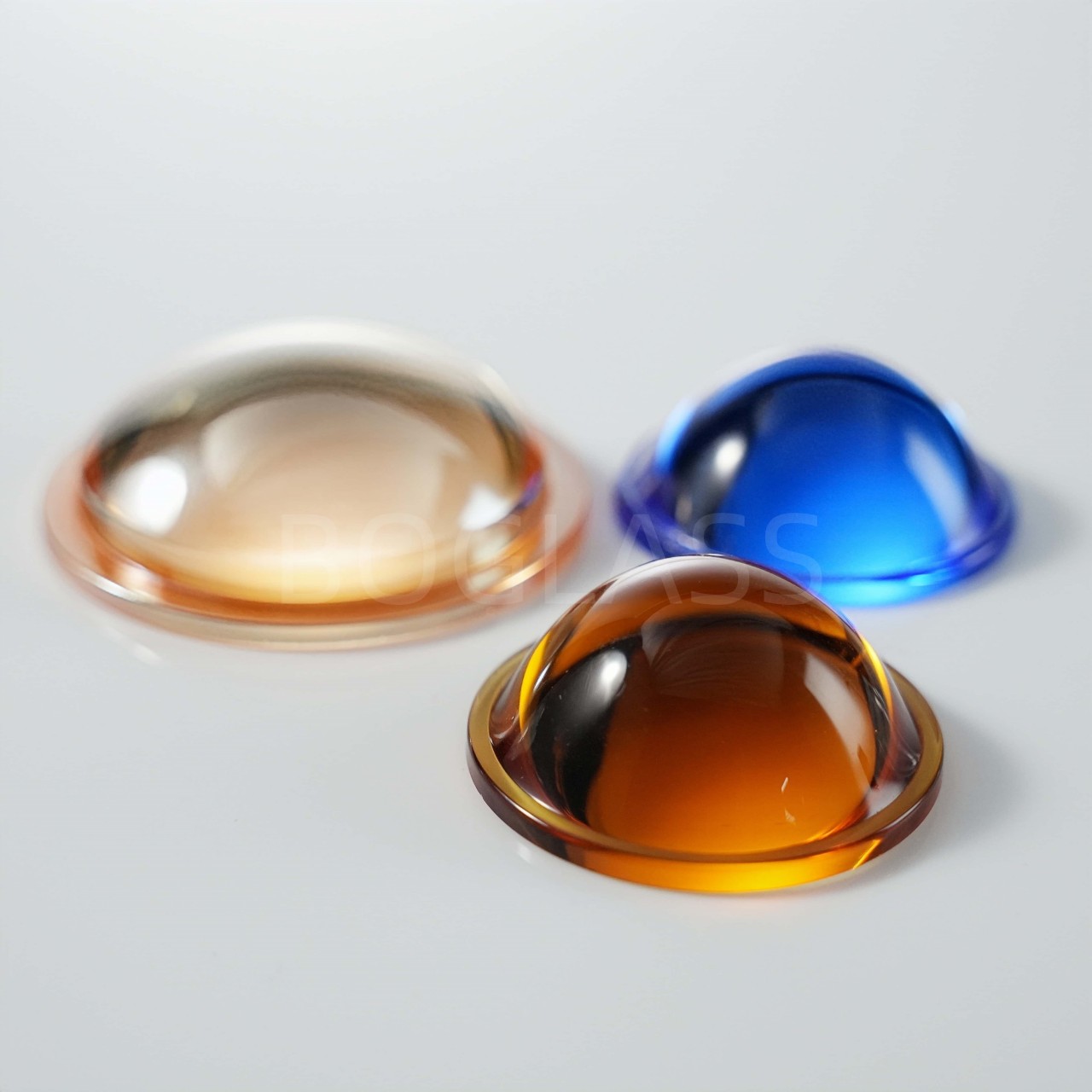
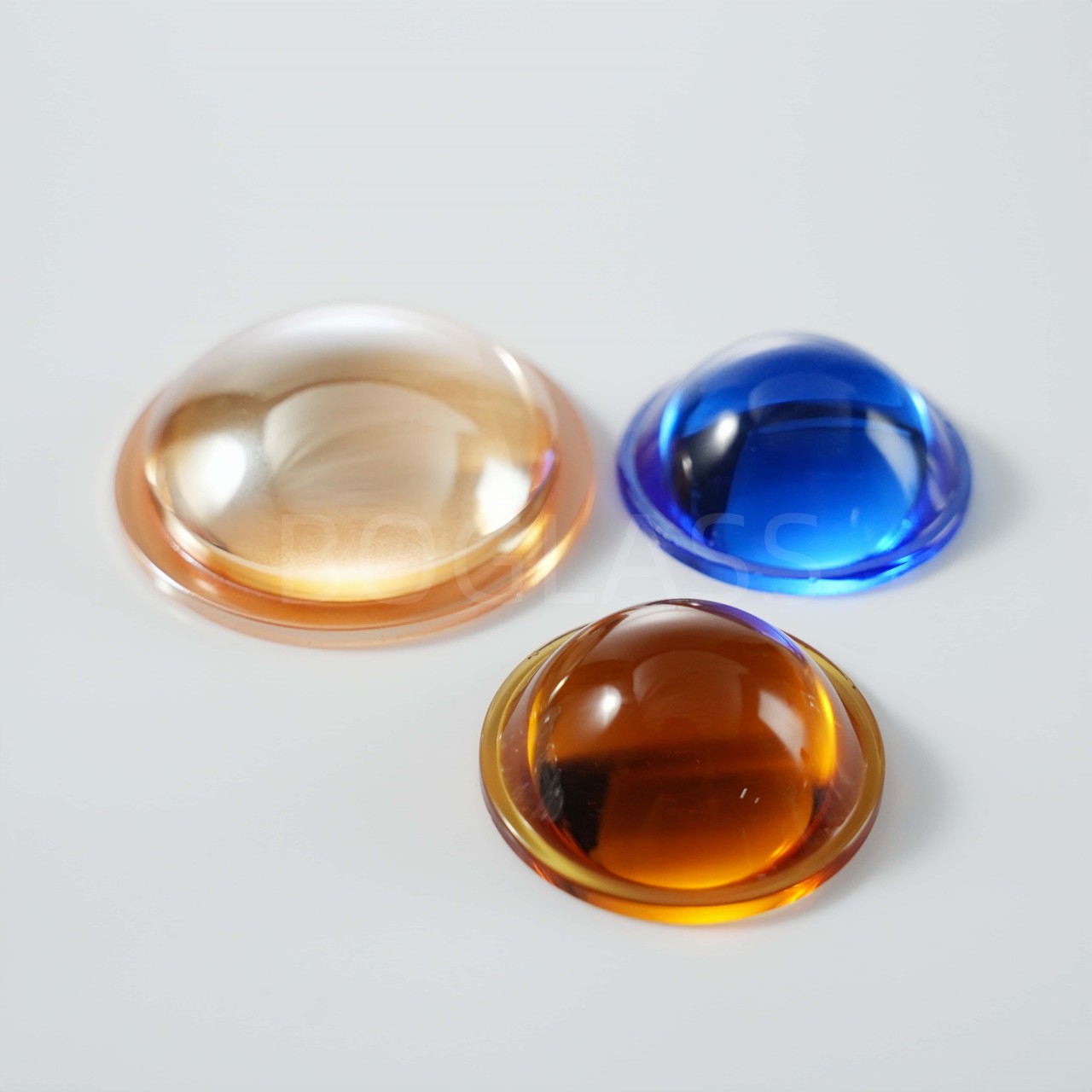
LL009-Colored LED Lens
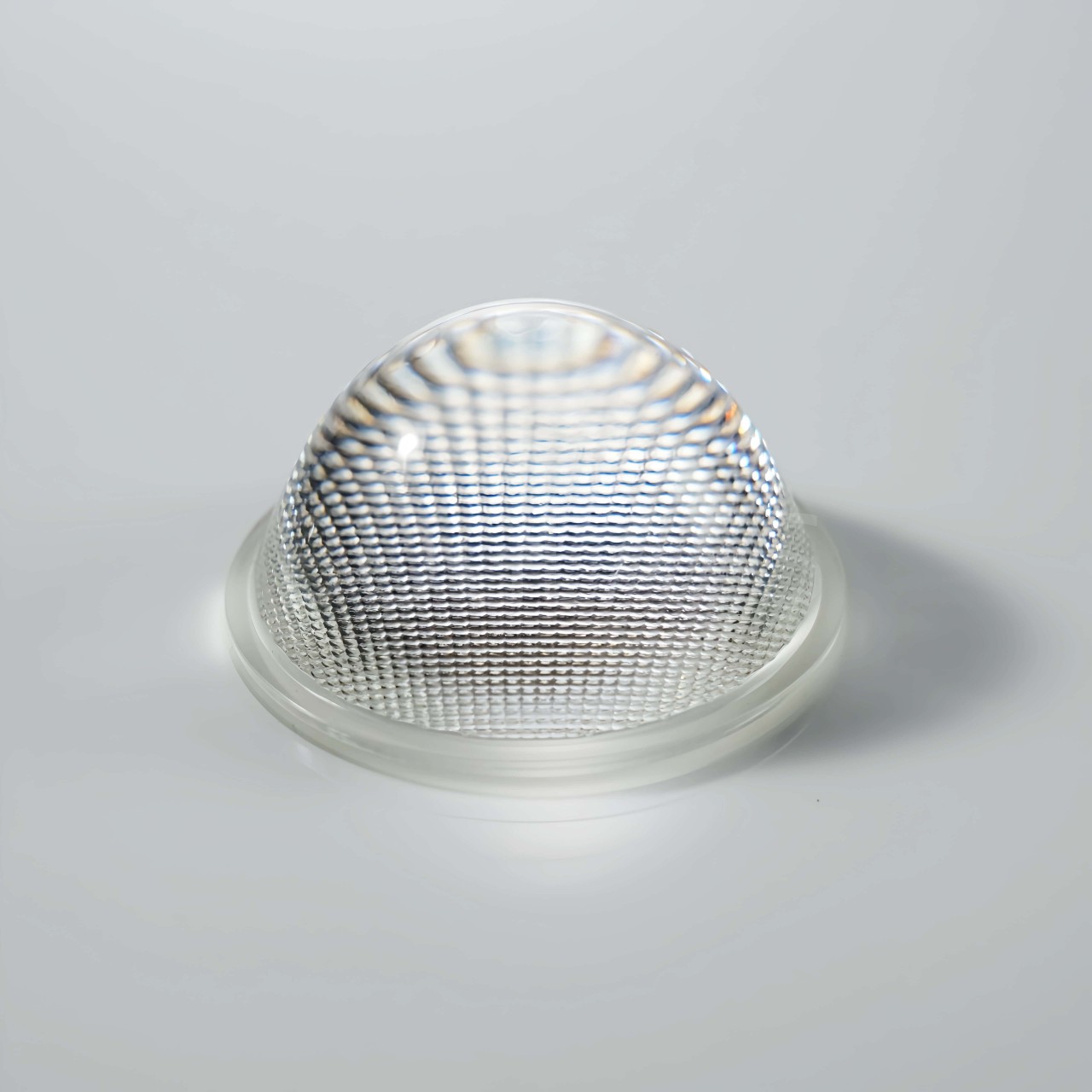
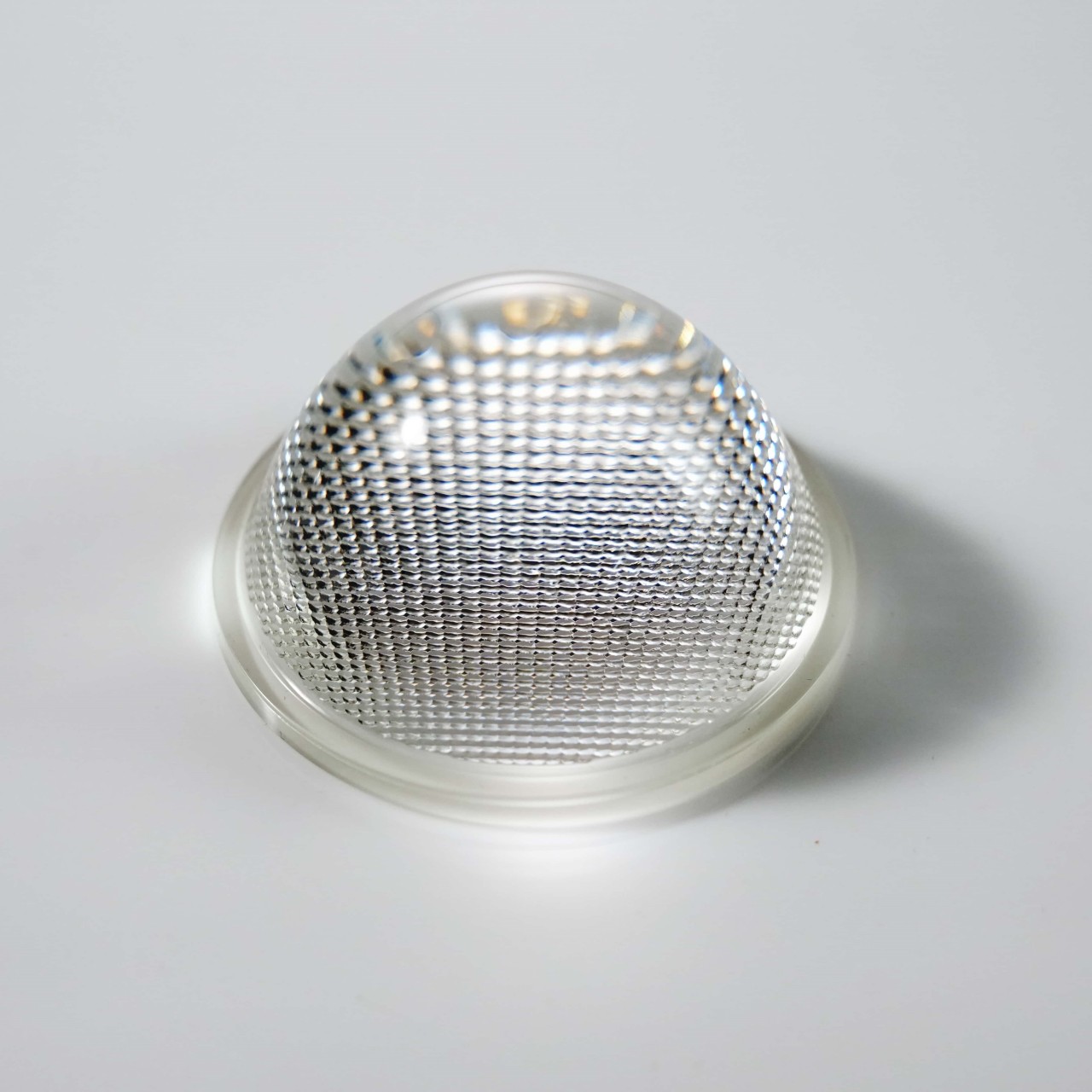
LL010- Lattice pattern LED lens anti-glare
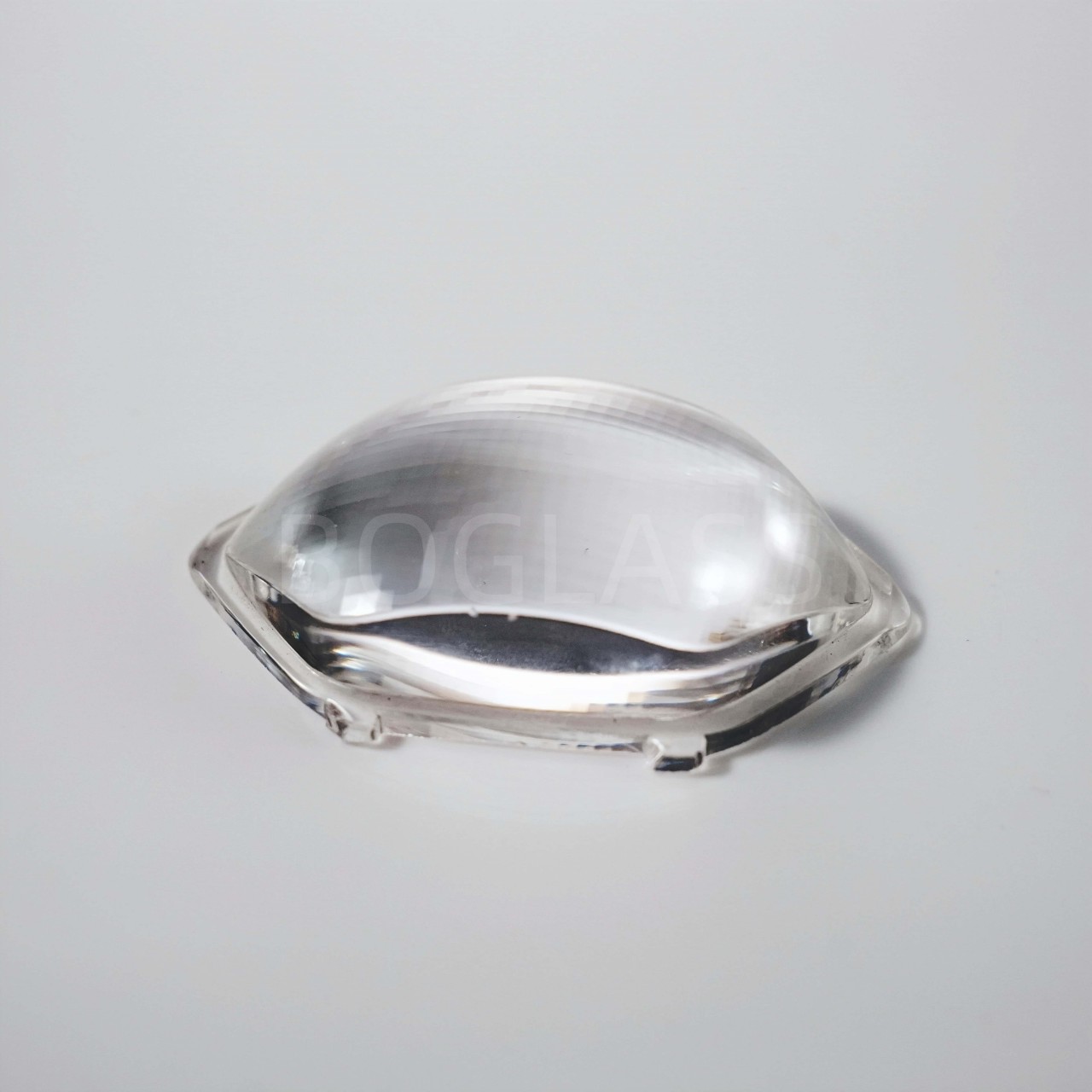
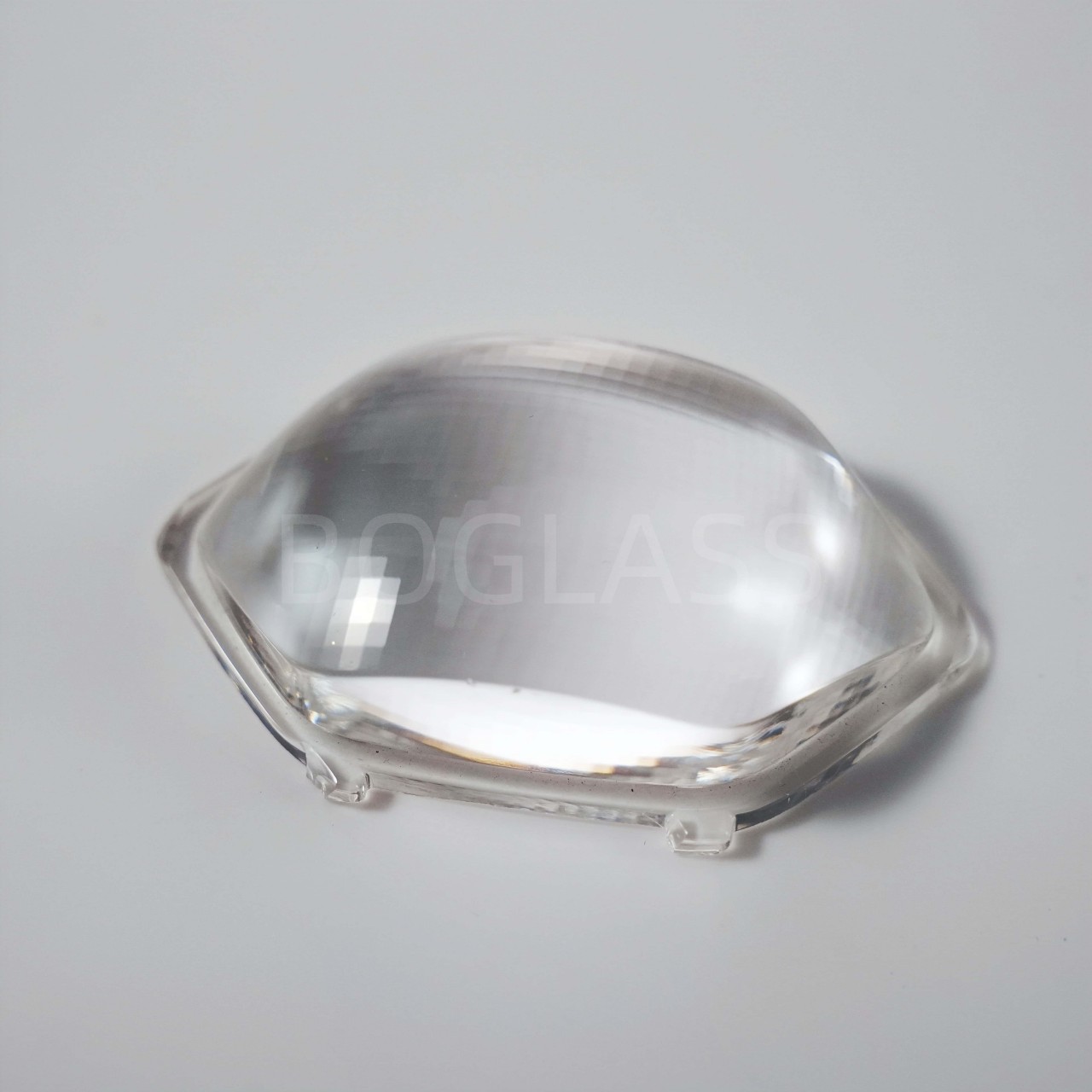
LL011-Customized Shape Lens
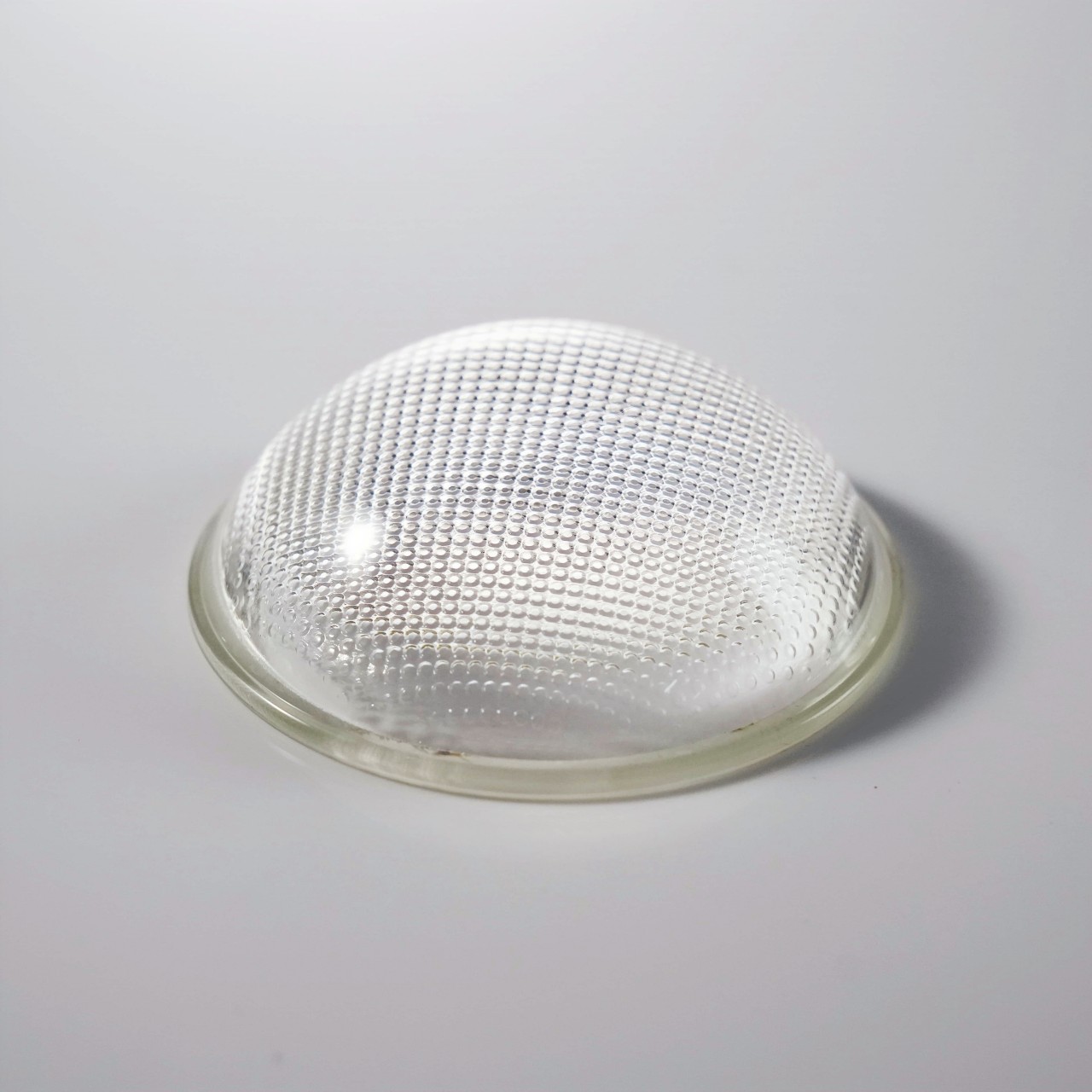
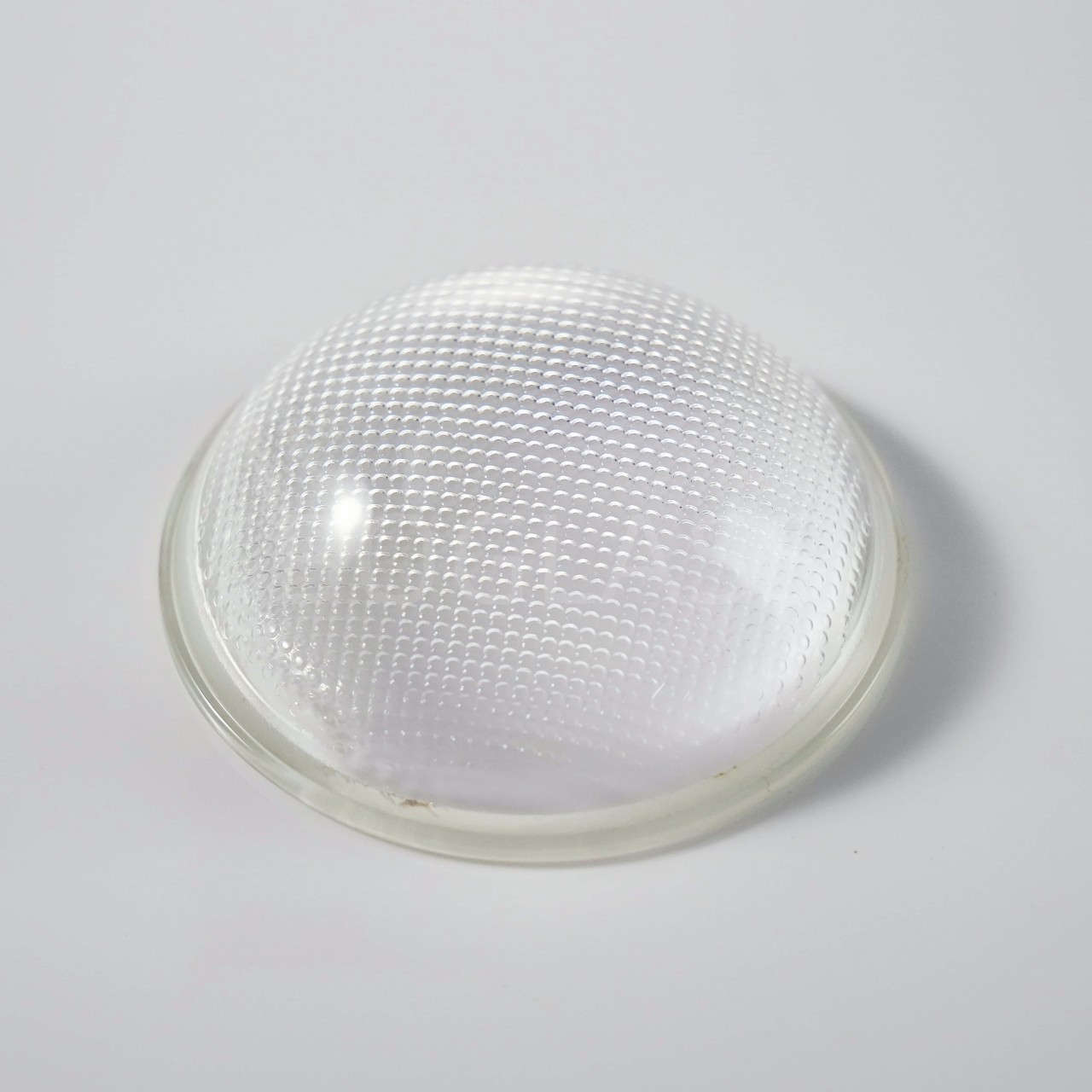
LL012-120° Anti-glare LED lens
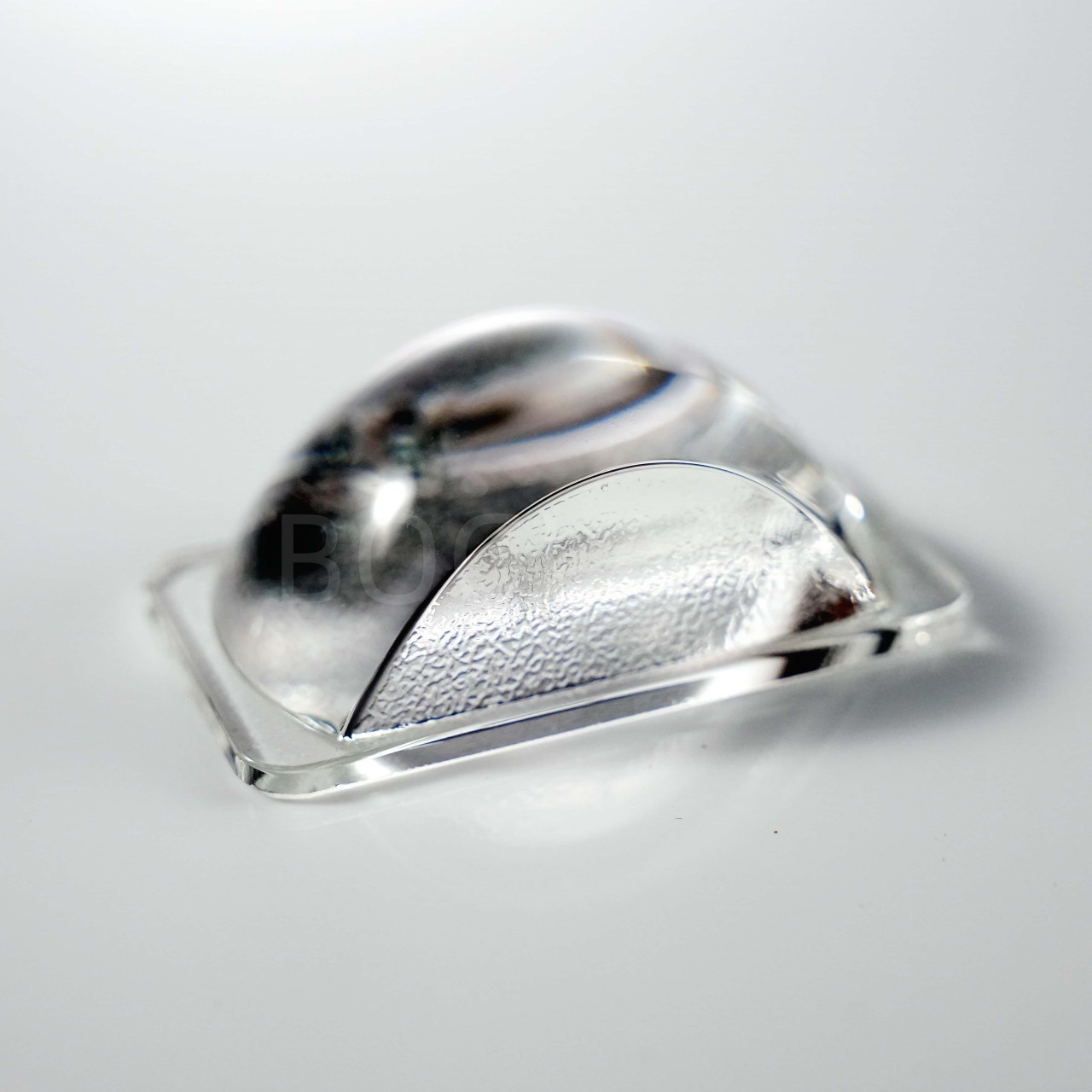
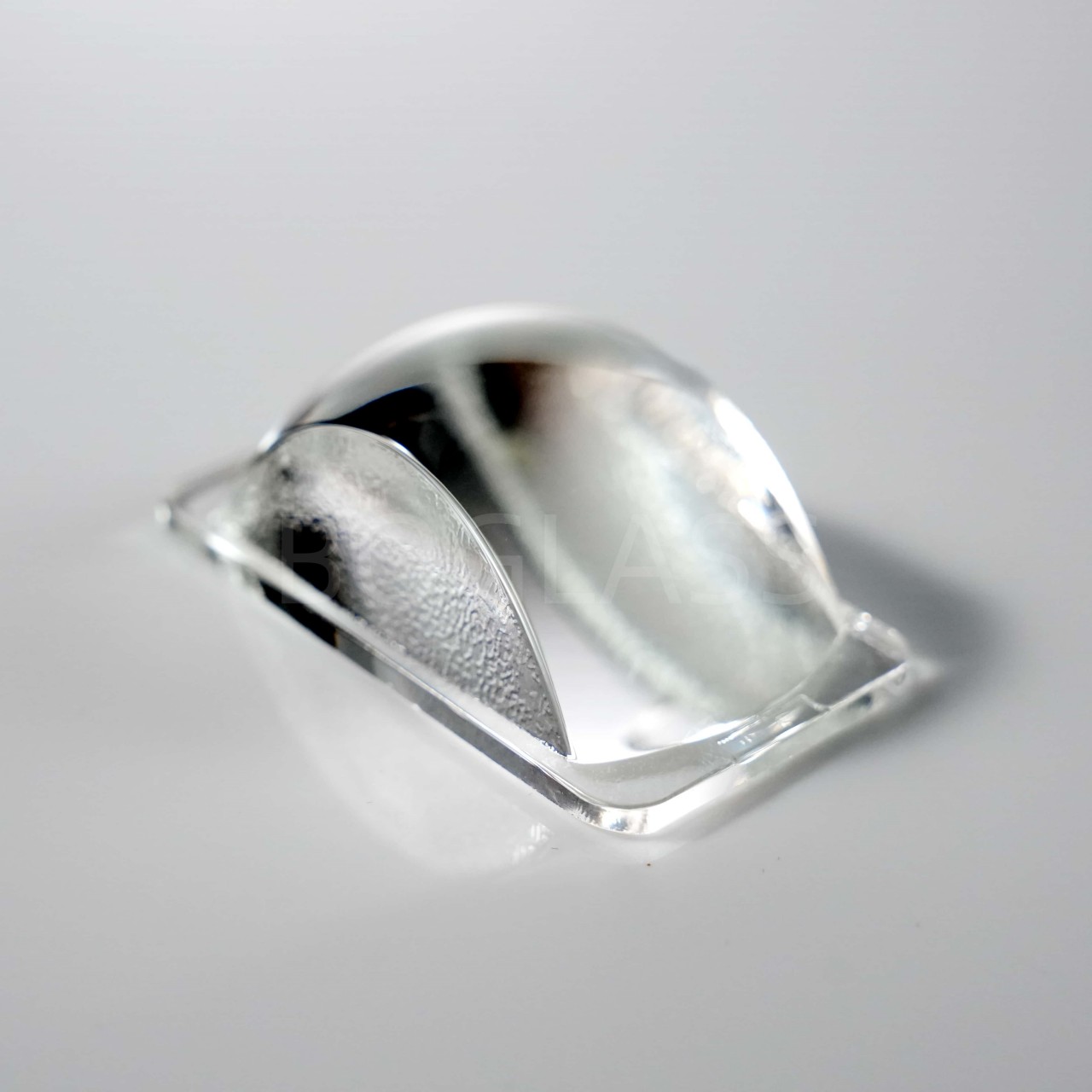
LL0013-Motorcycle lens
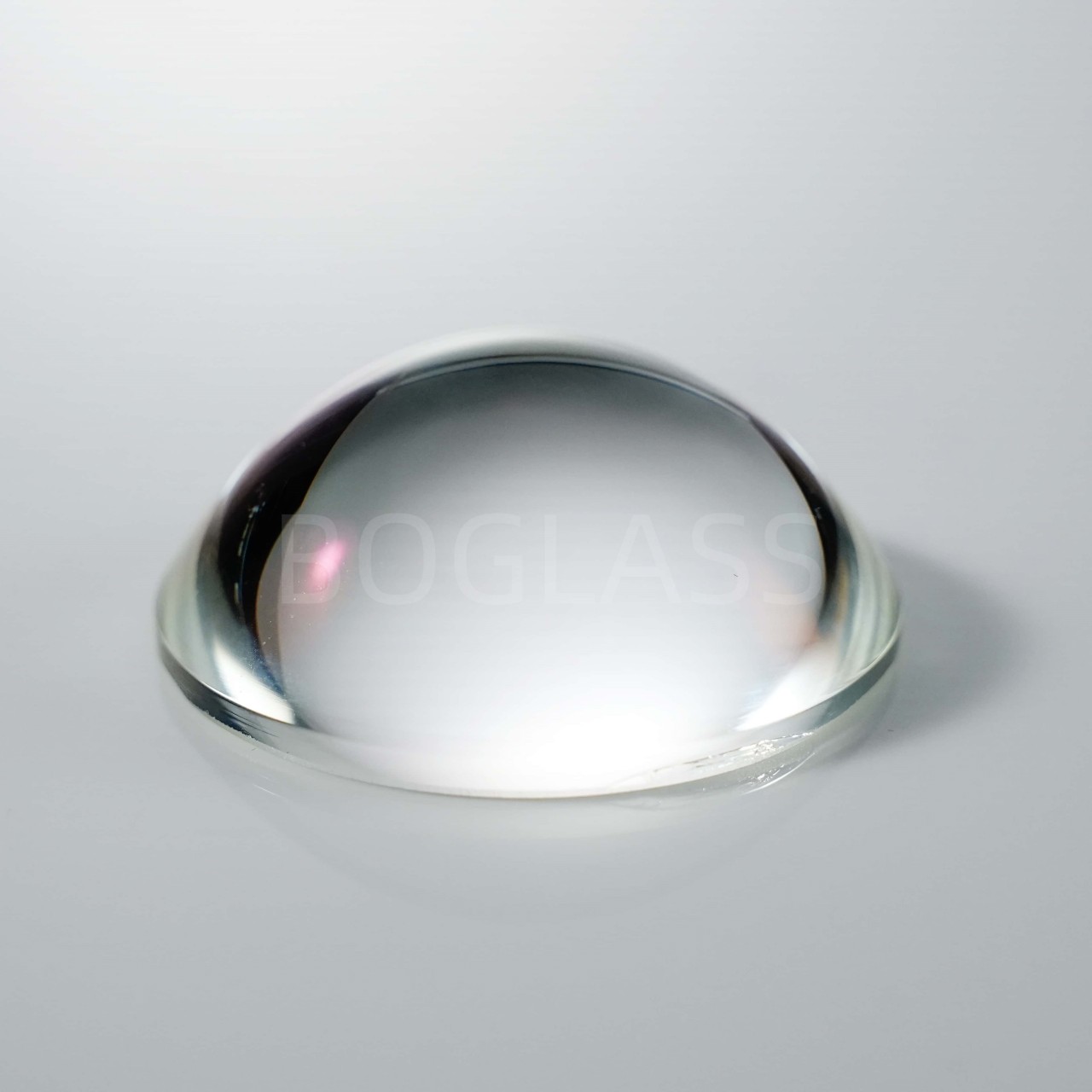
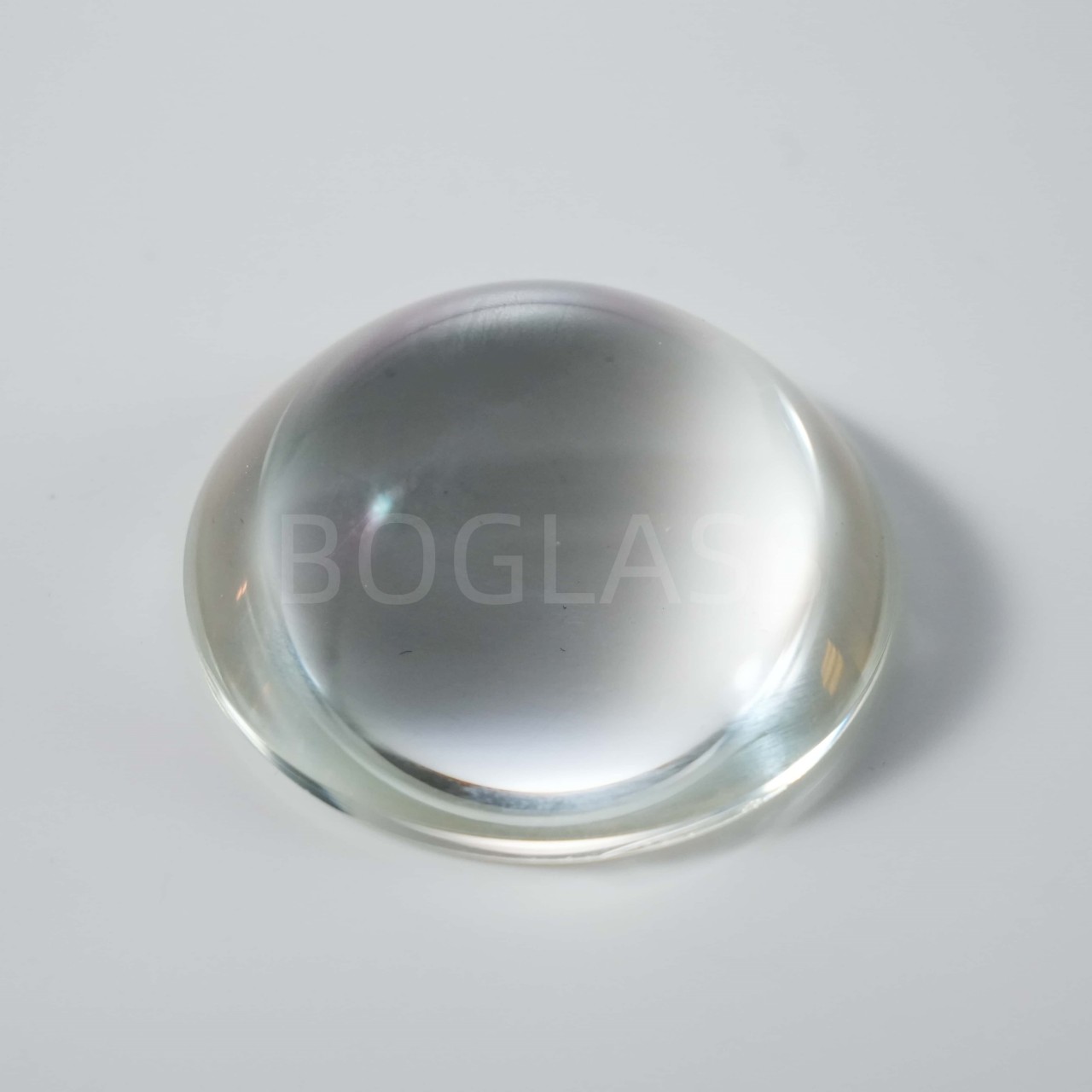
LL014-45° LED lens with AR COATING
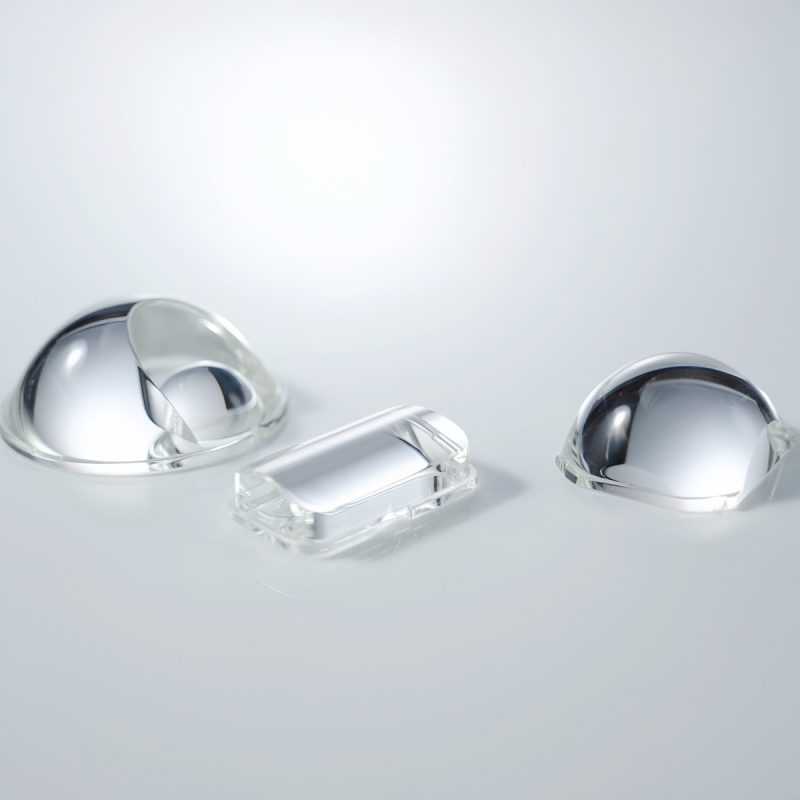
LL015- LED Lens
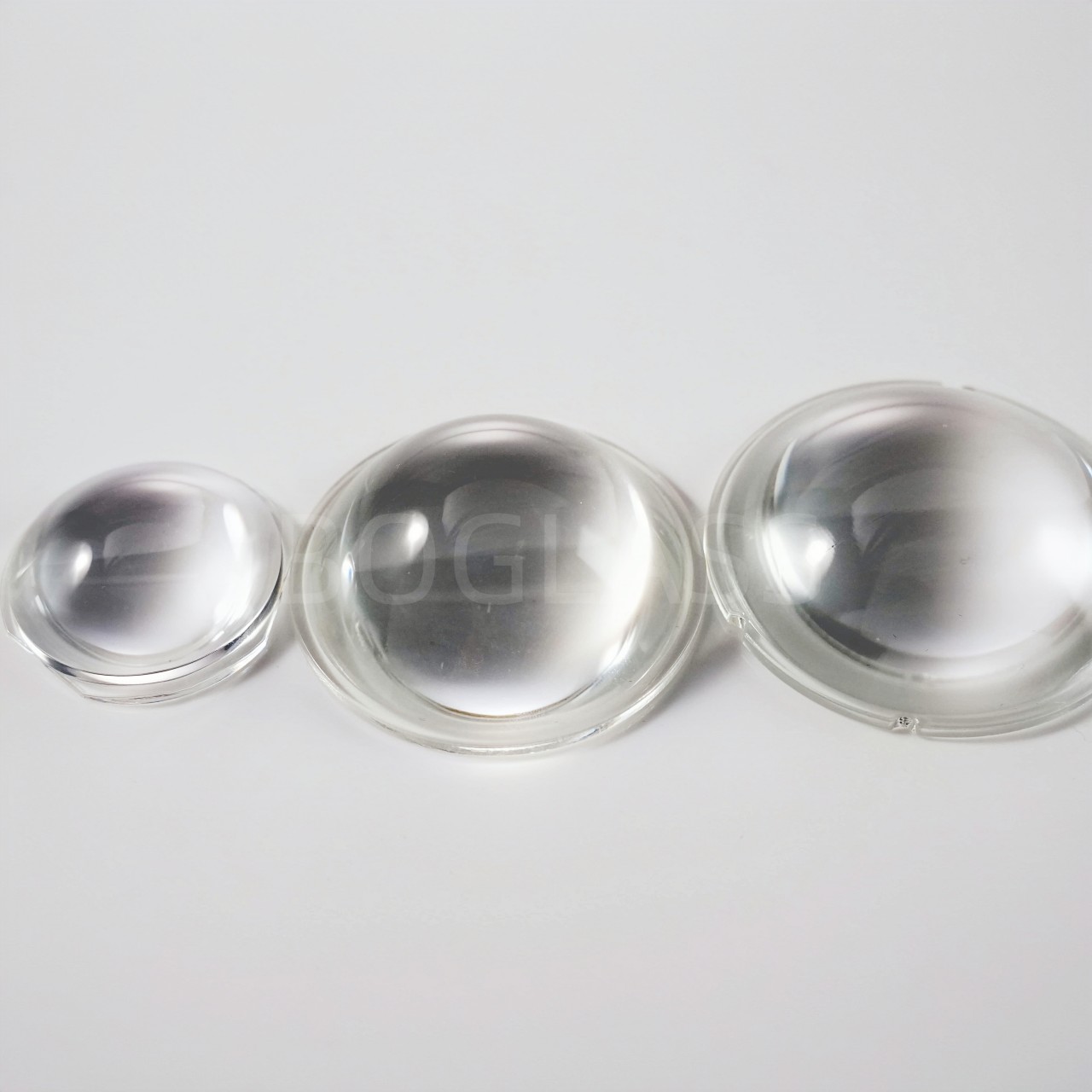
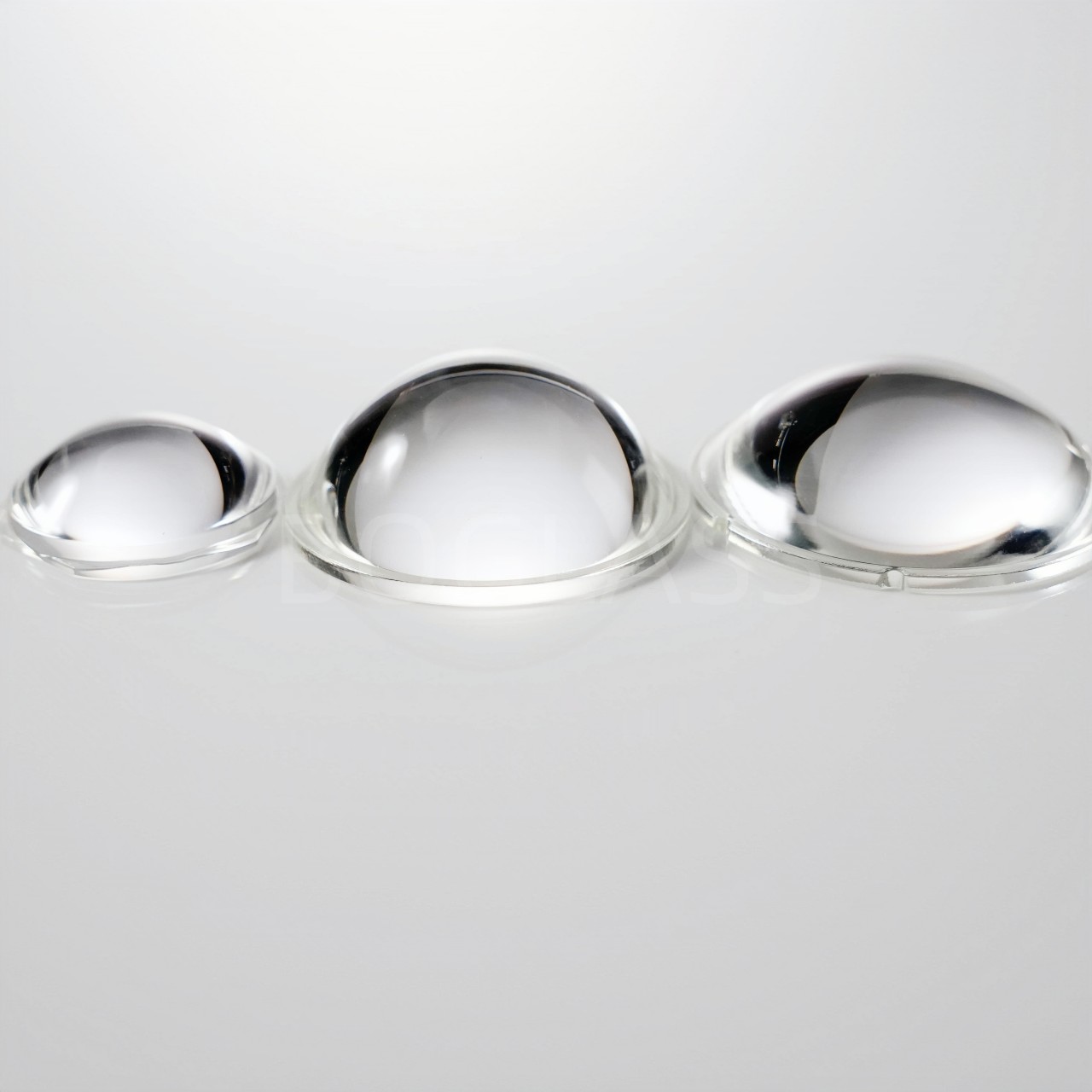
LL016- LED Lens
Our production process
BO-GLASS specializes in customized glass molding services, offering end-to-end solutions from prototype development to mass production. Our China-based facility features a 10-ton daily capacity borosilicate glass furnace, in-house tempering ovens with high-pressure air quenching systems for rapid cooling, and comprehensive post-processing equipment including precision cutting, polishing, and grinding. We deliver high-quality glass components of any size or complexity, supported by expert technical guidance, optimized production workflows, and seamless design-to-manufacture transitions, ensuring efficient project execution with competitive pricing and tailored engineering solutions.
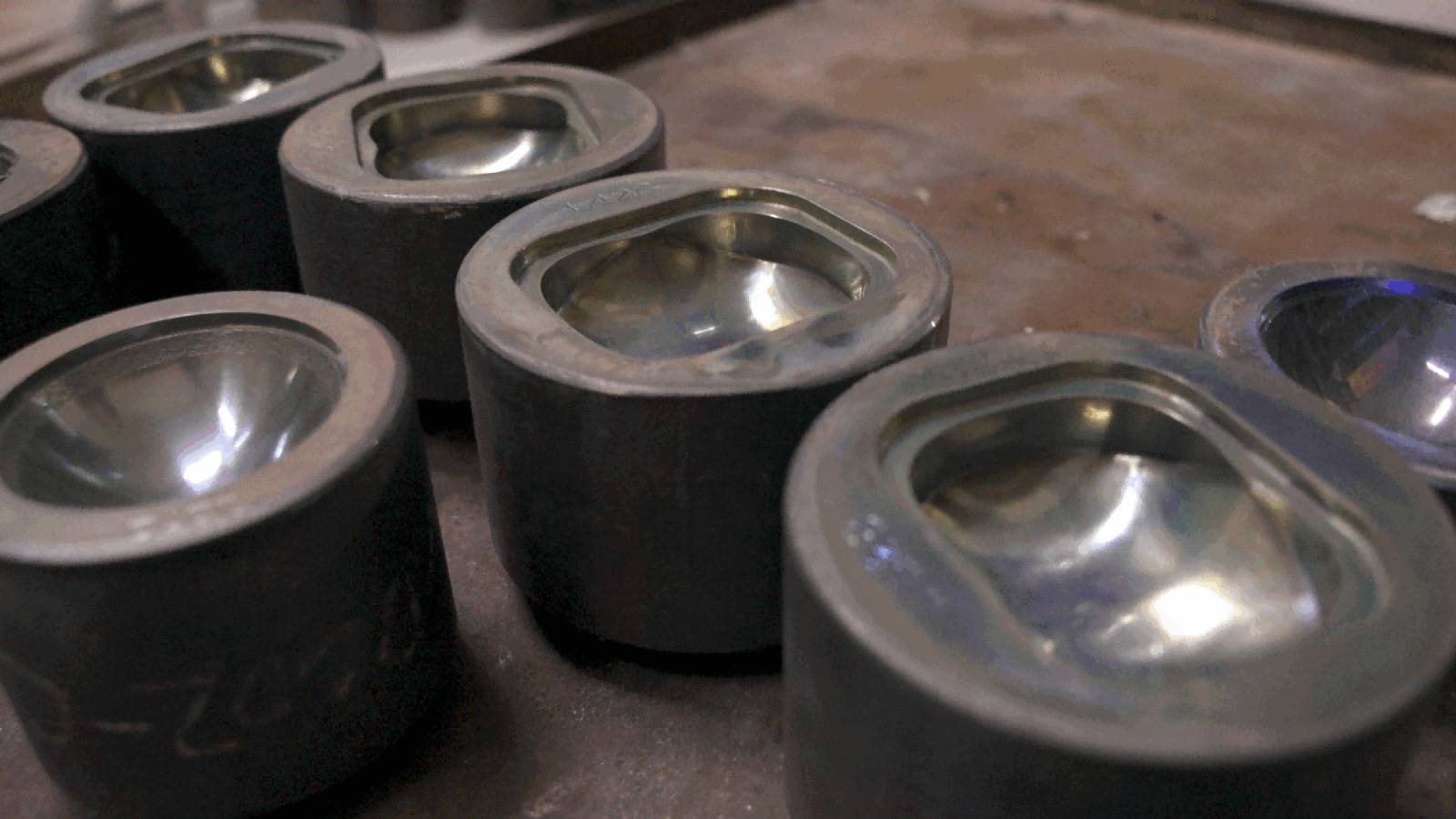
Mold pretreatment
Mold cleaning Soak the graphite mold in anhydrous ethanol for 10 minutes, ultrasonically clean for 5 minutes, and blow dry with compressed air. Use a spray gun to evenly spray boron nitride suspension (BN: ethanol = 1:10), and dry at 80°C for 1 hour to form a 20μm isolation layer.
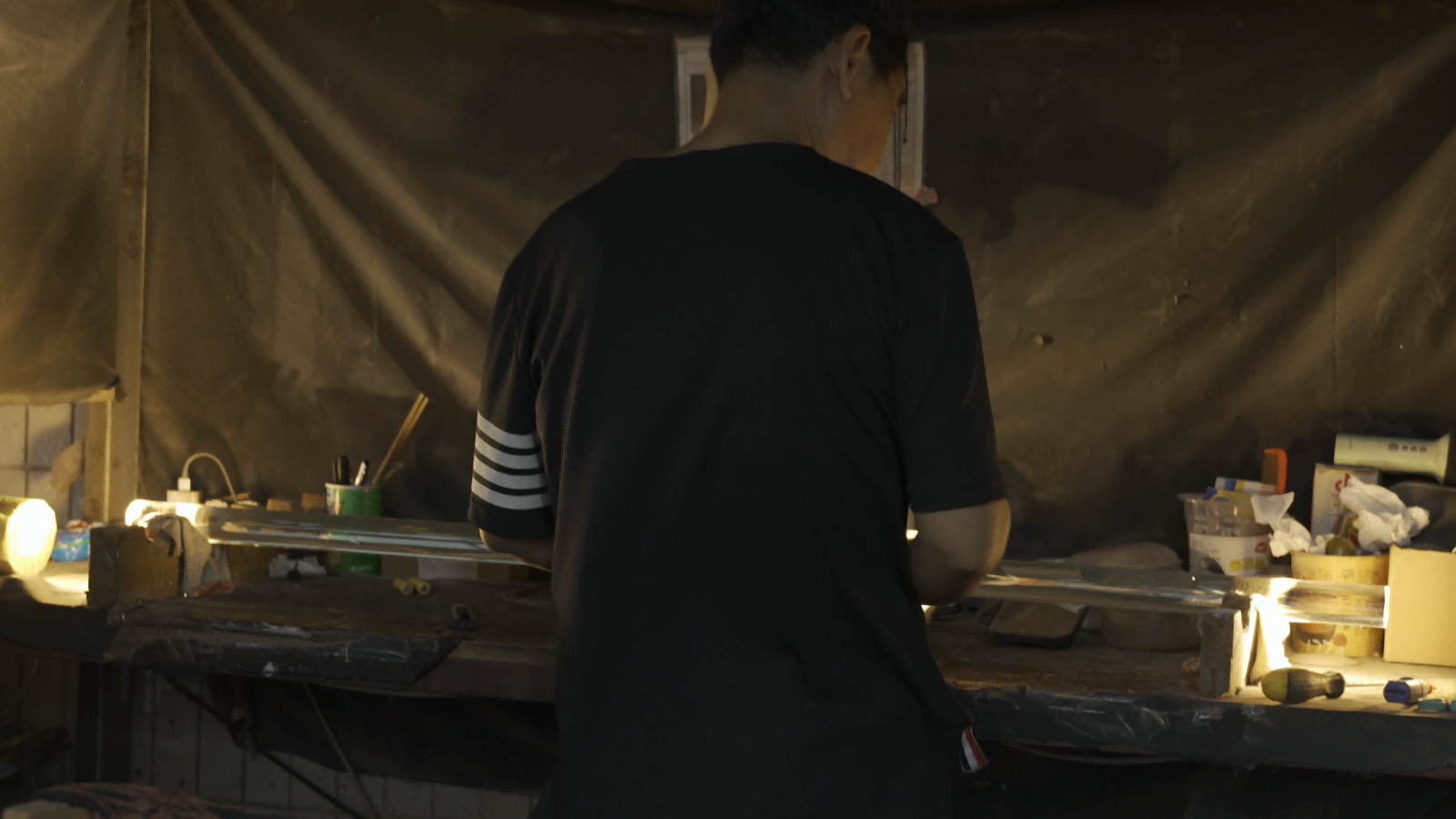
Light transmission detection screening
Place the glass rod vertically in front of the light source and rotate 360° to observe the uniformity of light transmission.Rejection criteria: bubbles > 0.05mm, stones, stripe distortion.Marking and re-cutting: Mark the defective section with an oil pen, and retain the qualified part after cutting.
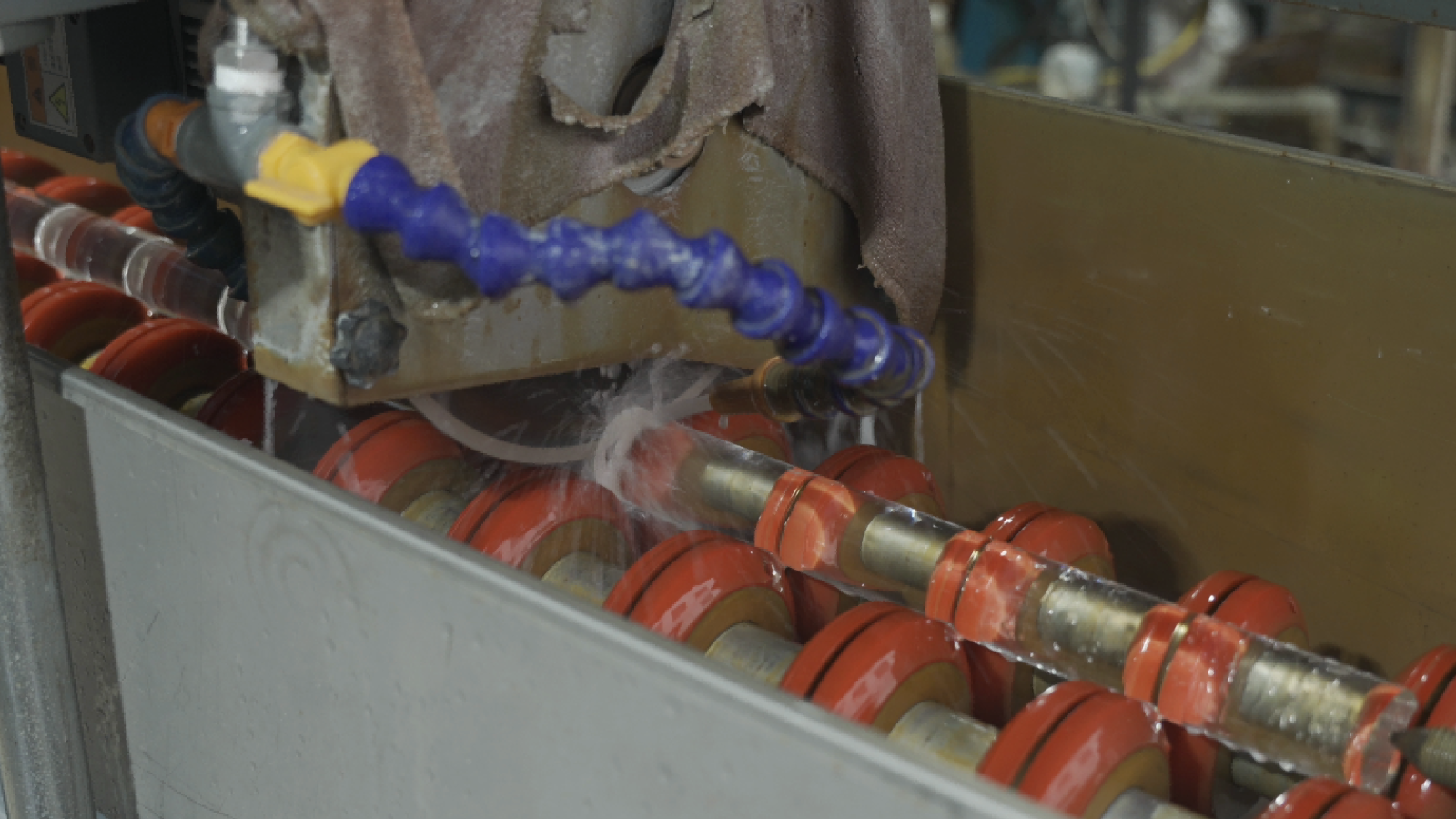
Cutting glass rods
Cut with a diamond scribing knife, The cut is polished with butane flame (1300°C instantaneous burning to eliminate microcracks).
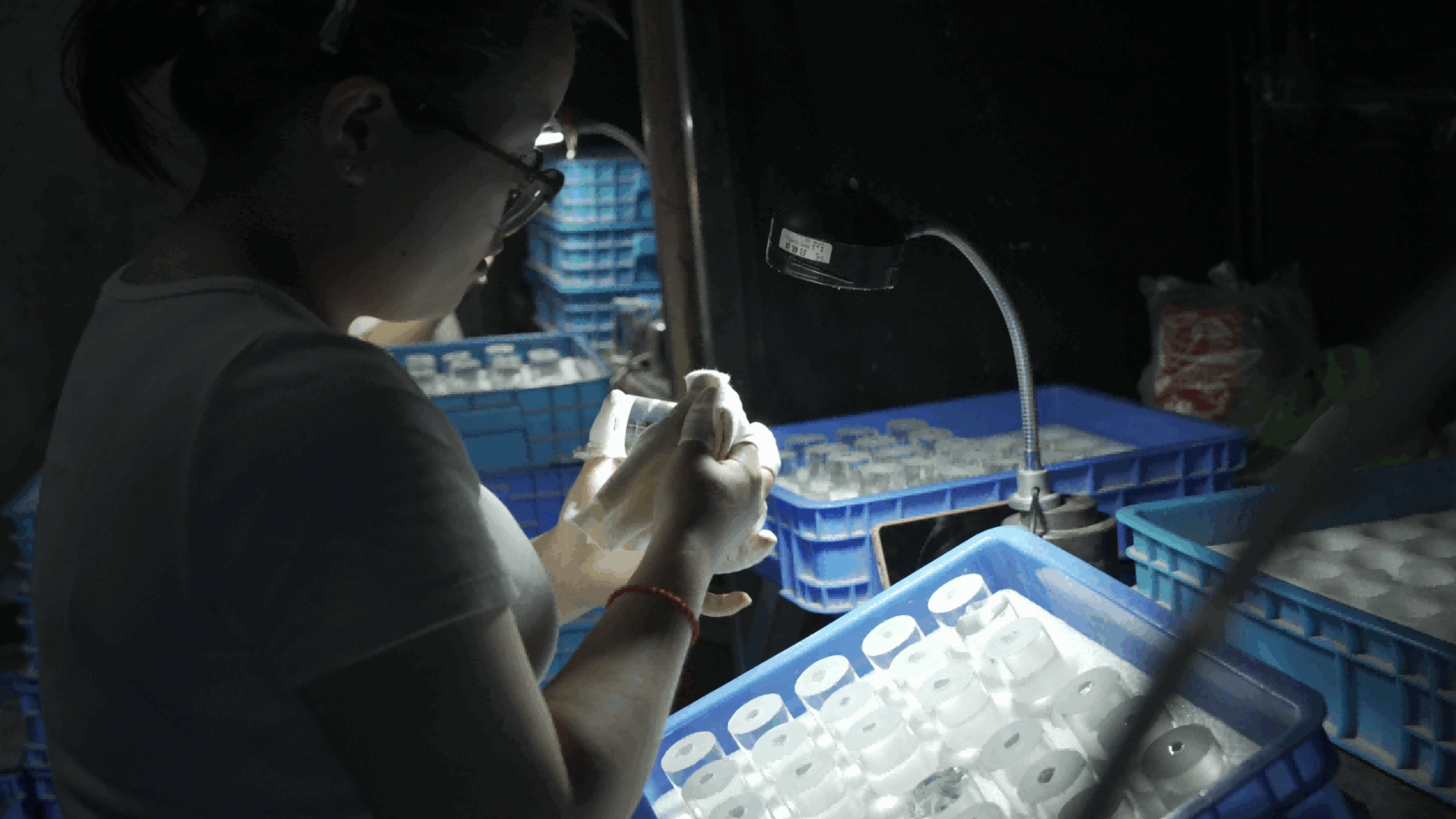
Material quality inspection
It includes the uniformity of light transmittance of glass raw materials (bubbles, stones, streak defects), melting state (temperature fluctuations, softening sag), structural integrity after molding (cracks, thickness deviation), etc.
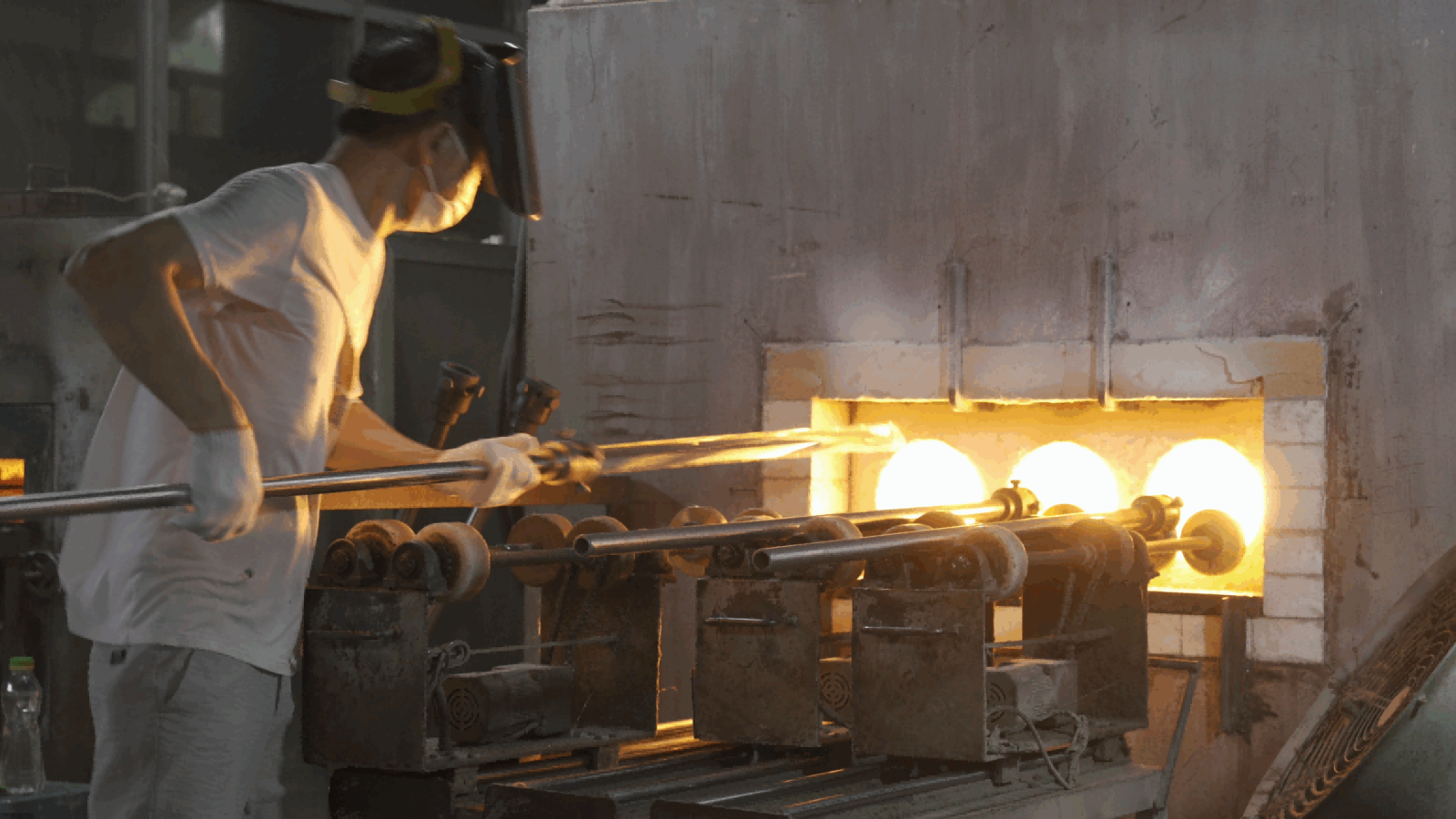
Melting of glass
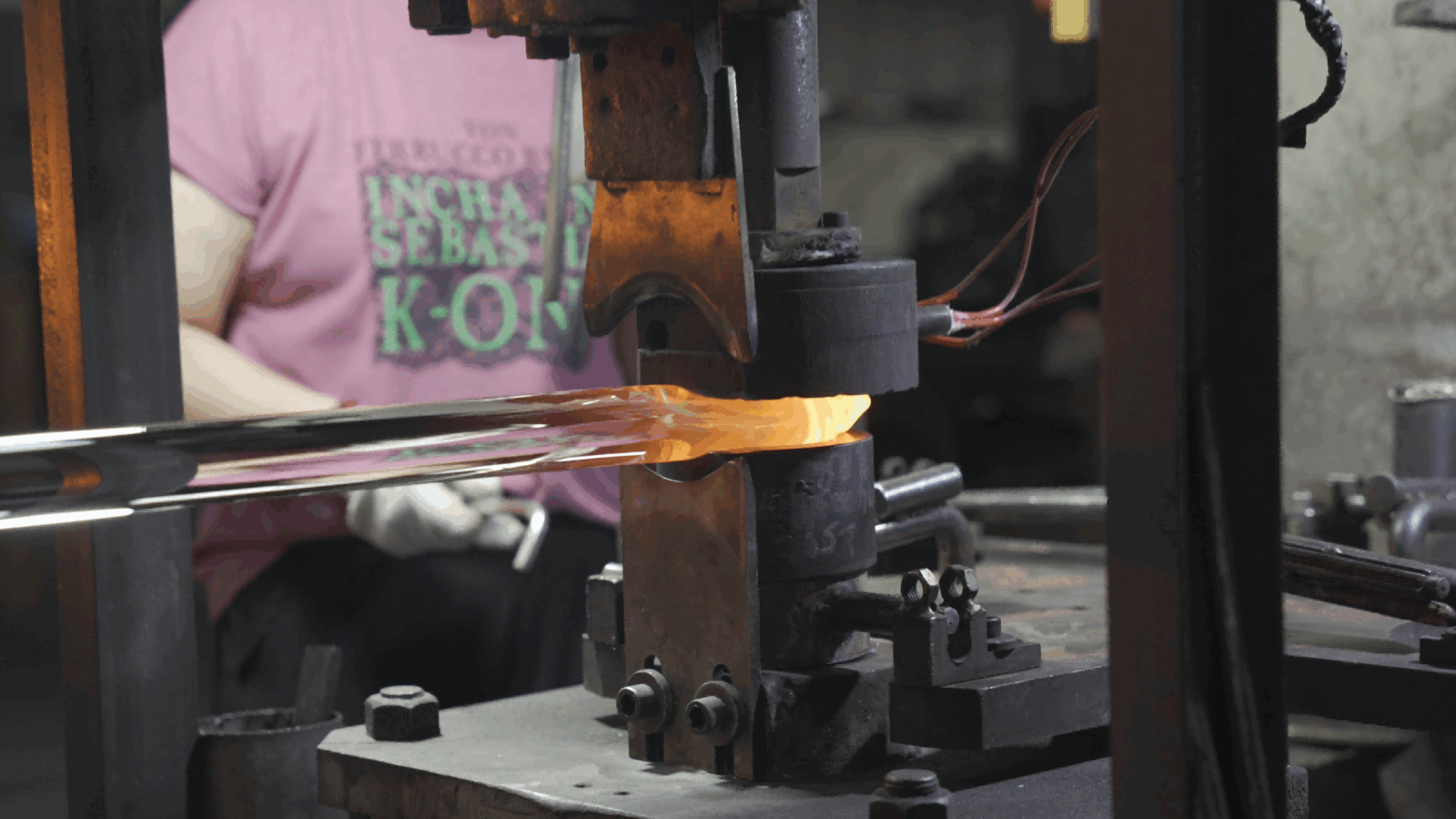
Temperature control: Borosilicate glass: 820°C±5°C (monitored by infrared thermometer). Observe the softening state: the glass rod sags 3~5mm and is orange-red and translucent. Defoaming by rotation: The high-temperature resistant tweezers rotate at a constant speed of 2~3 rpm, and the axial temperature difference is ≤10°C/cm. If bubbles are found, immediately immerse it in a 600°C preheated graphite crucible and let it stand for defoaming.
Pressing and molding
The softened glass is transferred to the center of the mold within 5 seconds (the mold is preheated to 200°C). Prepress the auxiliary press (2MPa/5 seconds) for initial shaping. The hydraulic press pressurizes to 10MPa and maintains the pressure for 15 seconds (pressure error ±0.5MPa). The verticality of the pressure direction is ≤1° to avoid uneven thickness caused by eccentricity.
Initial inspection
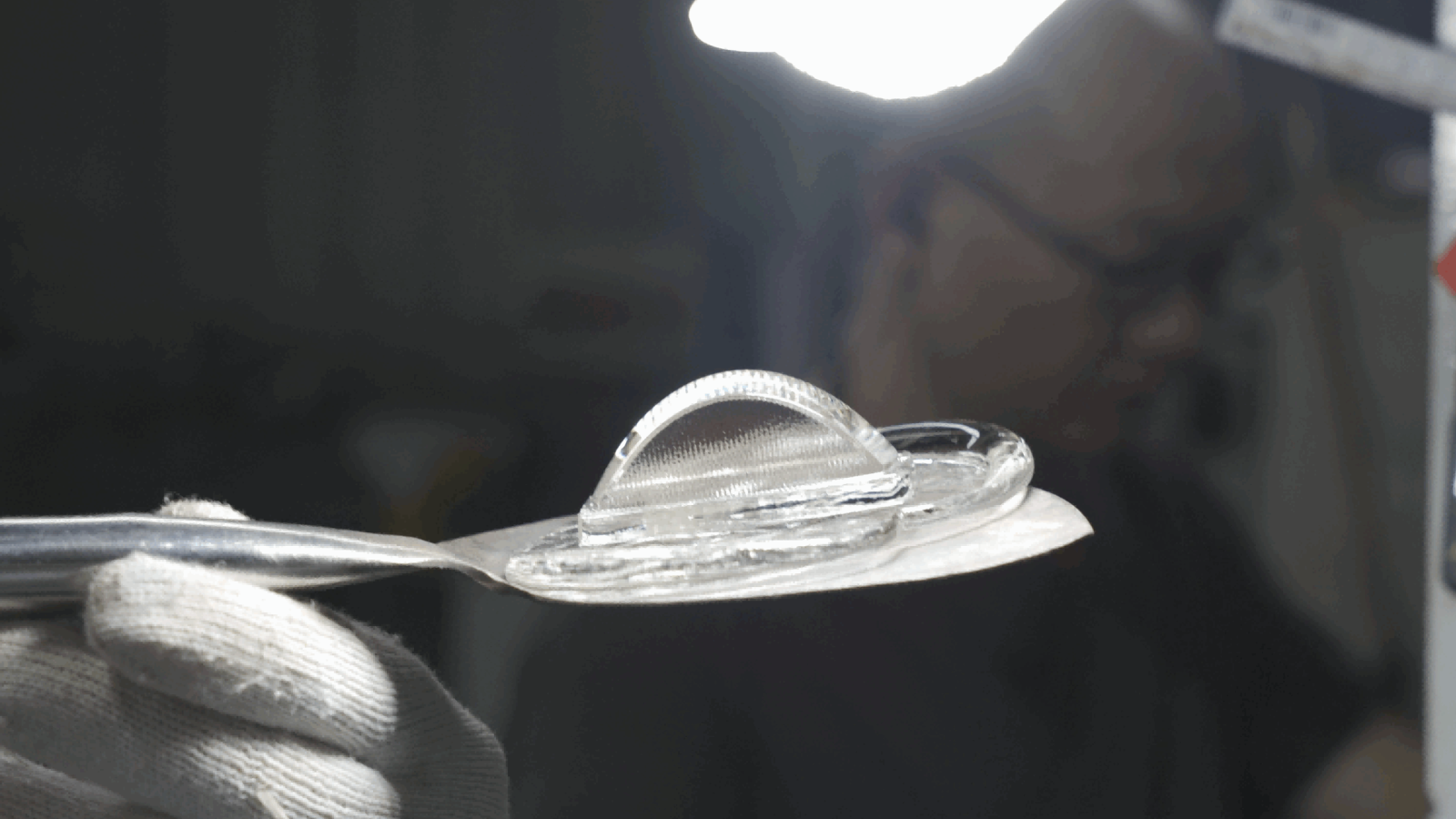
Initial inspection is the first rapid quality inspection link after the glass is pressed and formed. It aims to screen appearance and basic structure defects through visual inspection and simple tools to prevent unqualified products from flowing into subsequent high-cost processes (such as annealing and grinding).
Annealing
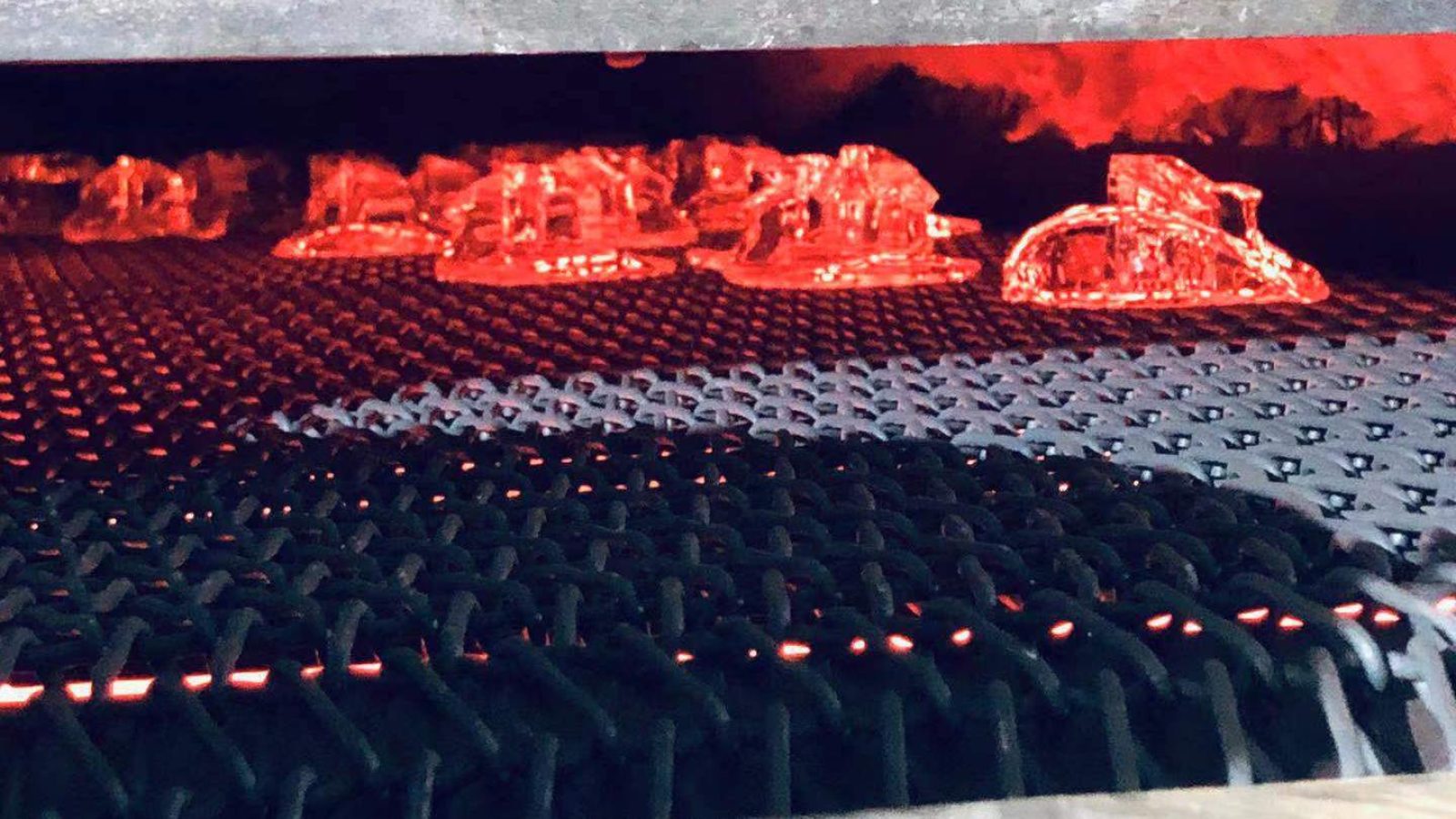
The internal stress of the glass is eliminated through gradient cooling to prevent cracking or deformation caused by excessive cooling, thus ensuring the structural stability of the finished product.
Grinding
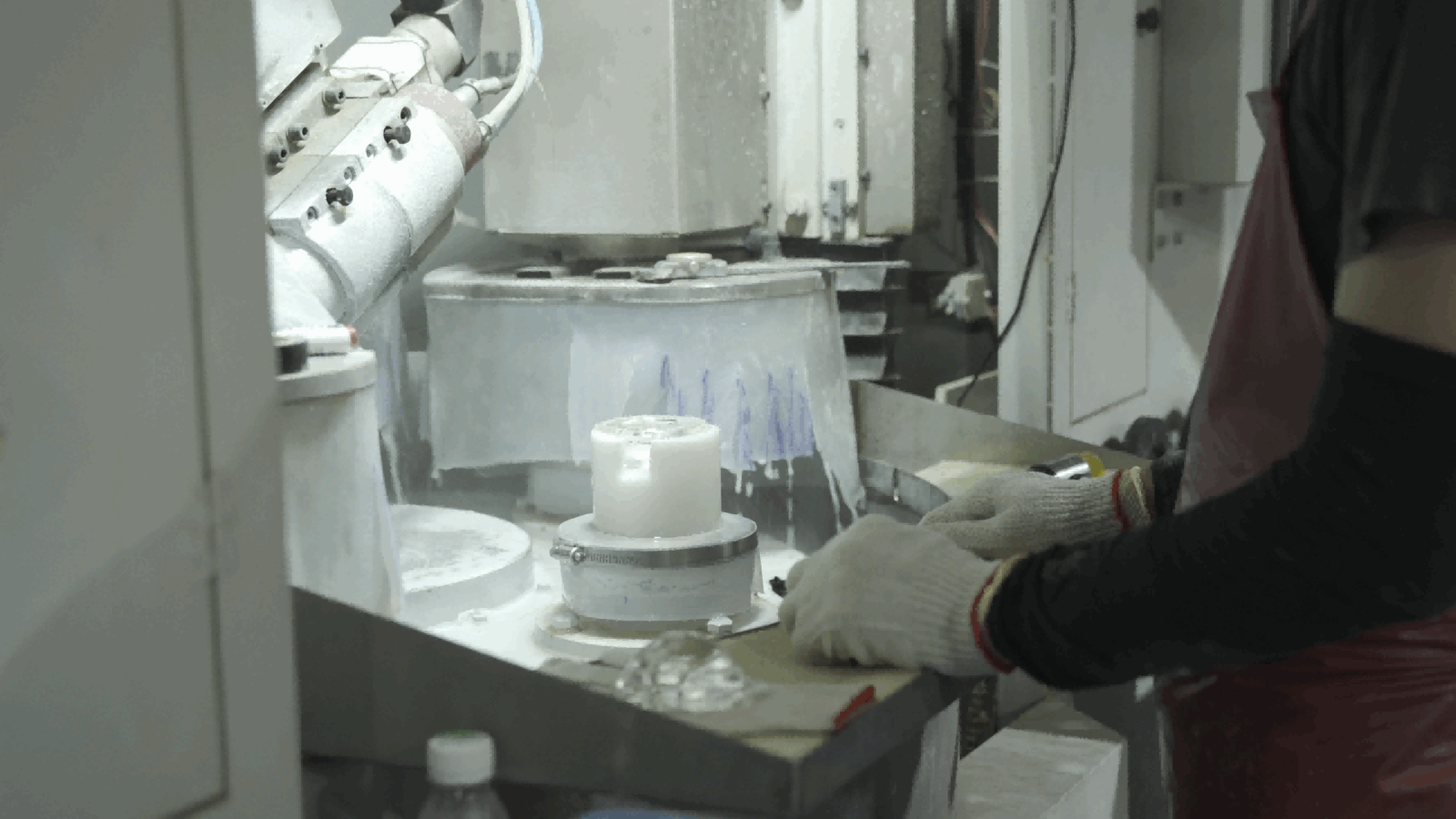
Precision grinding of edges or surfaces of molded glass parts to correct dimensional tolerances and improve optical surface flatness and appearance consistency.
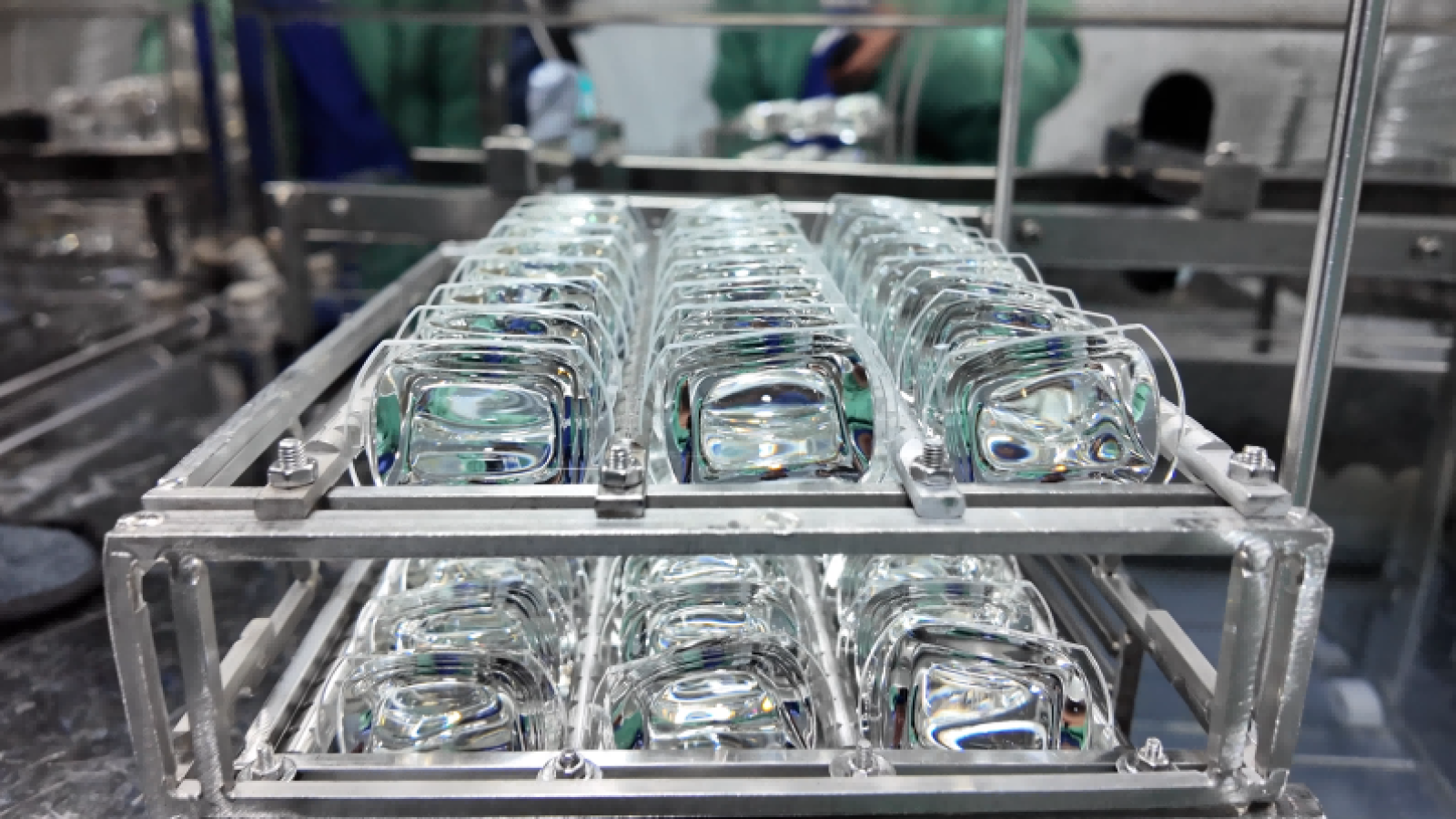
Cleaning
Use ultrasonic cleaning process to remove residual particles, and after drying, use shock-proof and scratch-proof material to package to avoid damage during transportation and storage.
Package
Our team of highly-trained packaging specialists will expertly craft premium-quality packaging solutions that showcase your products in their most elegant light.
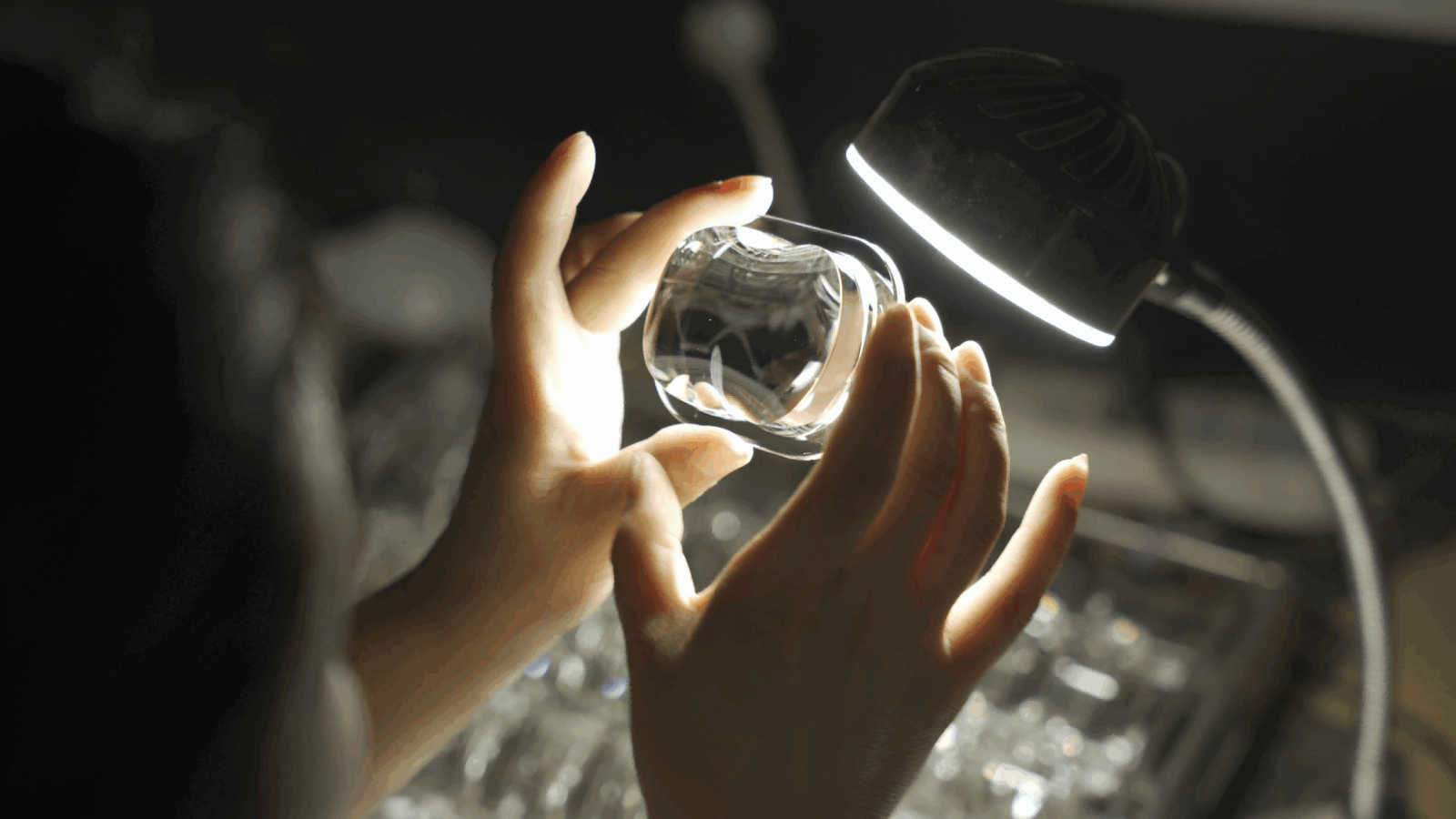
Workshop display
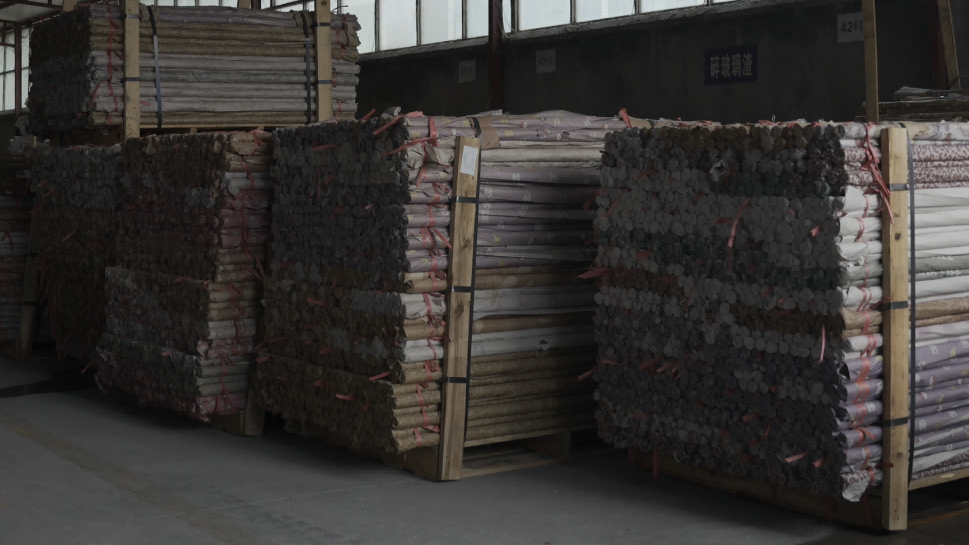
Continuous Charging Machine
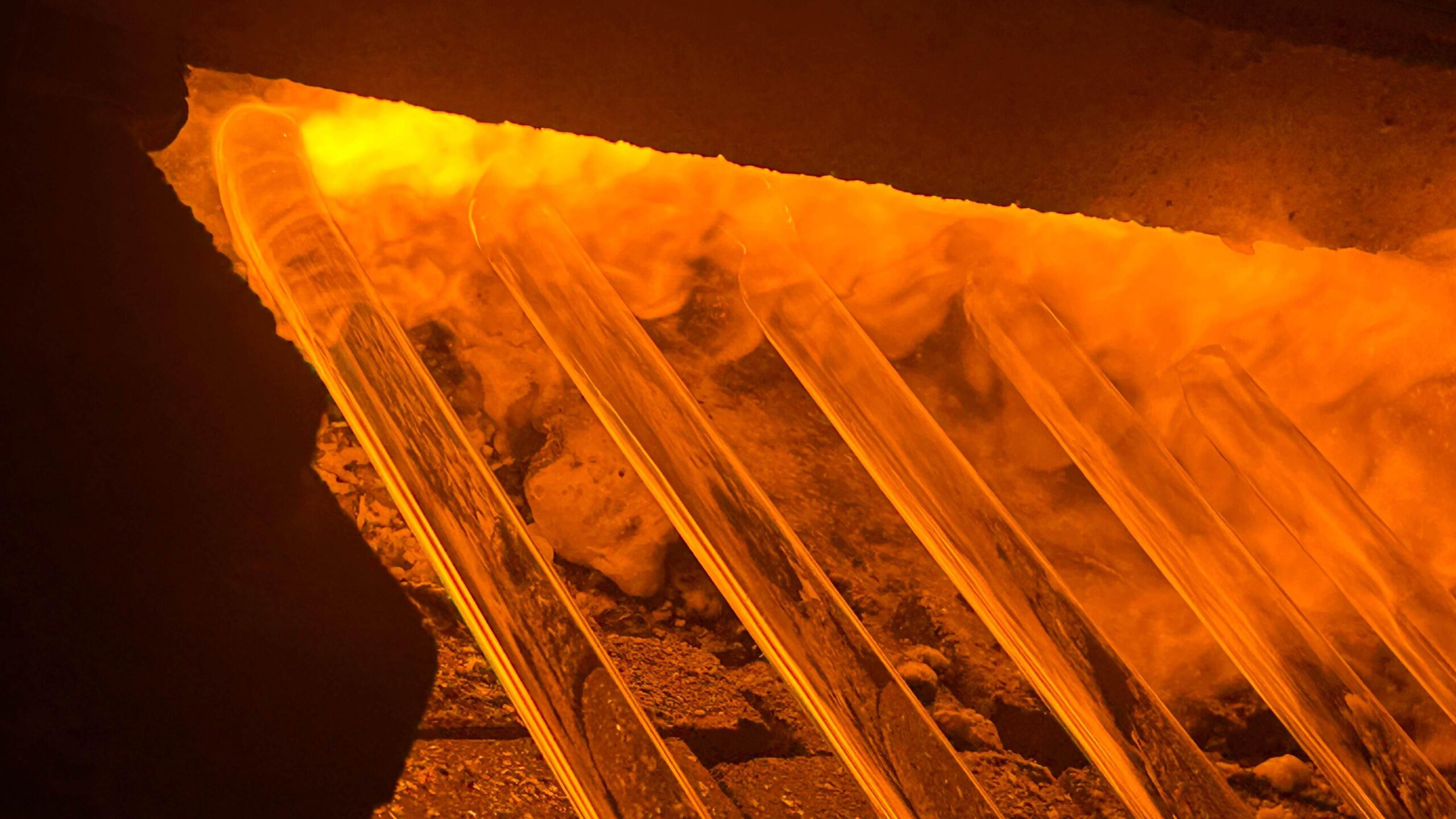
Glassblowing Production Line
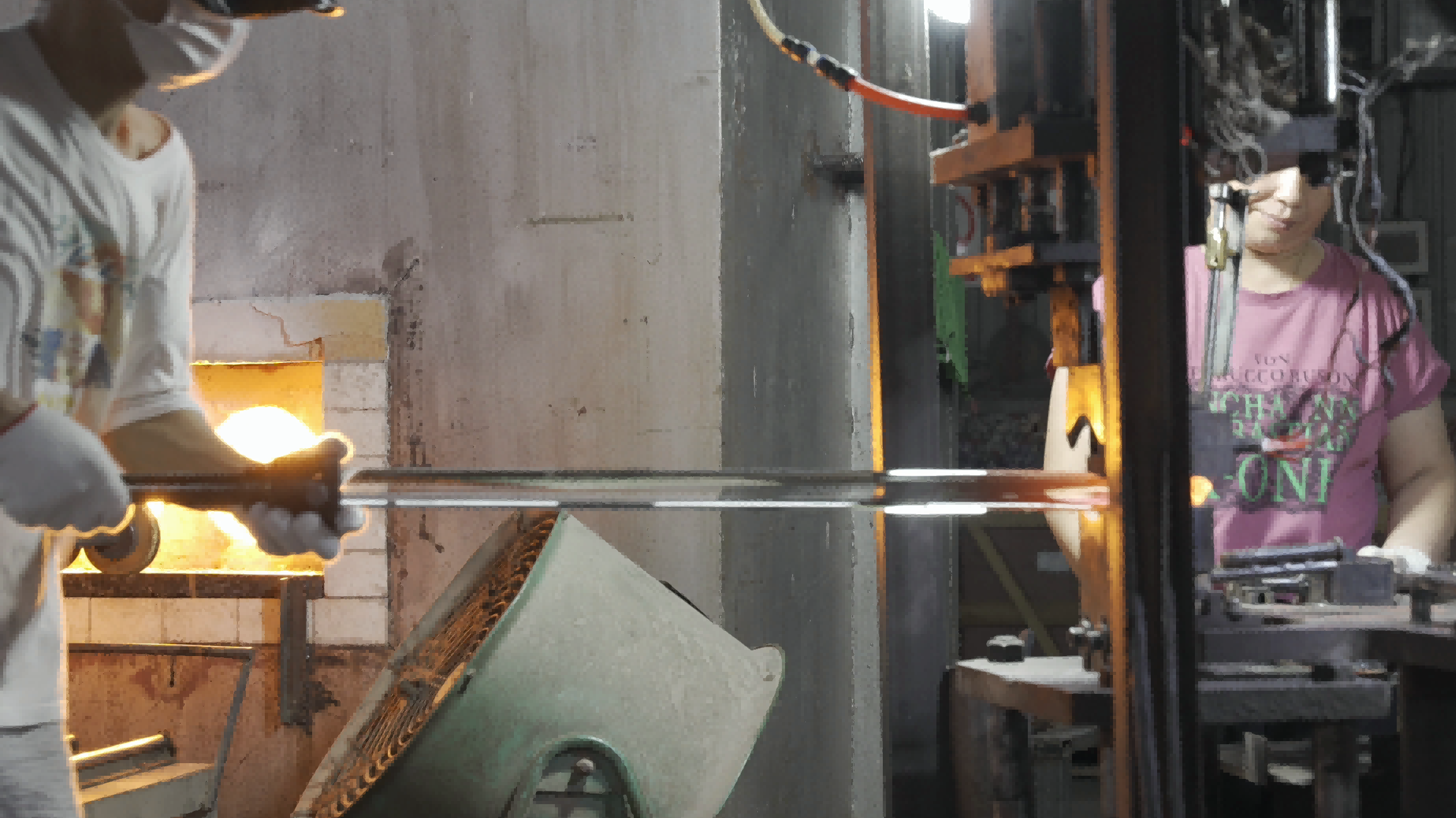
Glass Molding Production Line
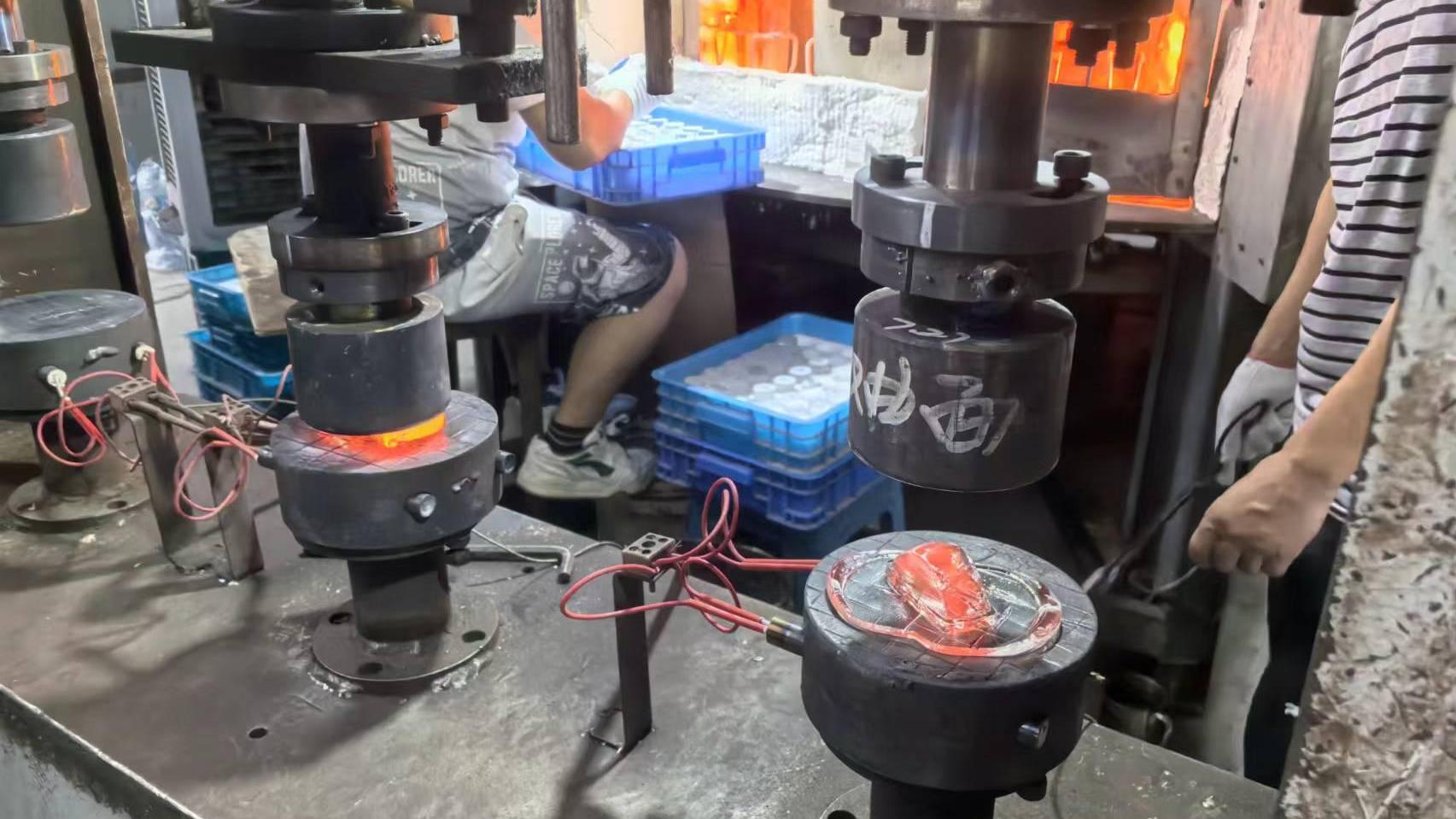
Thermal Polishing System
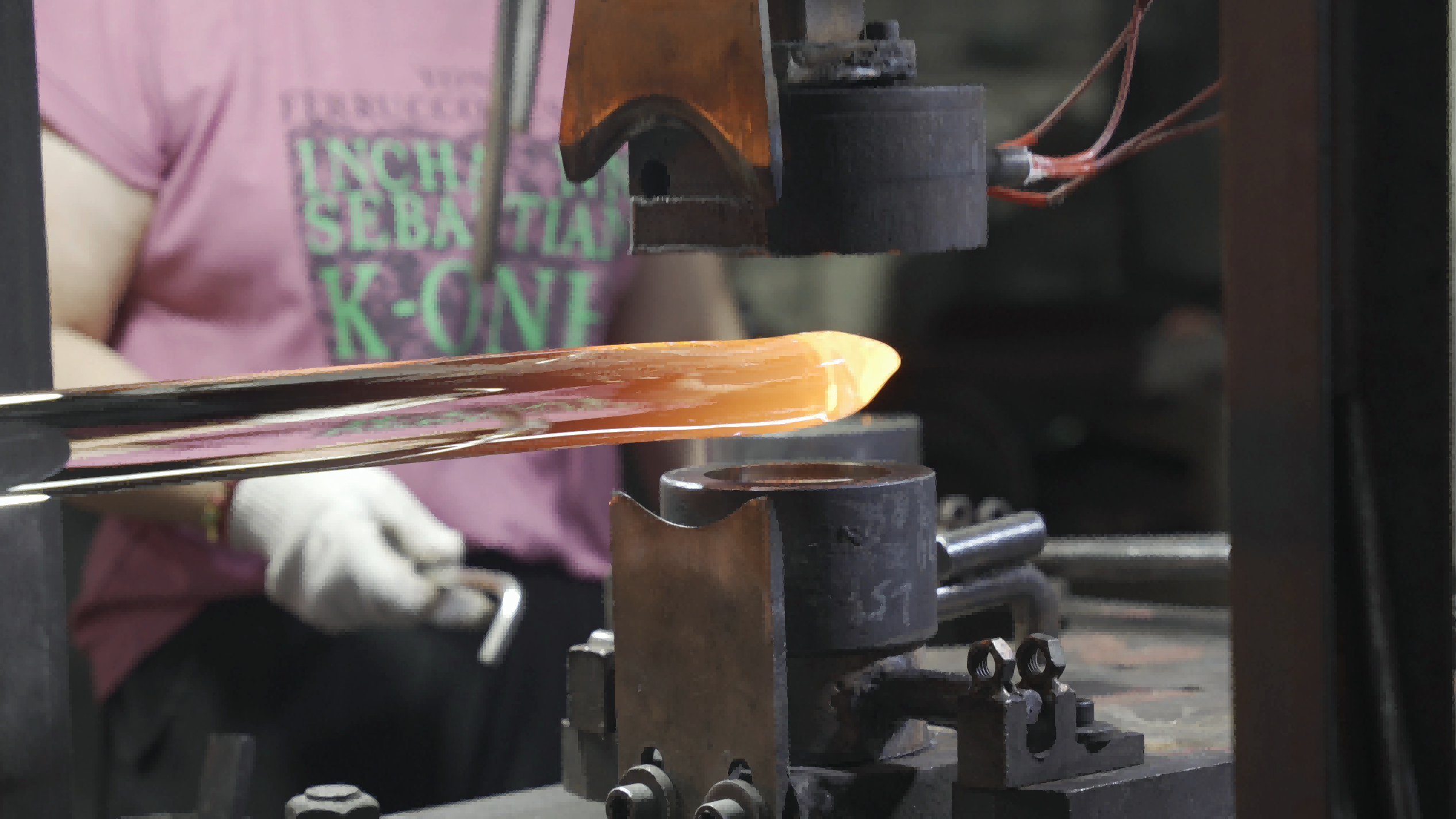
Annealing furnace
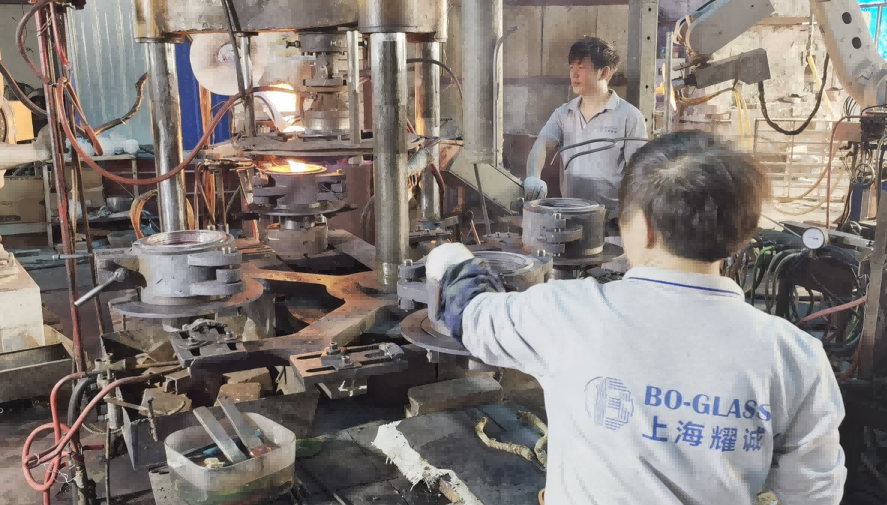
Automated Press with Robotic Feeding
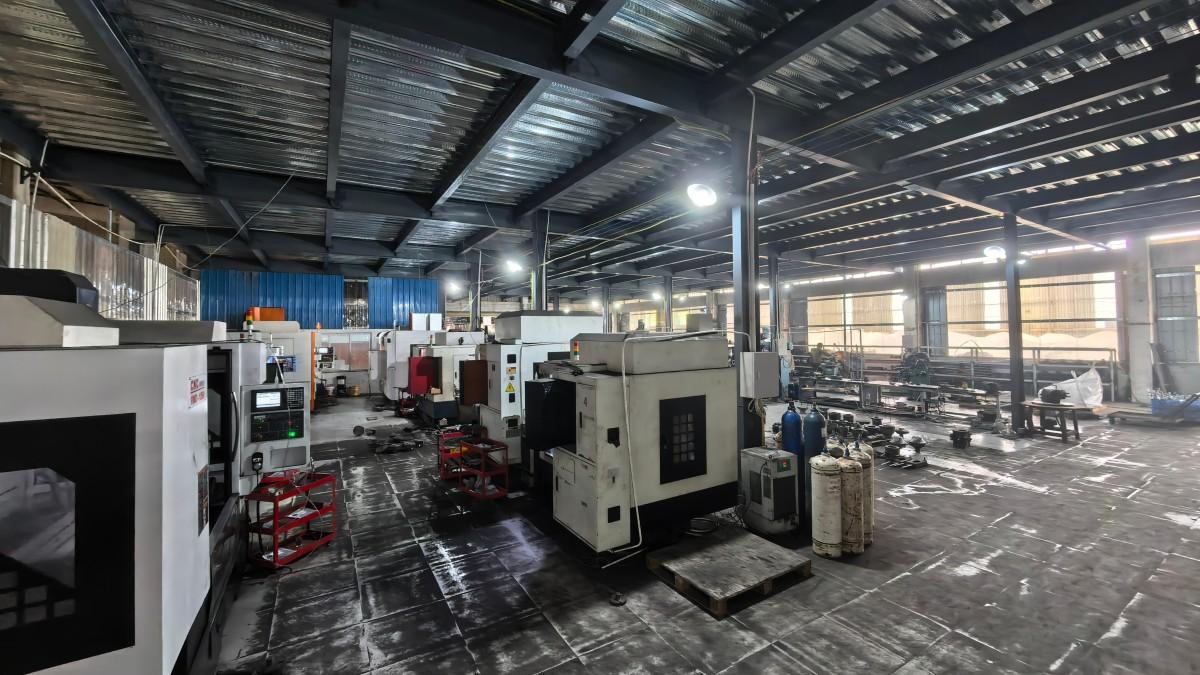
Metal Die CNC Machining Workshop
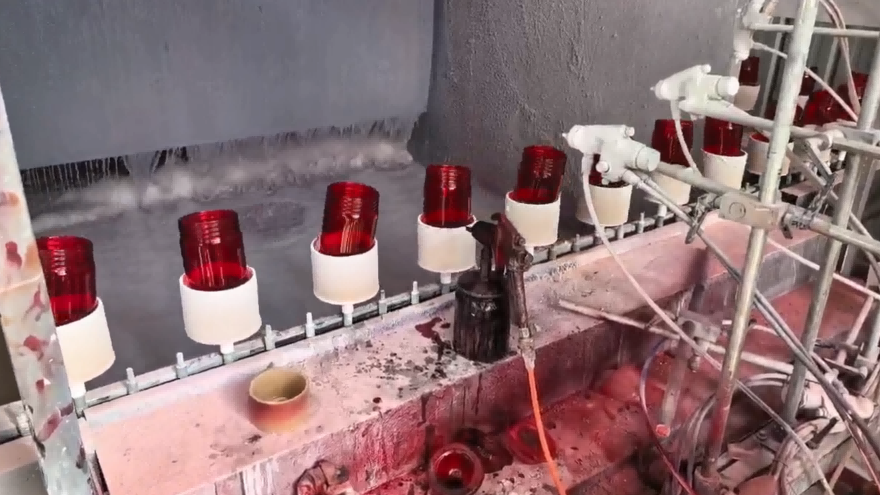
Automated Conveyorized Painting System
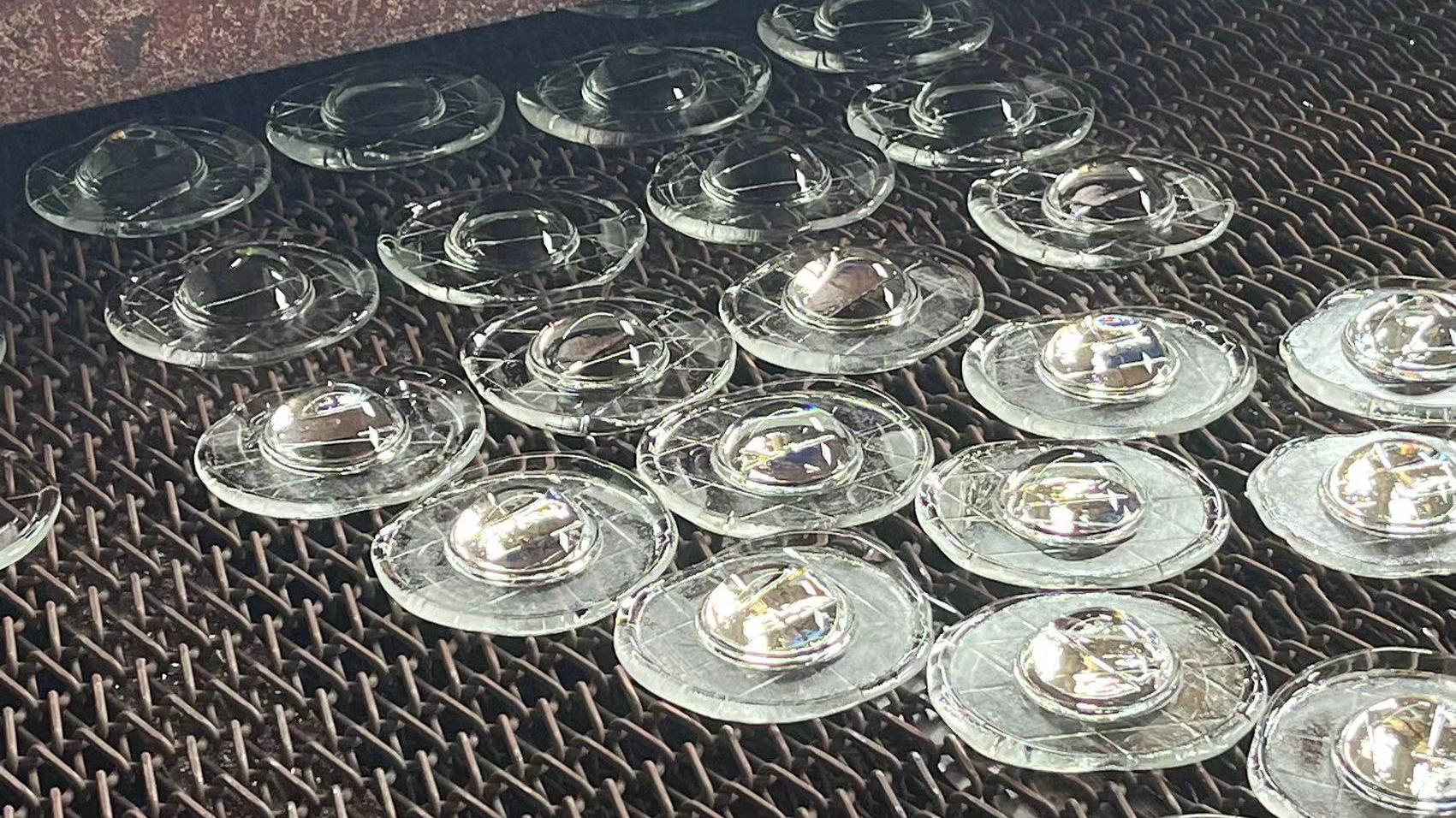
Quality inspection and packaging
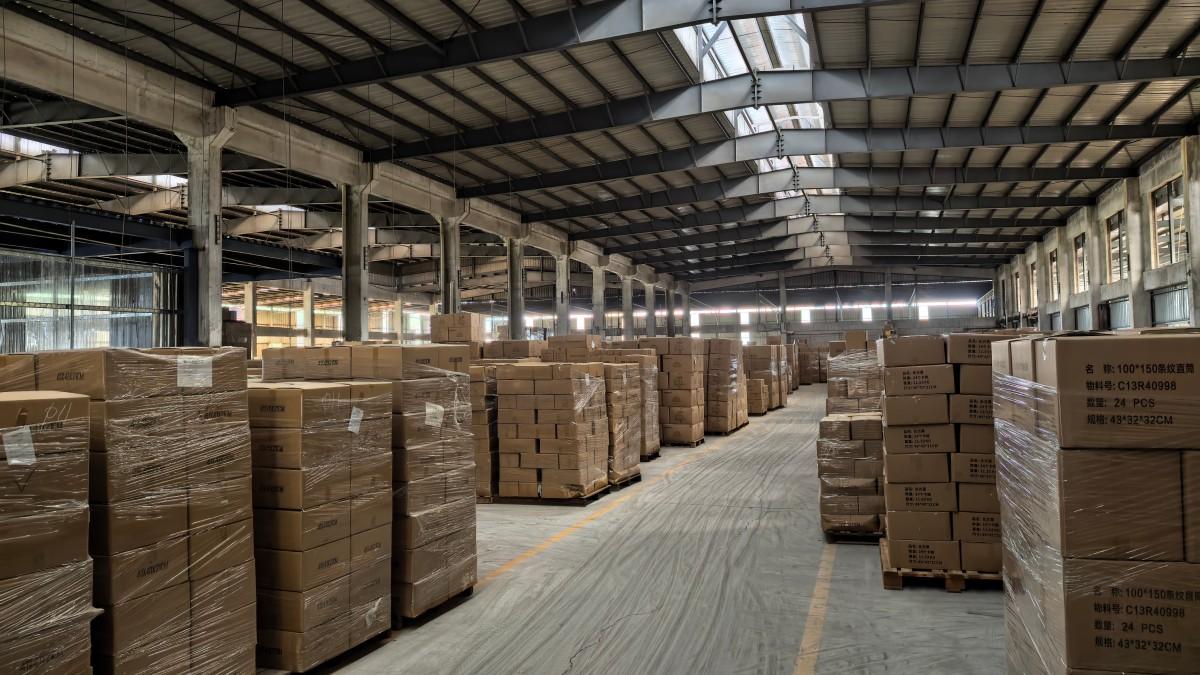
Storehouse
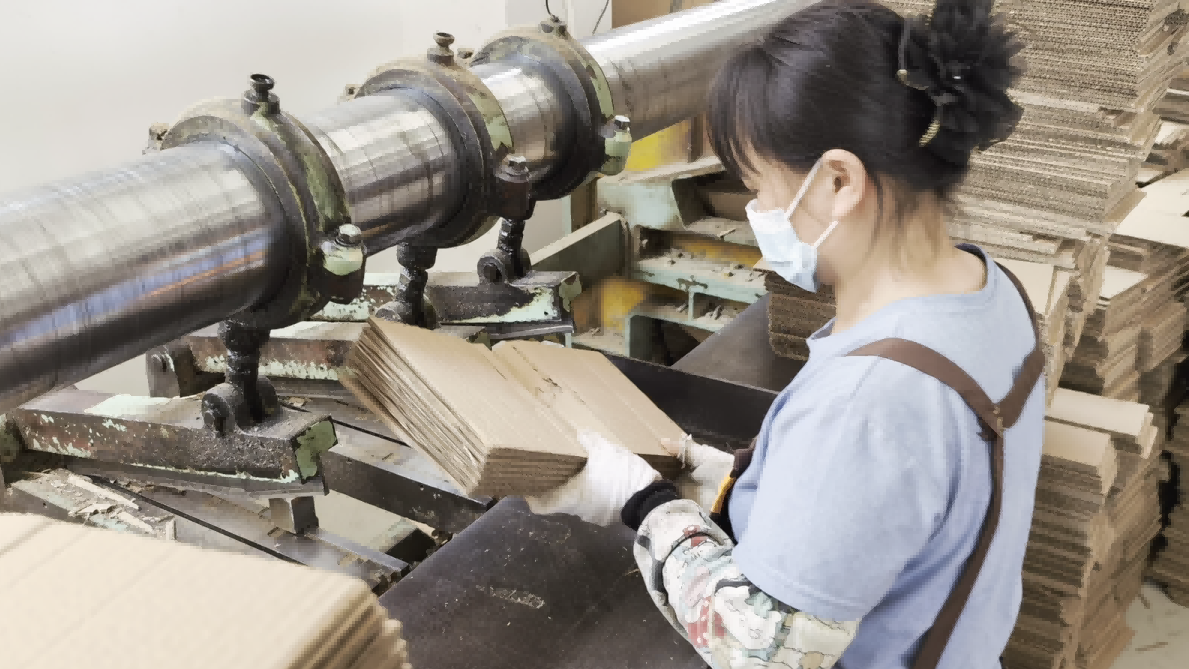
Carton production workshop
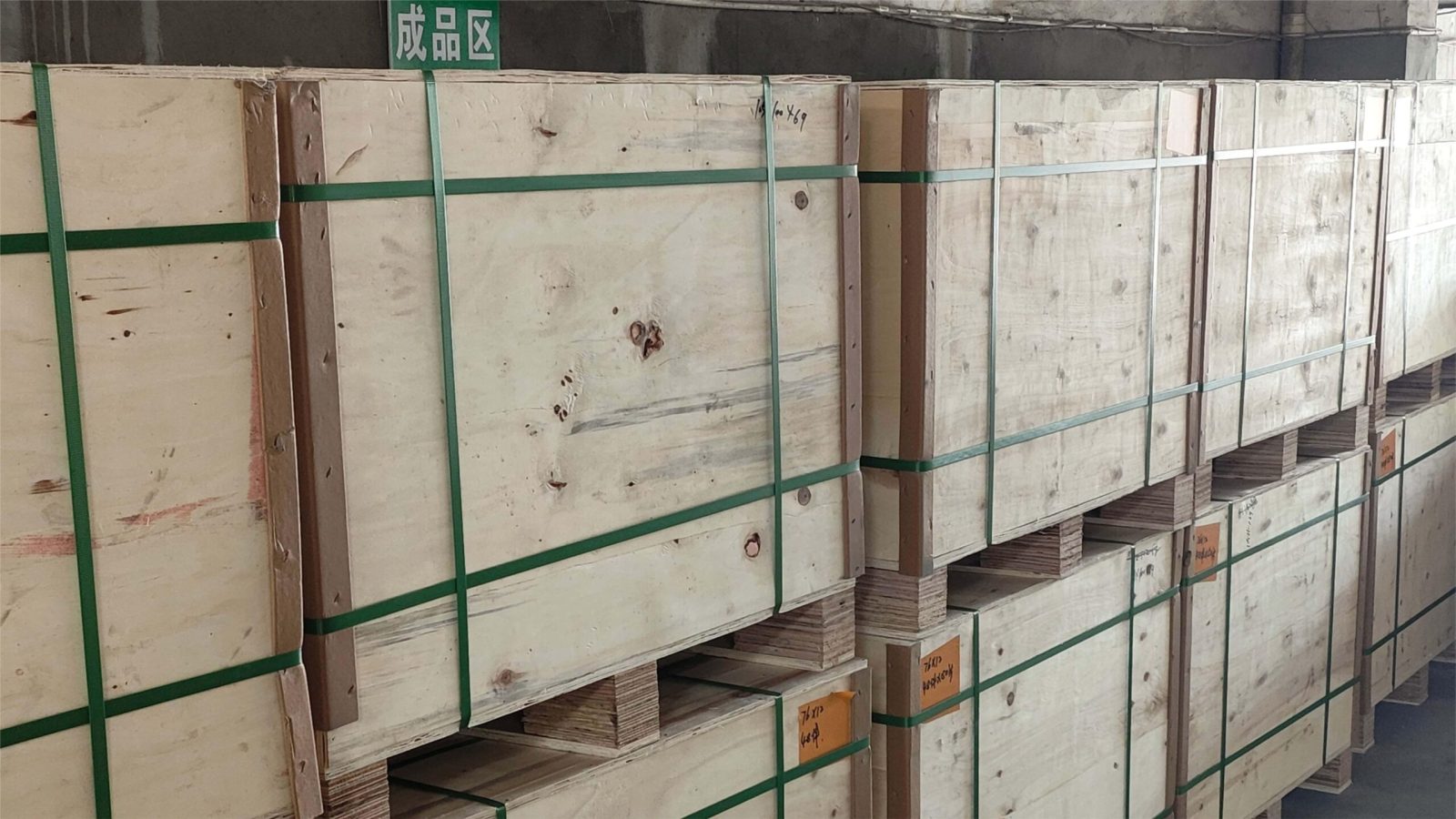
Loading and Unloading Area
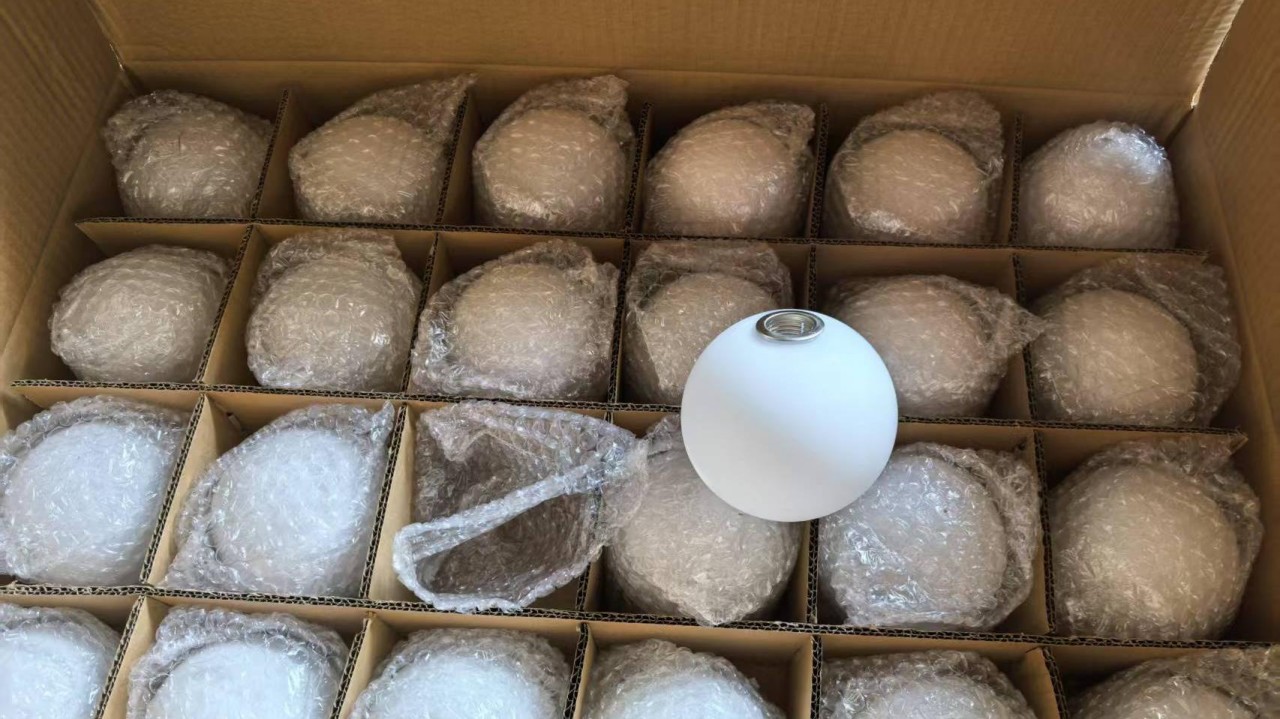
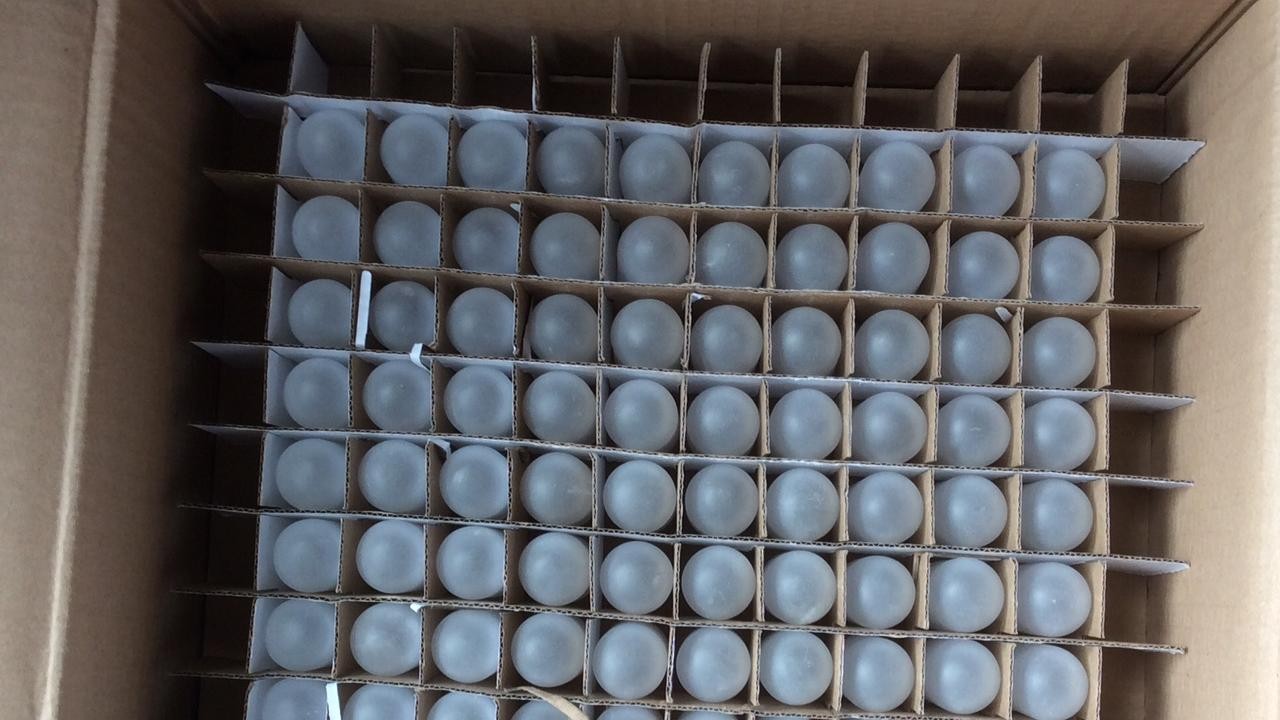
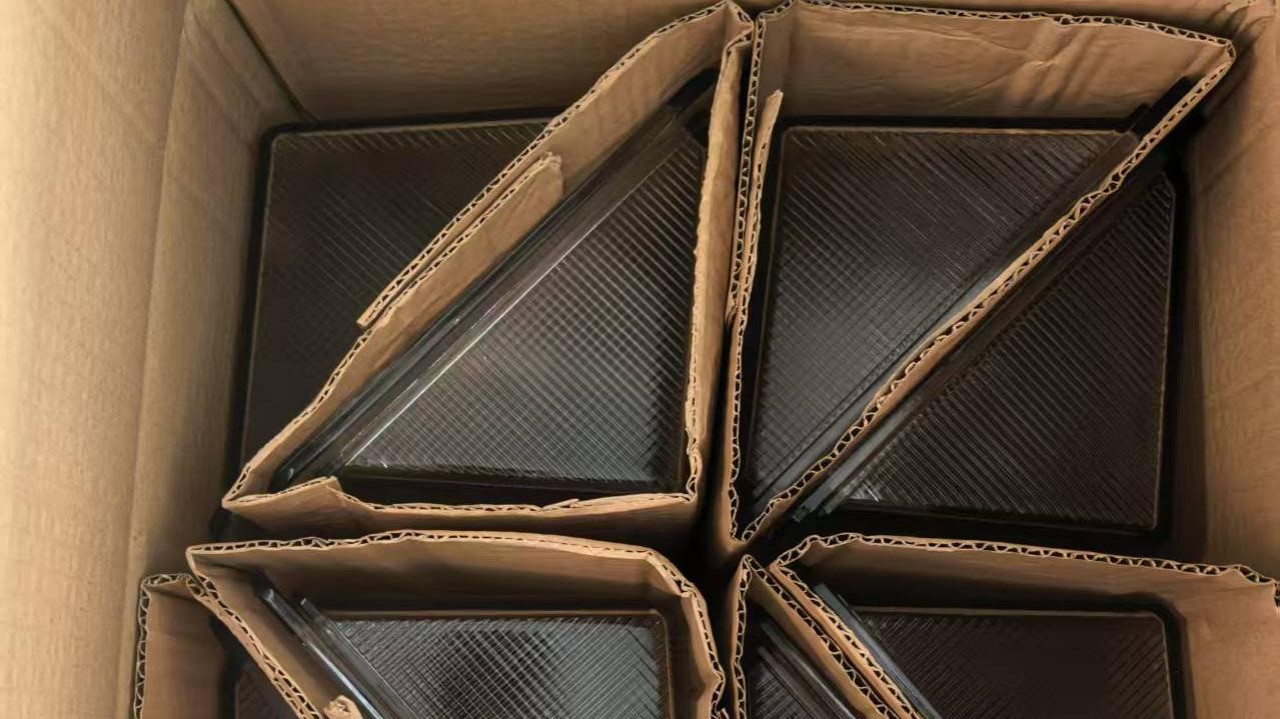
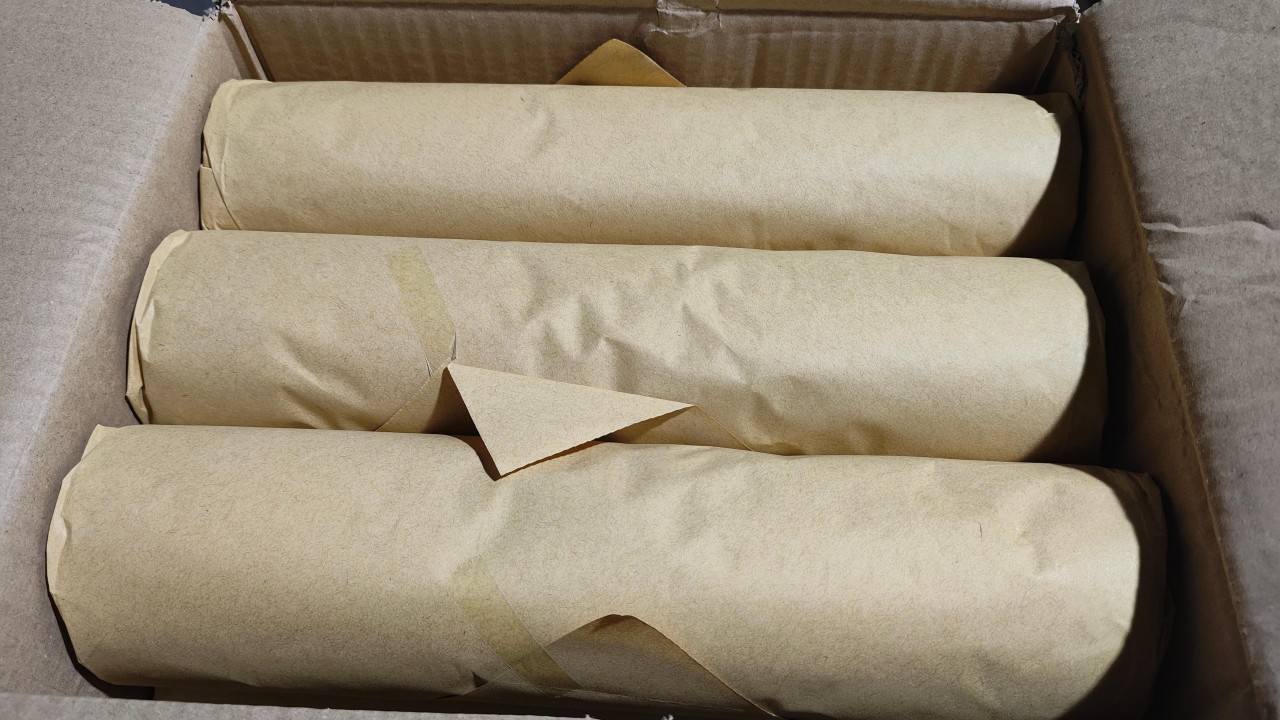
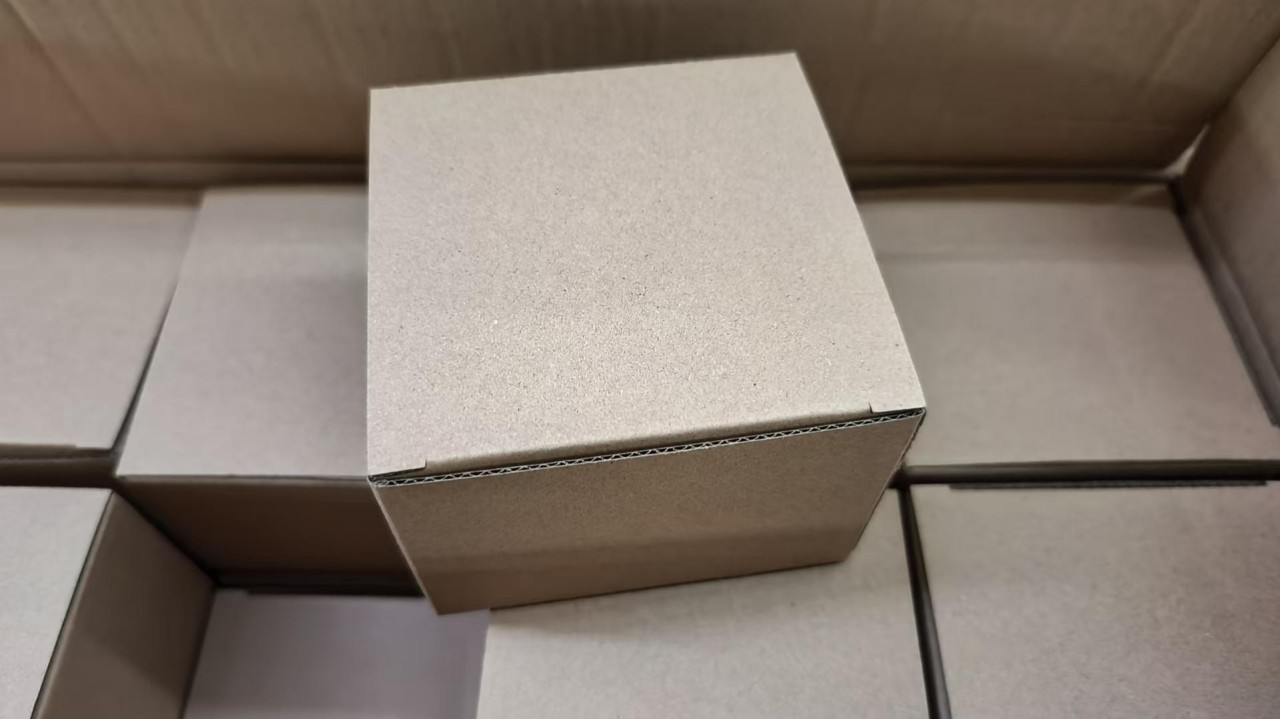
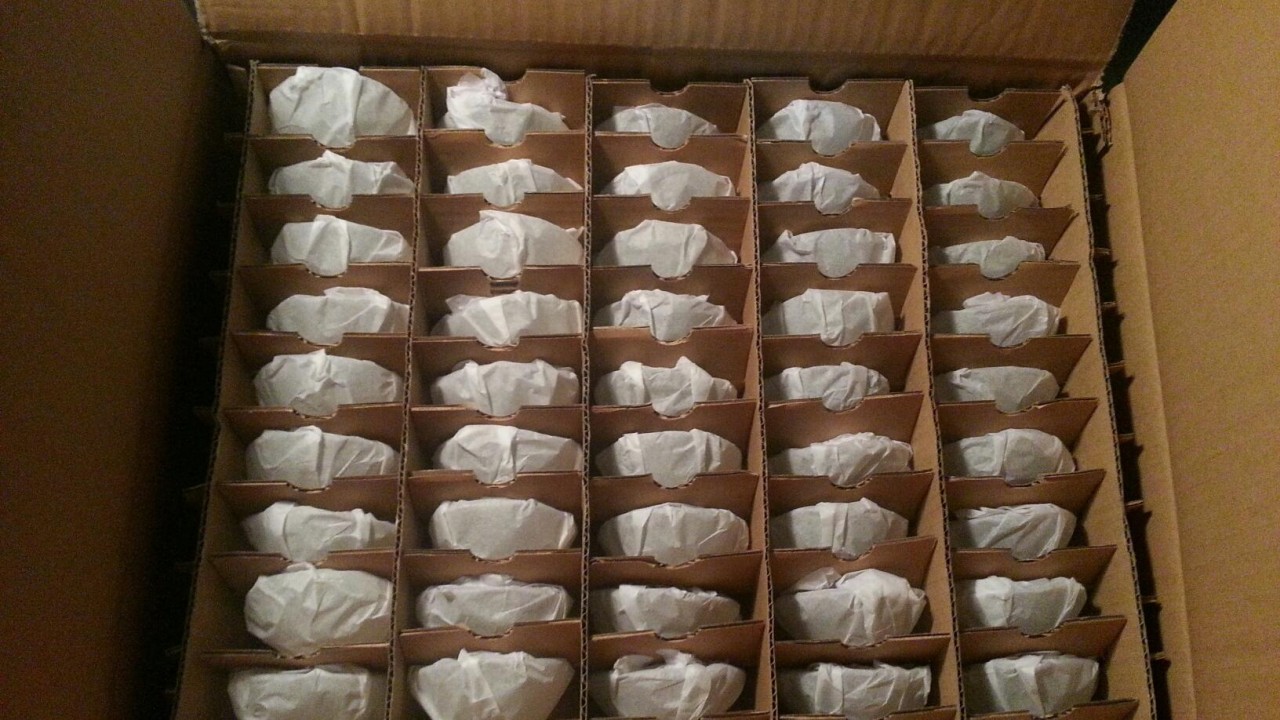
Product Packaging
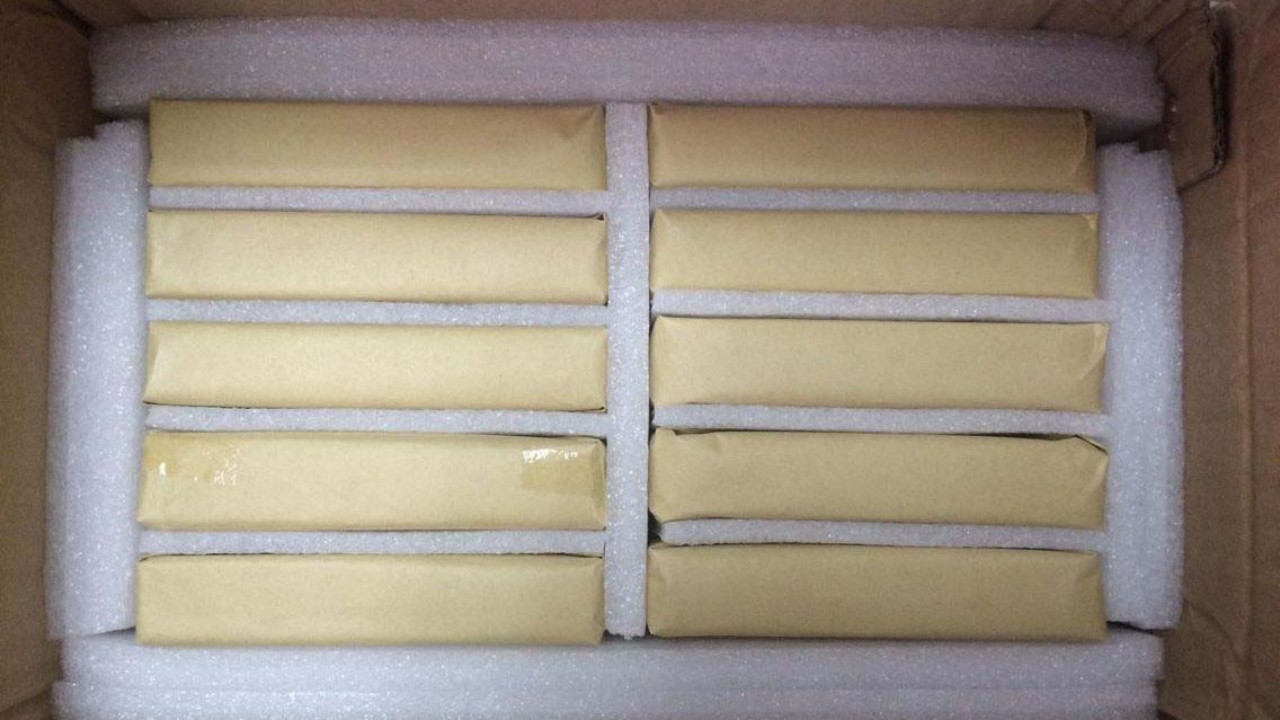
As an innovator in the field of glass deep processing, BO-GLASS not only focuses on the ultimate breakthrough in product performance, but also provides full-link protection from production to customer end for each glass product through scientific and artistic packaging design, while simultaneously delivering the brand's high-end value.
Materials
Depending on our customers’ individual requirements, BO- Glass offers glass material options, including:
B270 (Crown Glass):
Type: Soda-lime glass.
Properties: Good optical clarity, lower cost, easier cold working (cutting/grinding) than many optical glasses. Moderate chemical resistance.
Use: Cost-effective lenses for lower-precision applications (e.g., simple magnifiers, basic optics) where extreme performance isn’t critical.
BK7 (Borosilicate Crown – Optical Grade):
Type: Borofloat optical glass (standard composition).
Properties: Excellent transmission across visible spectrum, high homogeneity, low bubble/inclusion content. Standard refractive index (nd≈1.517) & Abbe number (Vd≈64.2). Good chemical durability.
Use: Industry-standard for high-quality precision lenses, prisms, windows, and optical components requiring reliable performance.
High Borosilicate 3.3 (e.g., Duran, Pyrex type):
Type: High-boron-content borosilicate (COE ~33).
Properties: Exceptional thermal shock resistance (very low CTE ~3.3×10⁻⁶/K), high chemical durability, good transmission. Less ideal for complex optical designs than BK7.
Use: Lenses and optics exposed to significant temperature gradients/stress (e.g., oven windows, some industrial sensors, specialized instrumentation). Flame workability is also an advantage for custom shapes.
Order Process
Talk With US
BOGLASS dedicated to being the supplier you choose for your custom Glass fabrication. From volume production to prototype, we will meet any require specifications at the most cost effective solution.
- Free quotes and design consultations
- Comprehensive brochure you can download
- Worry-free returns
- OEM&ODM
- Fast Respond Or enthusiasm
- Rapid Production
- Low MQQ
SEND US AN EMAIL
sales@bo-glass.com