
Custom Molding Pressed Glass
Your Reliable Glass Fabrication Solutions Expert
Precision-engineered custom glass solutions, empowering global innovation for over 20 years.
Trusted Supplier to Fortune 500 Companies
10000+ customers service experience
12,000 m2 production base,24 hours running production lines;
Custom Molding Pressed Glass
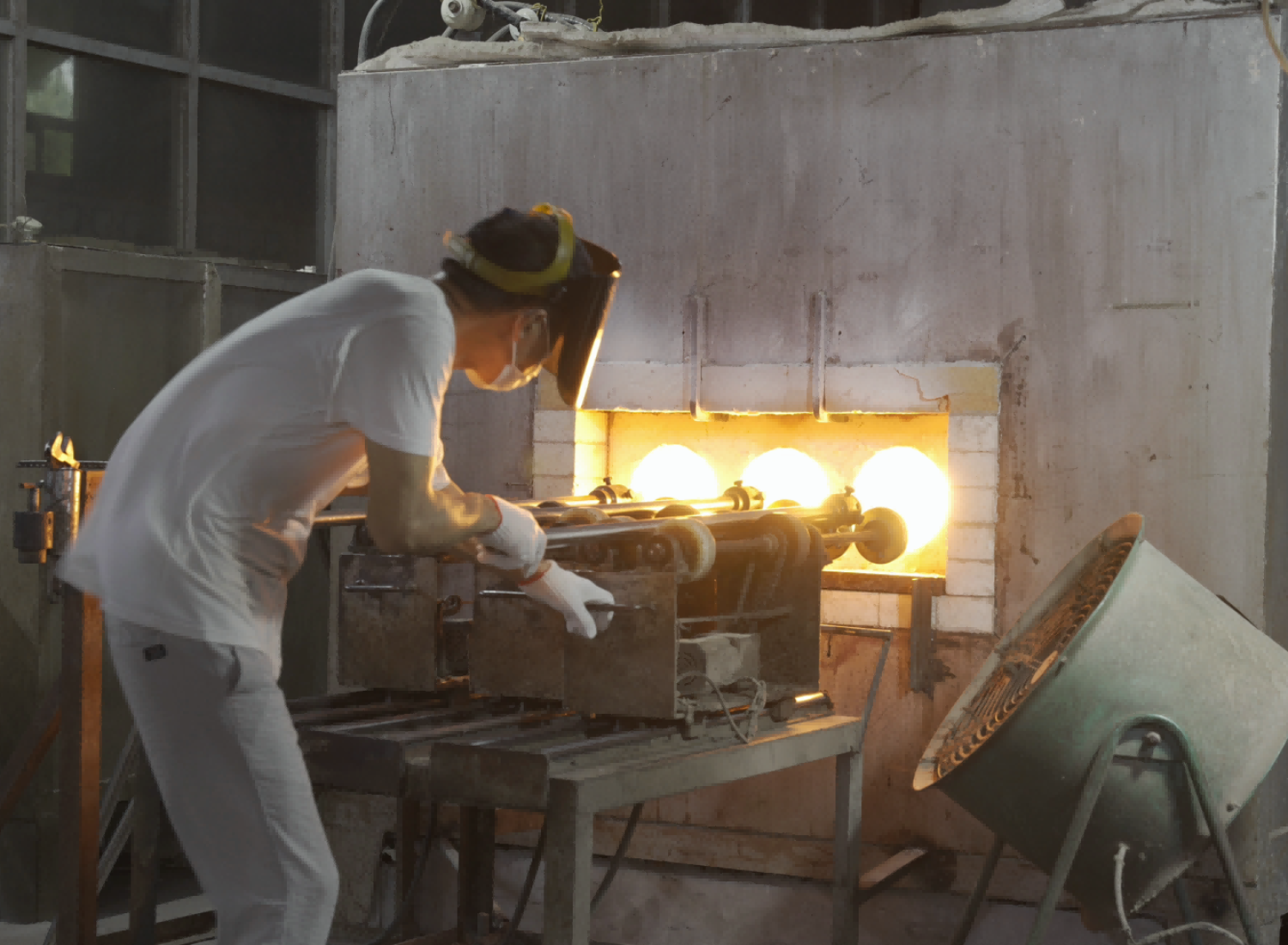
Pressed glass is formed into a specific shape by forcing molten glass into a mold. The process involves placing hot, pliable glass into a mold and then pressing a plunger into the desired shape, filling every detail of the mold. After forming, the glass is allowed to cool and solidify. Pressed glass is known for its ability to replicate intricate patterns and designs. It is, therefore, often used to produce decorative items such as glassware, tableware, bowls, vases, and ornate glass plates. In addition, this technology is highly regarded in automotive applications, such as manufacturing headlamp lenses, headlamp lens covers, and headlamp plastic covers that require precise and consistent shapes.


Our production process
BO-GLASS specializes in customized glass molding services, offering end-to-end solutions from prototype development to mass production. Our China-based facility features a 10-ton daily capacity borosilicate glass furnace, in-house tempering ovens with high-pressure air quenching systems for rapid cooling, and comprehensive post-processing equipment including precision cutting, polishing, and grinding. We deliver high-quality glass components of any size or complexity, supported by expert technical guidance, optimized production workflows, and seamless design-to-manufacture transitions, ensuring efficient project execution with competitive pricing and tailored engineering solutions.
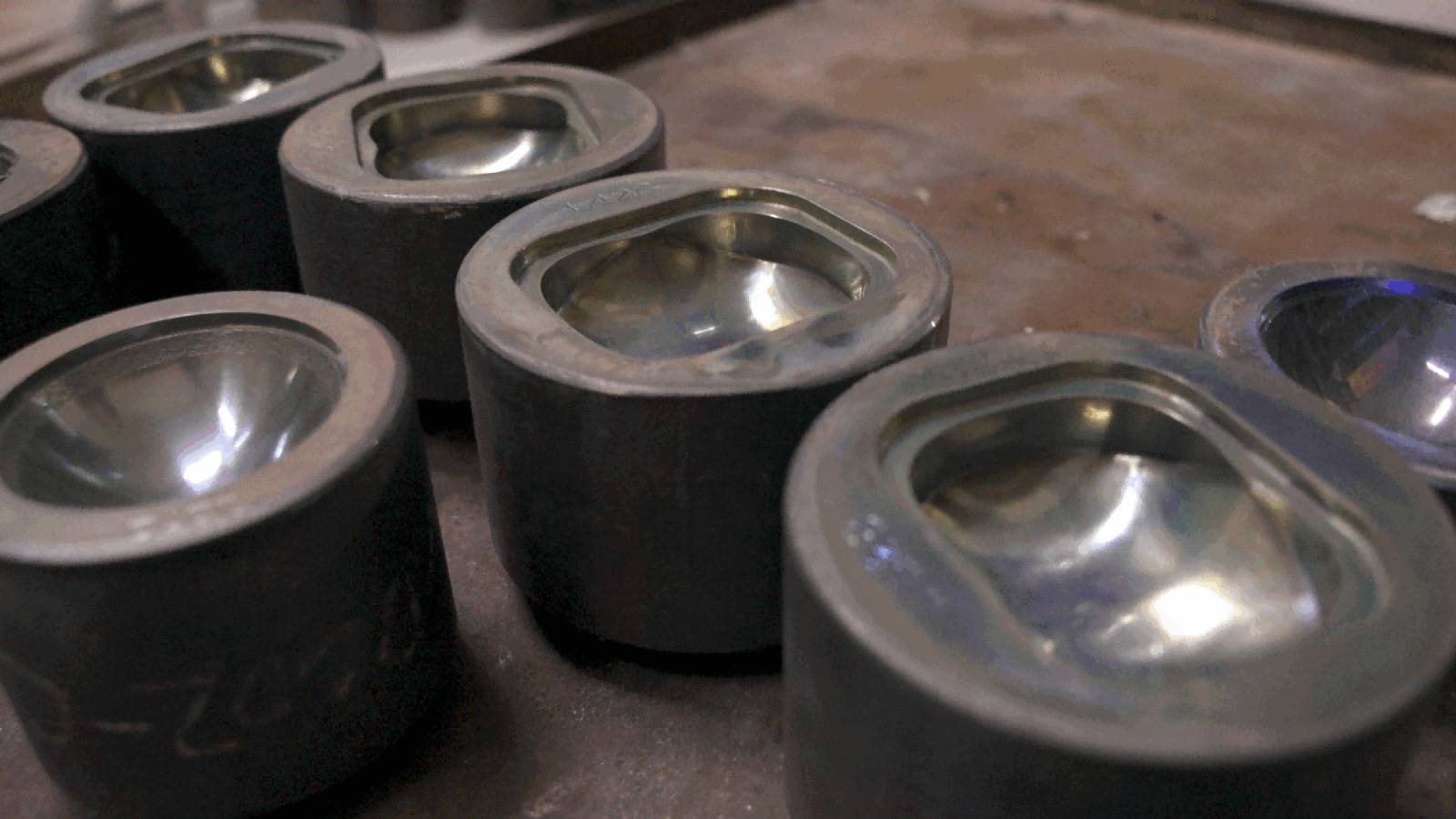
Mold pretreatment
Mold cleaning Soak the graphite mold in anhydrous ethanol for 10 minutes, ultrasonically clean for 5 minutes, and blow dry with compressed air. Use a spray gun to evenly spray boron nitride suspension (BN: ethanol = 1:10), and dry at 80°C for 1 hour to form a 20μm isolation layer.
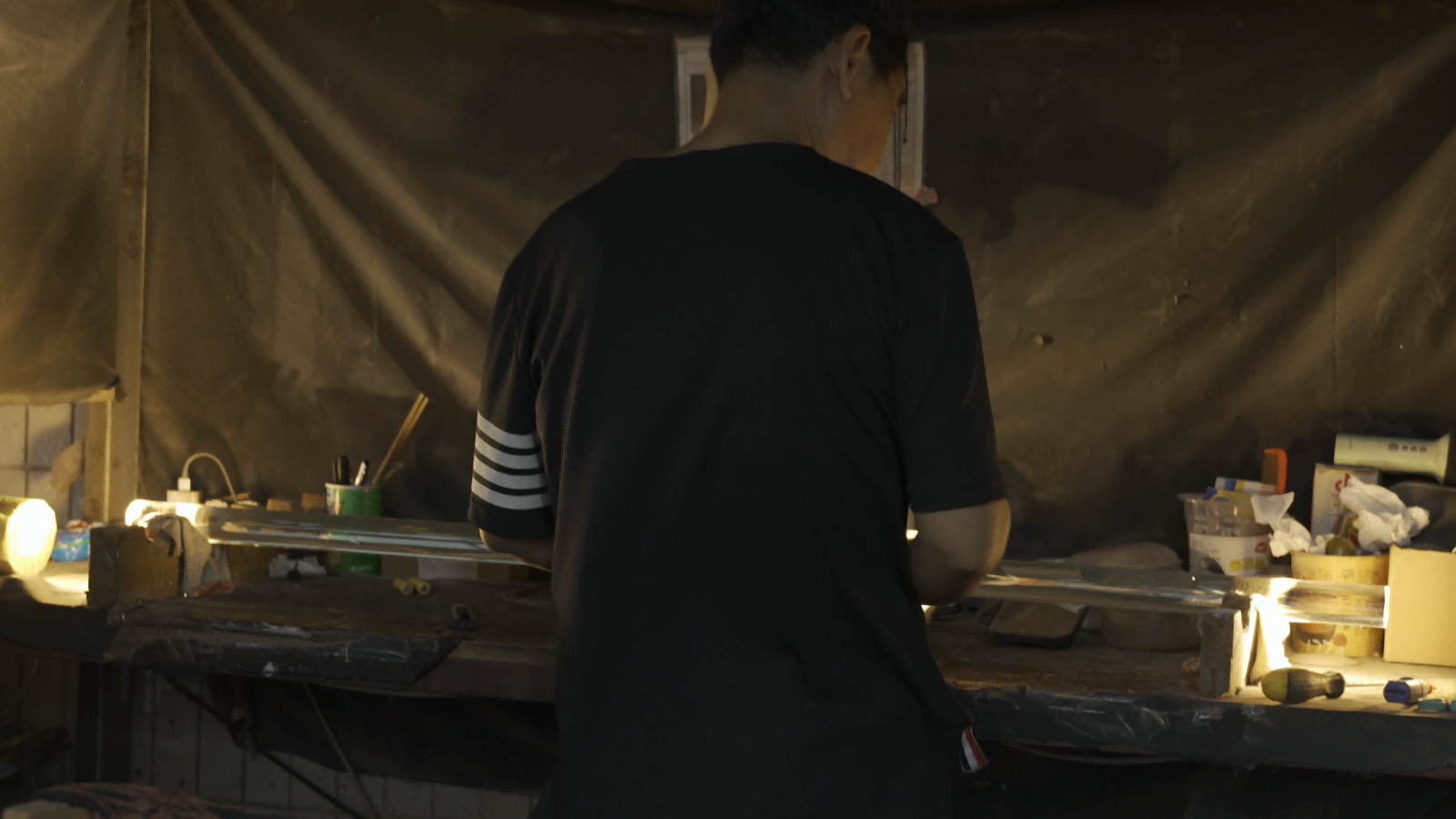
Light transmission detection screening
Place the glass rod vertically in front of the light source and rotate 360° to observe the uniformity of light transmission.Rejection criteria: bubbles > 0.05mm, stones, stripe distortion.Marking and re-cutting: Mark the defective section with an oil pen, and retain the qualified part after cutting.
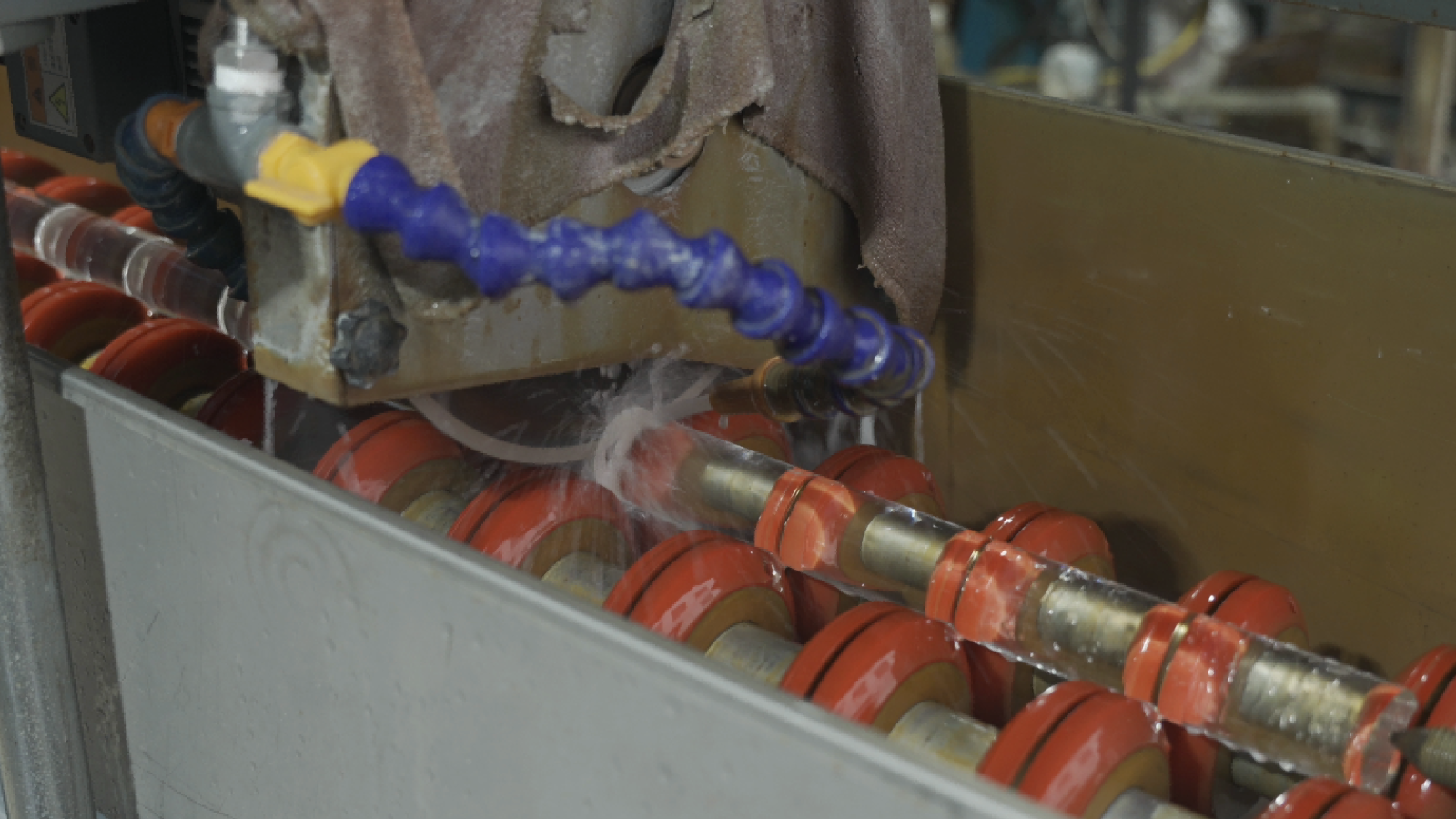
Cutting glass rods
Cut with a diamond scribing knife, The cut is polished with butane flame (1300°C instantaneous burning to eliminate microcracks).
Quality inspection
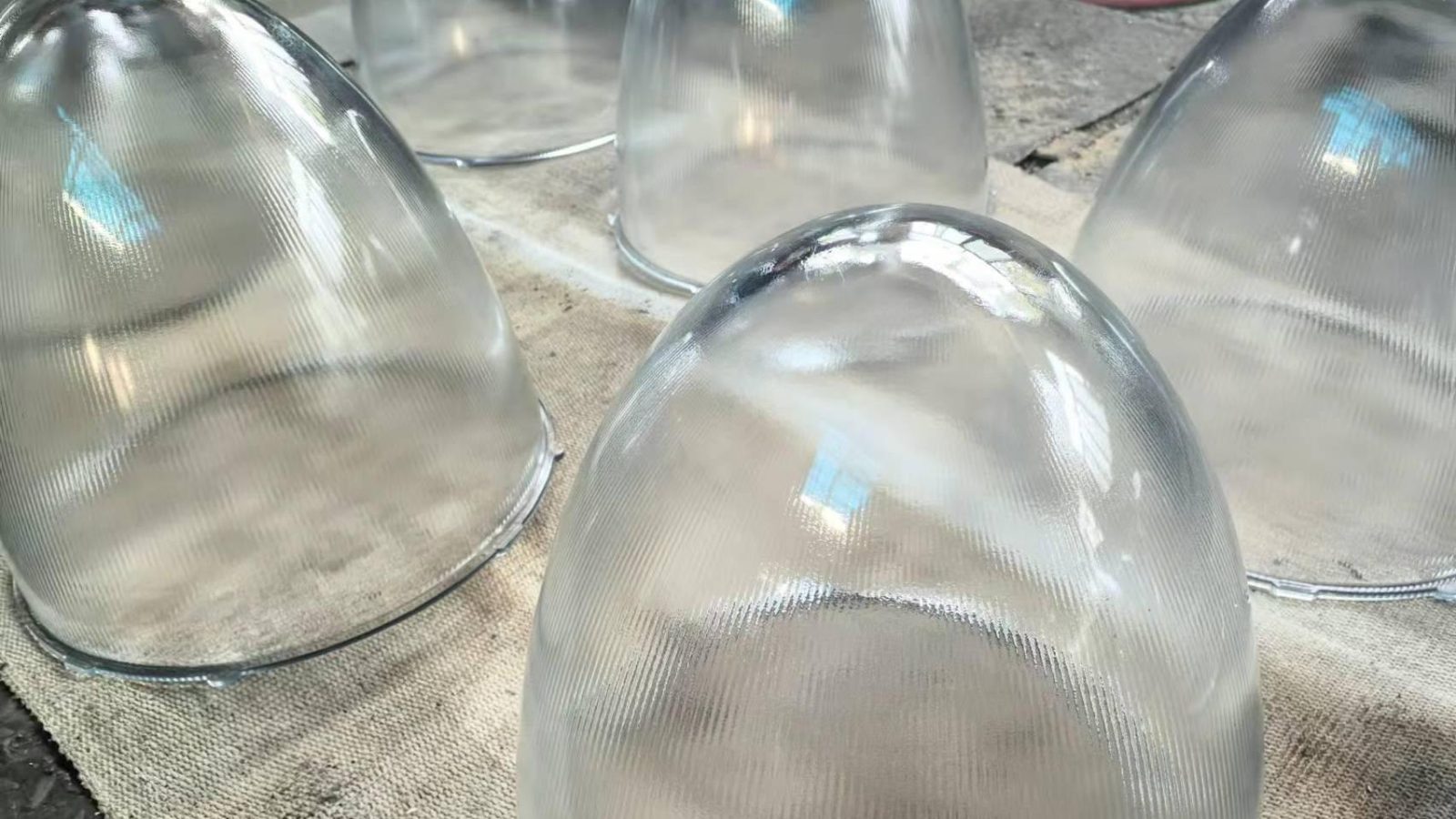
After demolding, glass products undergo a series of inspections, including appearance, size, surface finish, and internal defects. Any unqualified products are returned to the furnace for remelting.
Annealing treatment
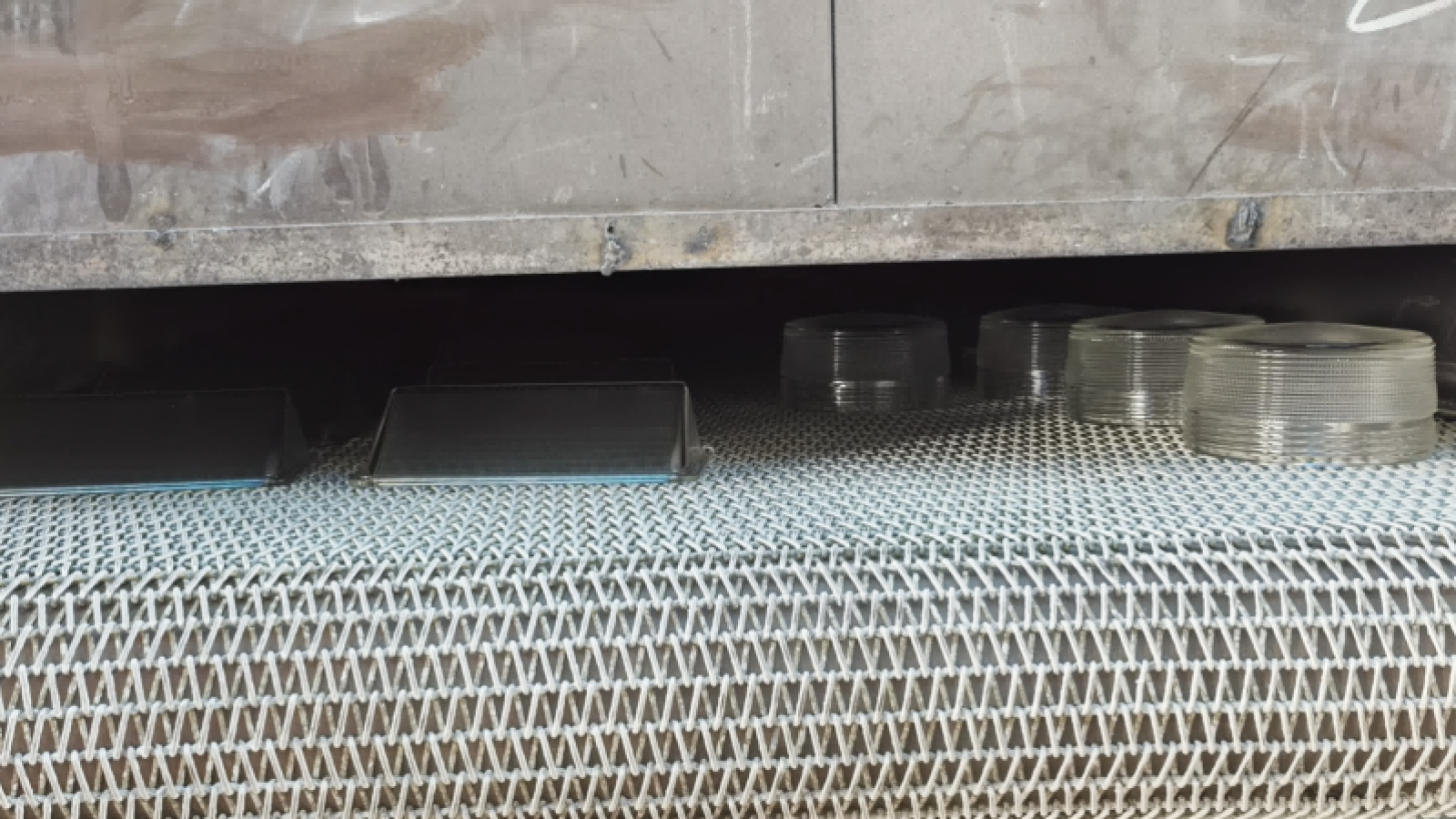
The internal stress of the glass is eliminated through gradient cooling to prevent cracking or deformation caused by excessive cooling, thus ensuring the structural stability of the finished product.
Fire polishing
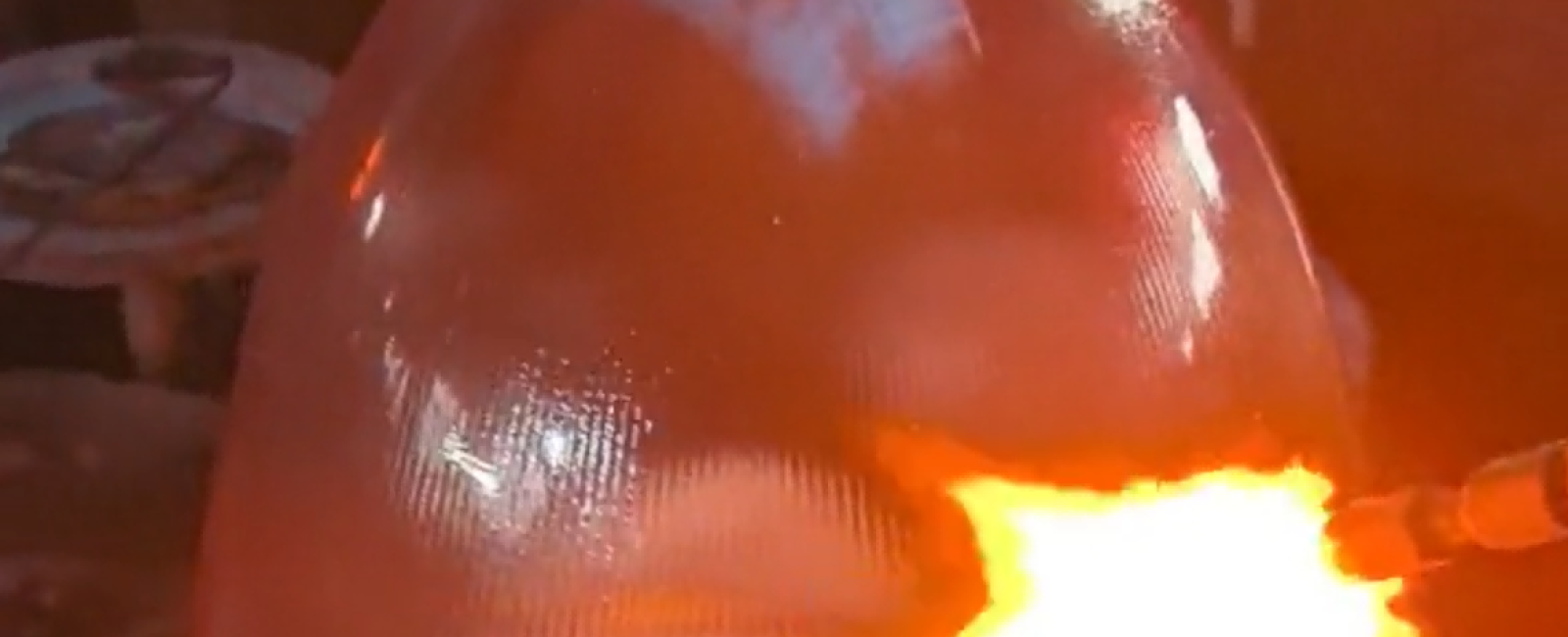
Flame polishing is a sophisticated process that uses high-temperature flames to instantly melt the glass surface to eliminate microscopic defects, which can significantly improve the smoothness and light transmittance of glass products.
Cutting
BO-GLASS masters advanced glass cutting technologies, specializing in laser and waterjet precision machining for bespoke glass components. Our China-based manufacturing center integrates state-of-the-art CO₂ laser cutters (±0.1mm accuracy) and ultra-high-pressure waterjet systems (60,000+ PSI) to handle intricate geometries, thick borosilicate glass, and multi-layer composites.
Edging
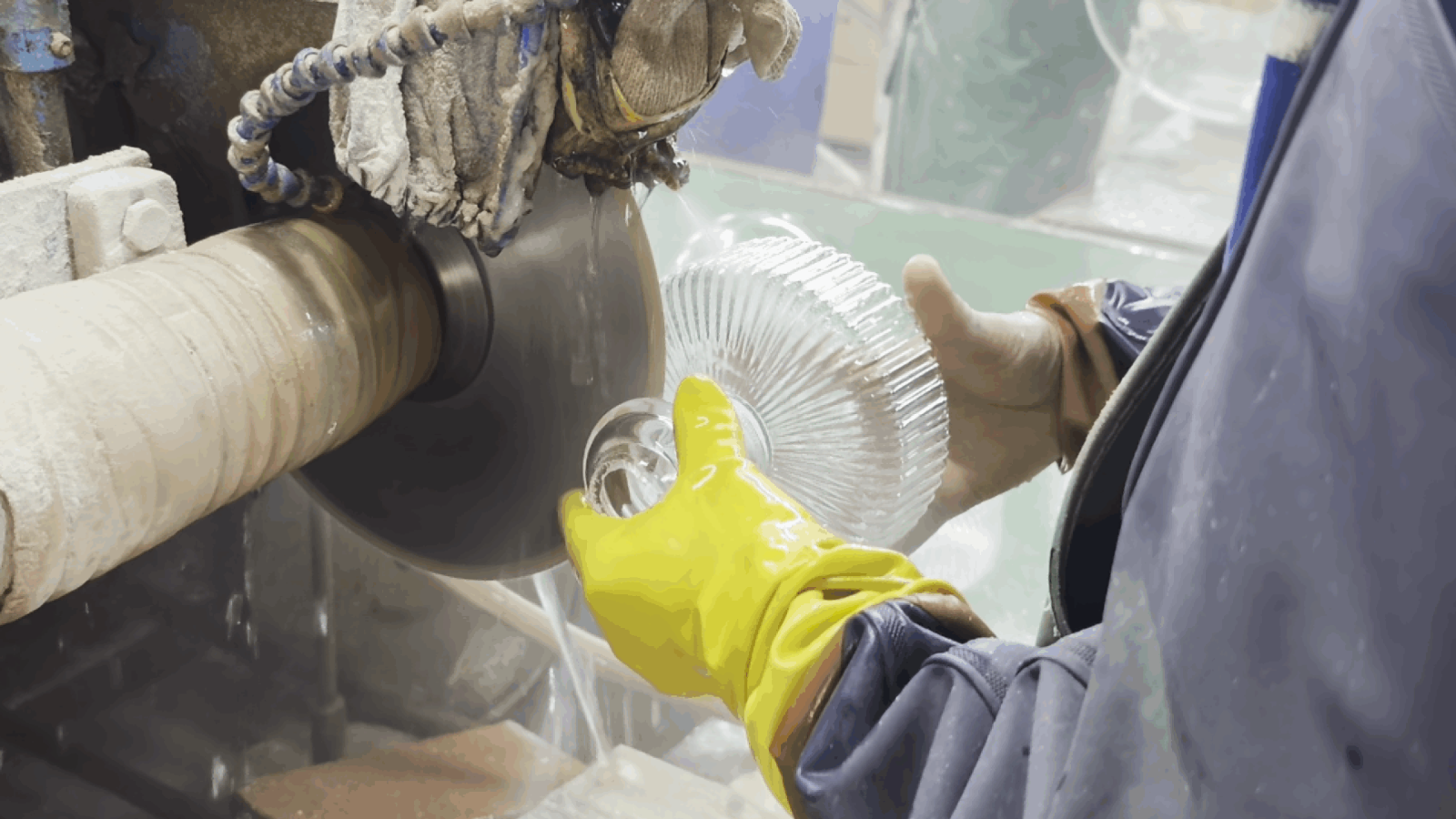
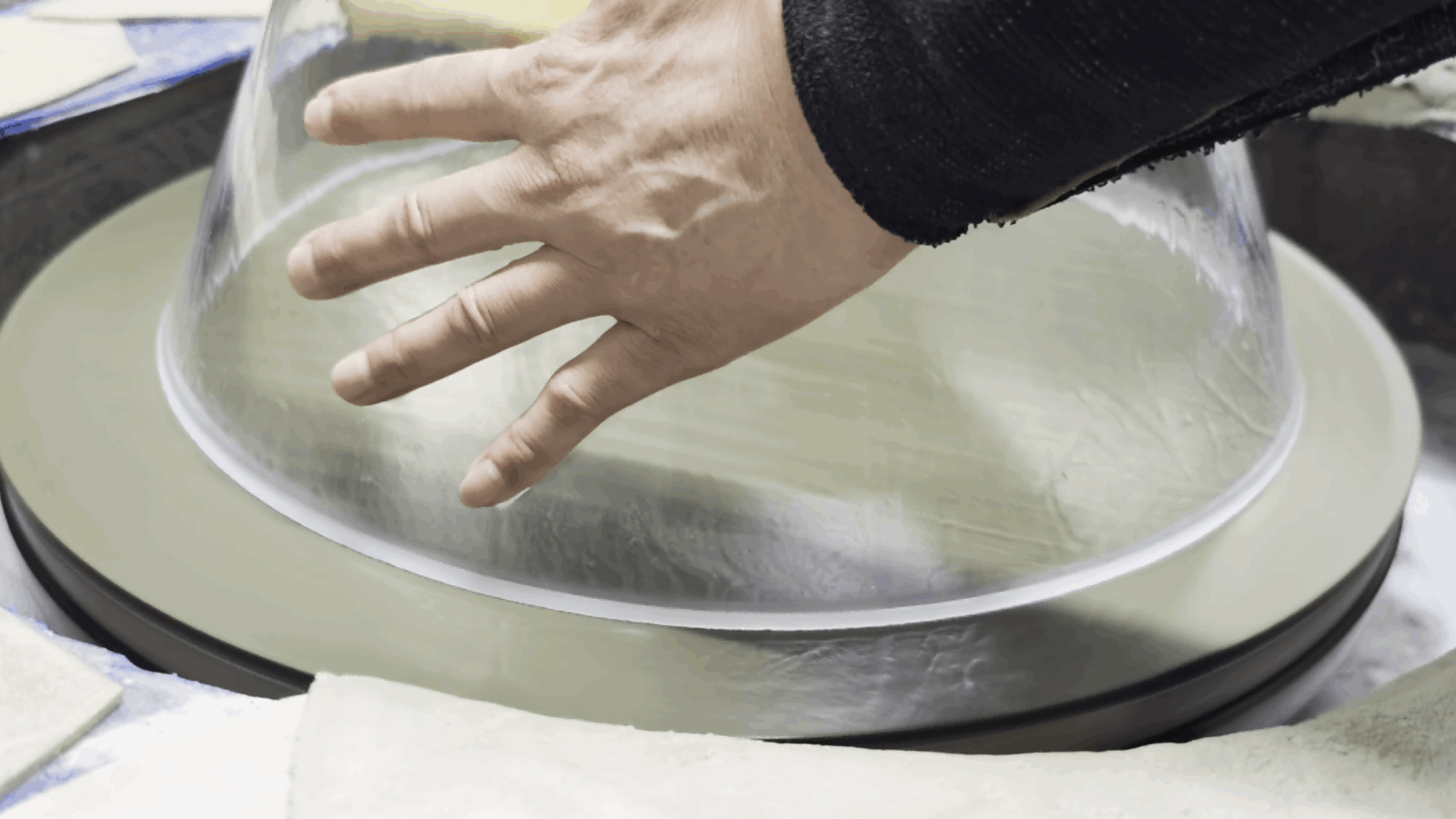
BO-GLASS uses multi-stage precision grinding technology to quickly remove unevenness and processing residues on the glass surface, ensuring accurate product size and consistent shape. From initial shaping to fine finishing, we use intelligent process control to achieve efficient production, reduce material loss, and provide a uniform and delicate base surface for subsequent polishing.
Chamfer
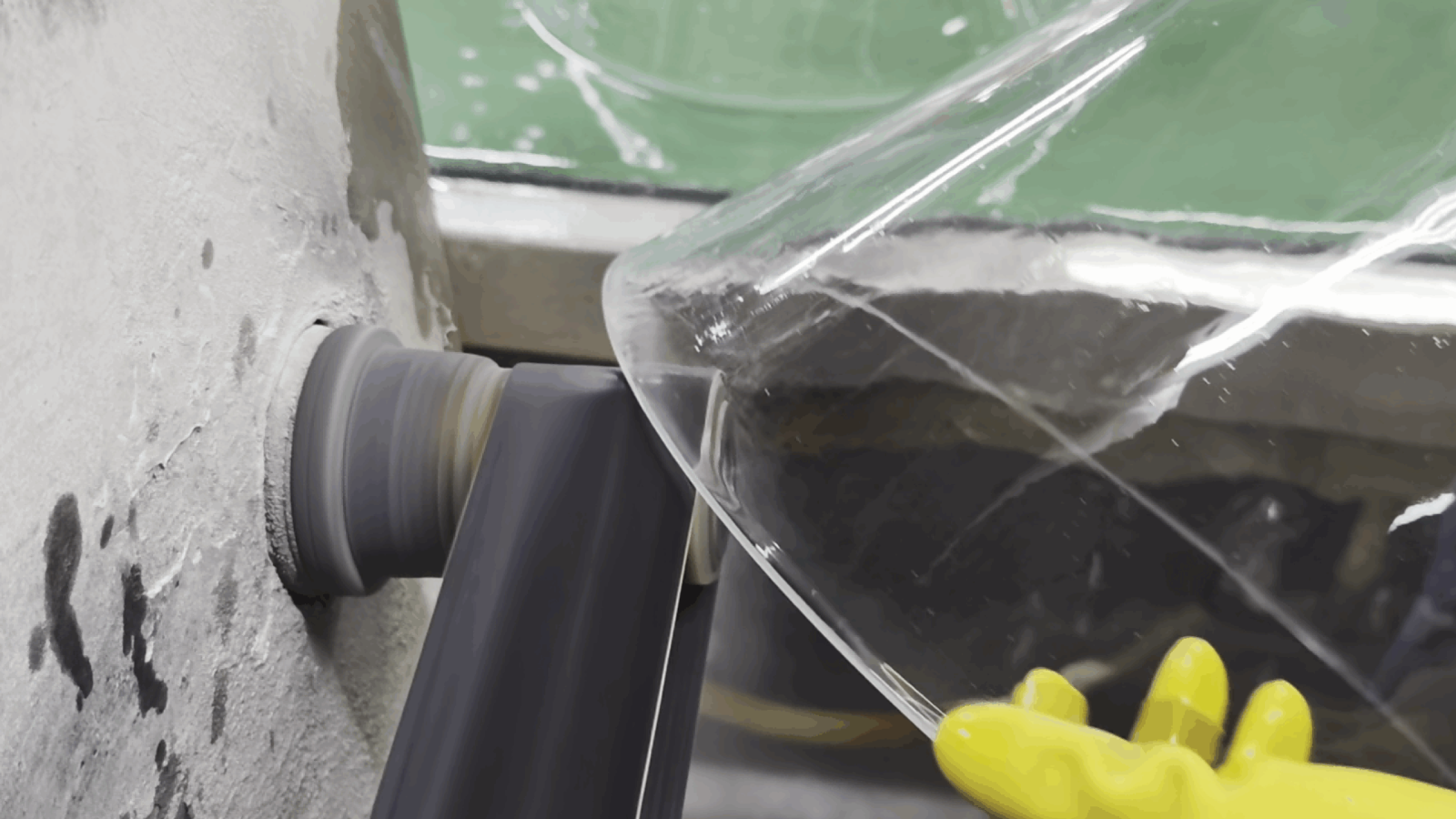
Glass edges aren’t just about looks—they keep you safe and make glass last longer. Rough edges can cut you or weaken the glass, causing cracks. At BOGLASS, we fix that.Using high-tech machines, we shape glass edges to be perfectly smooth, angled, rounded, or flat—whatever your project needs. No sharp corners.
Cleaning
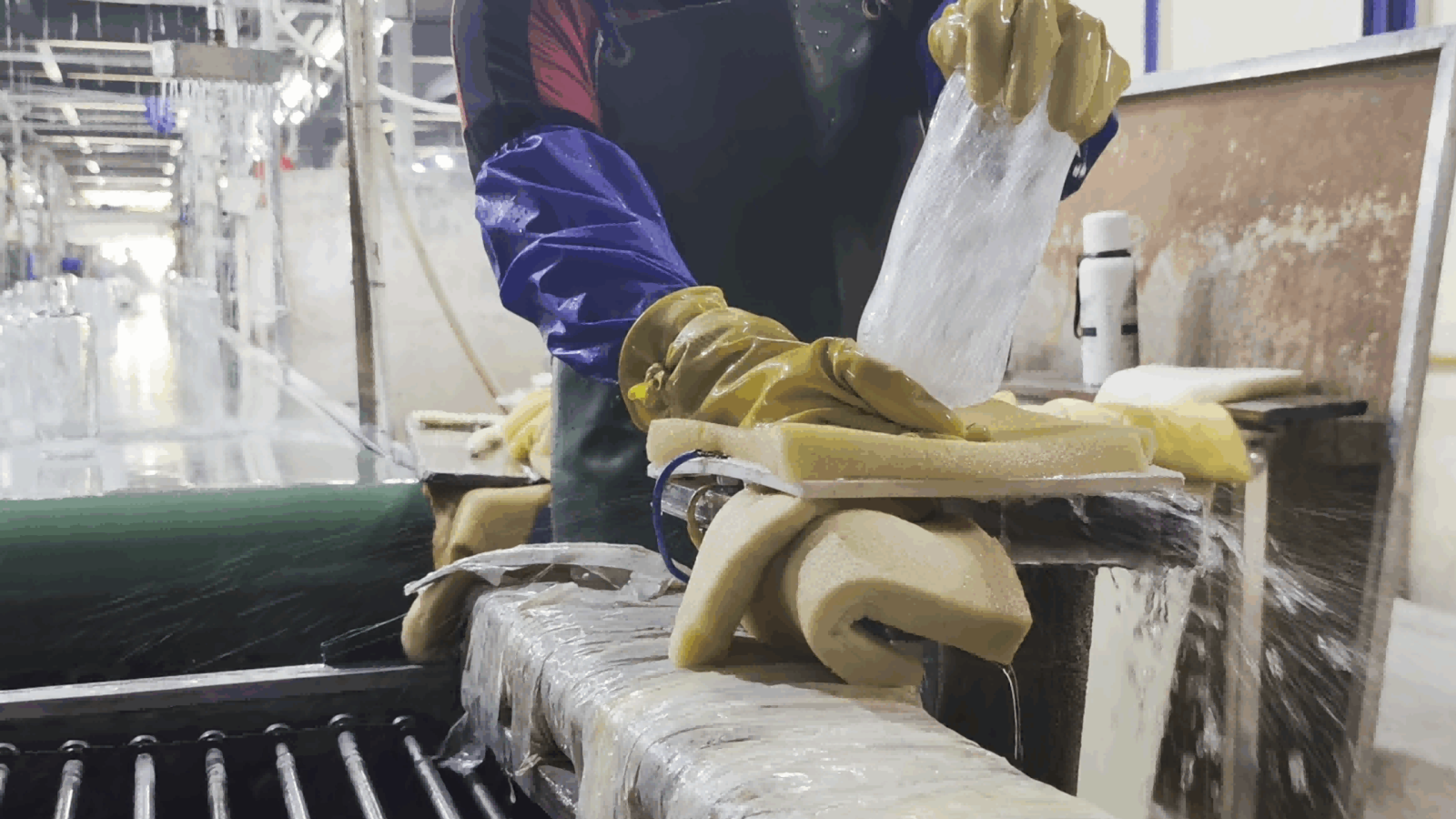
Glass surfaces exposed to the atmosphere are generally contaminated. Any useless substance and energy on the surface is a pollutant, and any treatment will cause pollution. Surface pollution can be gas, liquid or solid in terms of its physical state, and it exists in the form of film or particles.
Quality inspection and packaging
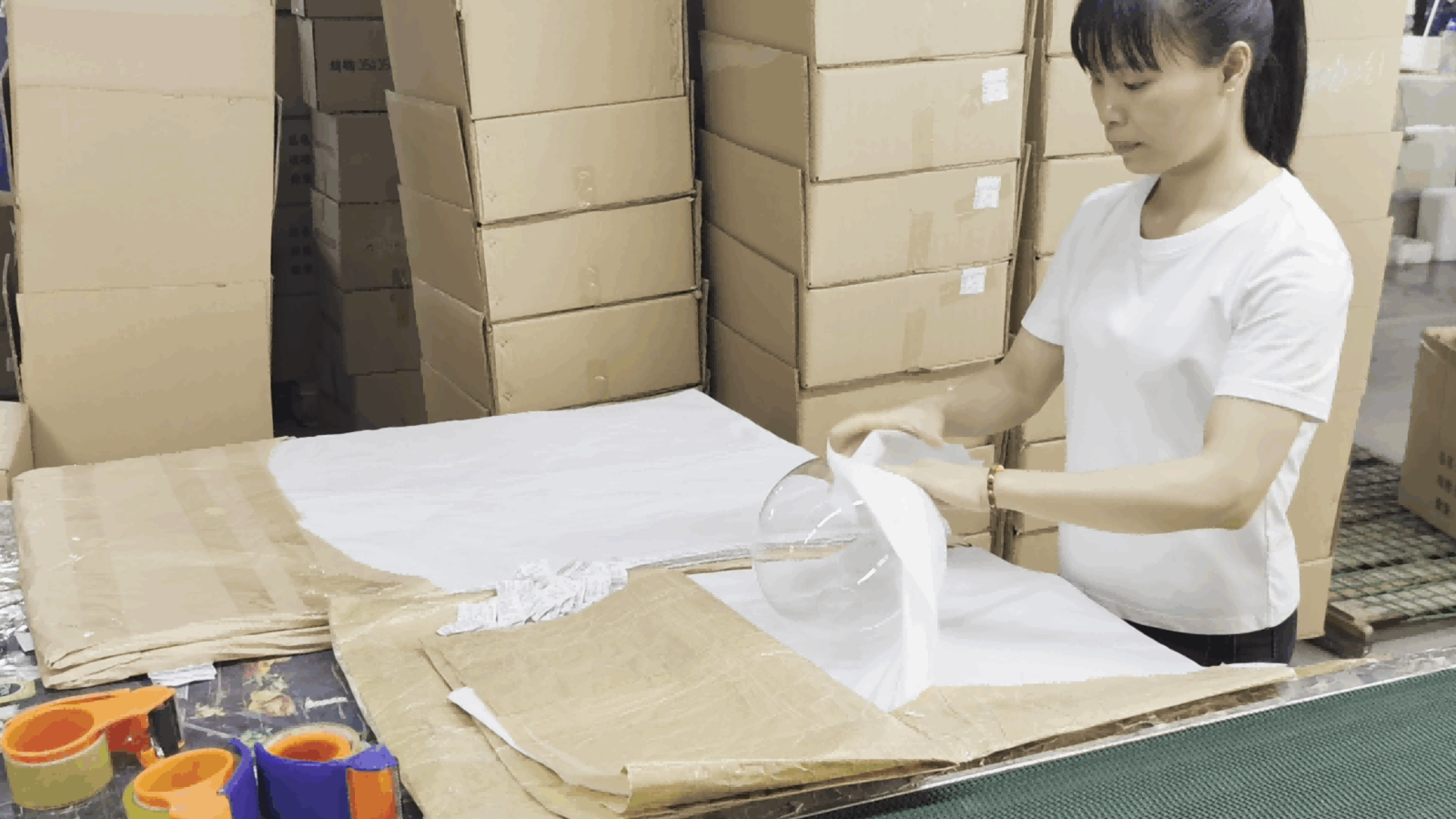
Our team of highly-trained packaging specialists will expertly craft premium-quality packaging solutions that showcase your products in their most elegant light.
Order Process
Talk With US
BOGLASS dedicated to being the supplier you choose for your custom Glass fabrication. From volume production to prototype, we will meet any require specifications at the most cost effective solution.
- Free quotes and design consultations
- Comprehensive brochure you can download
- Worry-free returns
- OEM&ODM
- Fast Respond Or enthusiasm
- Rapid Production
- Low MQQ
SEND US AN EMAIL
sales@bo-glass.com