
Clear glass lamp shade
Your Reliable Glass Fabrication Solutions Expert
Custom Glass Fabrication Is Our Hallmark of Success
View some of the custom opal glass lamp shade we have worked on.


TG001-Hand blown Bubble Effect Clear glass Lamp Shade


TG002-Antique bell glass fan-shaped lampshade


TG003-Replacement Vintage Clear Glass Globe Shade


TG004-Square Mission Style Lamp Shade Frosted
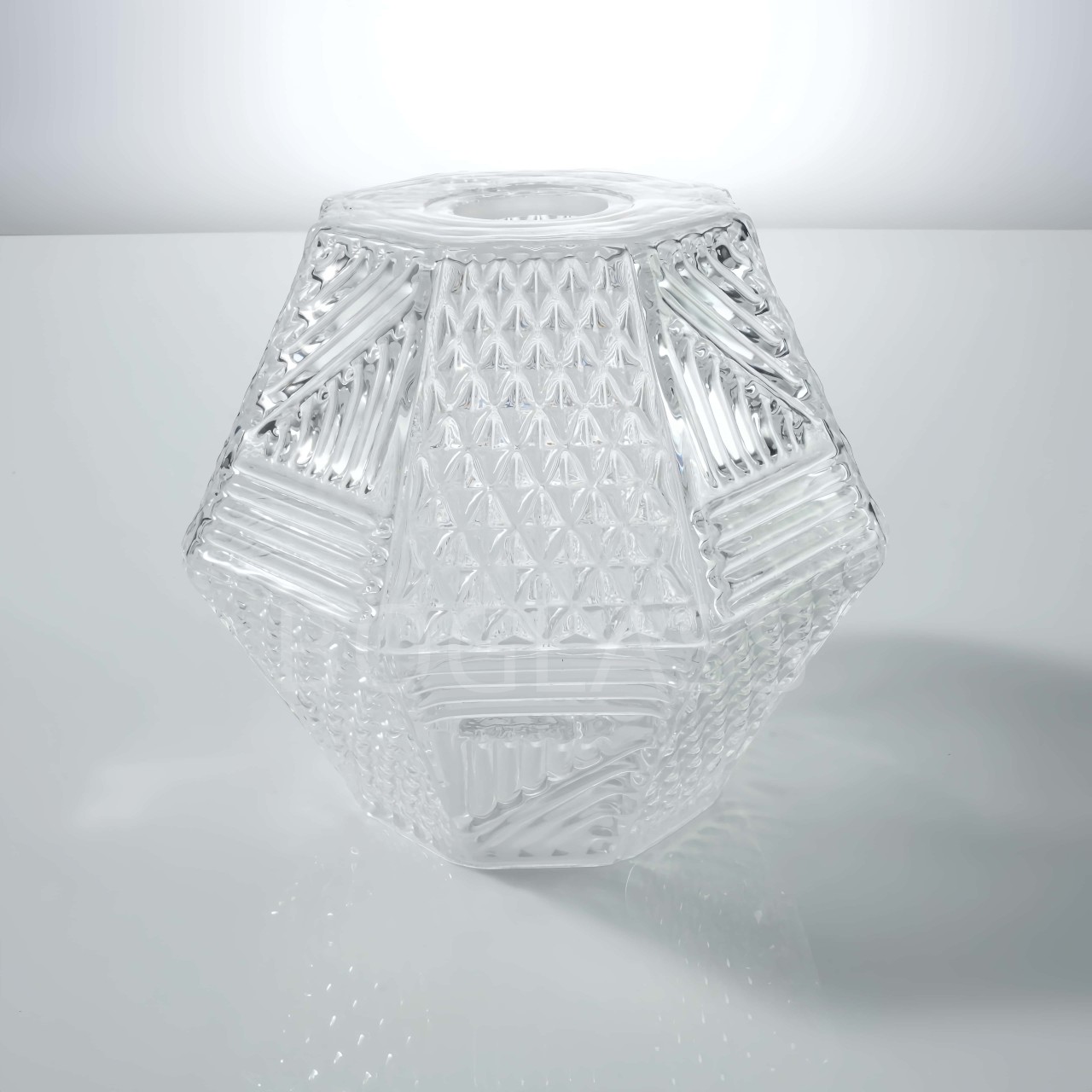
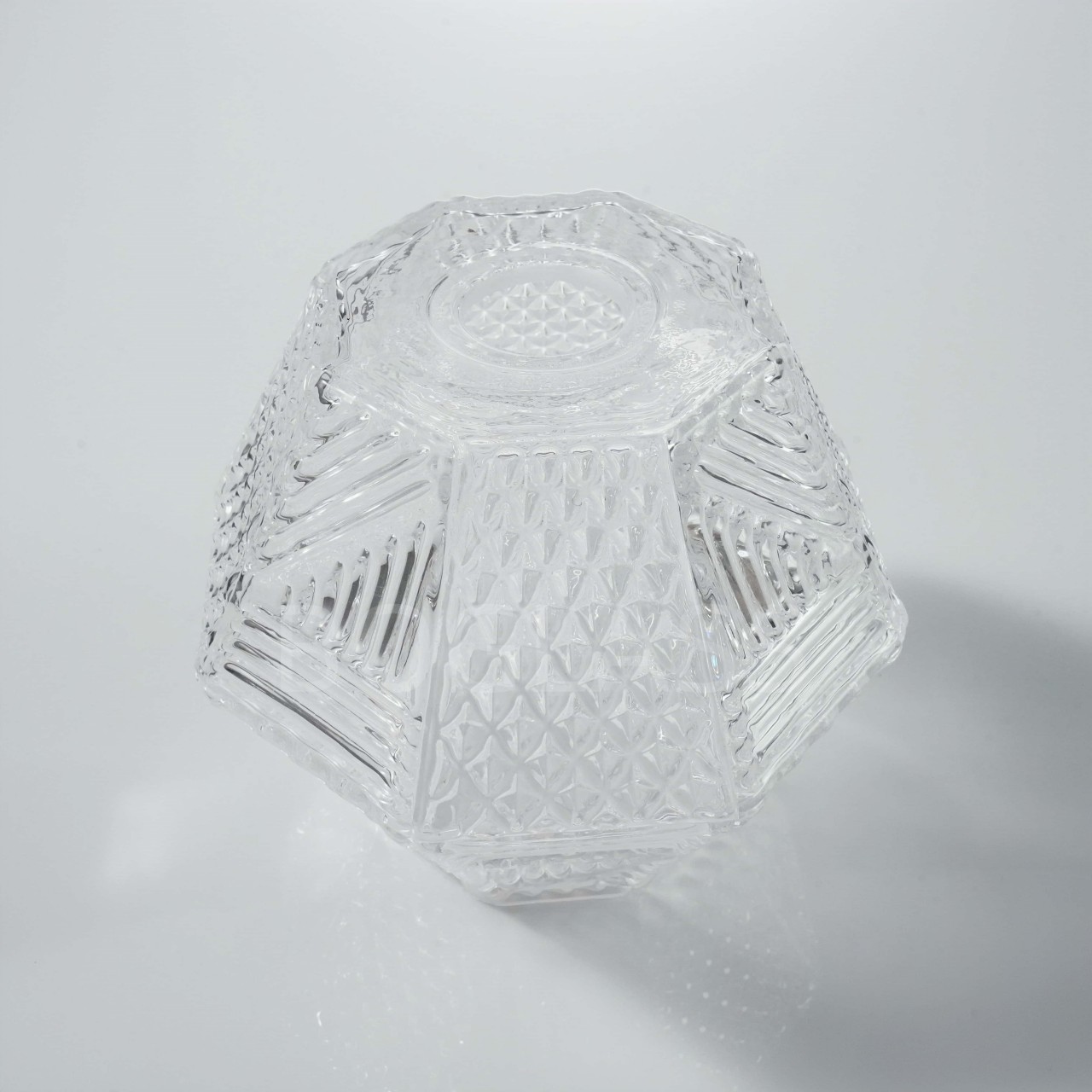
TG005-Square Mission Style Lamp Shade Frosted
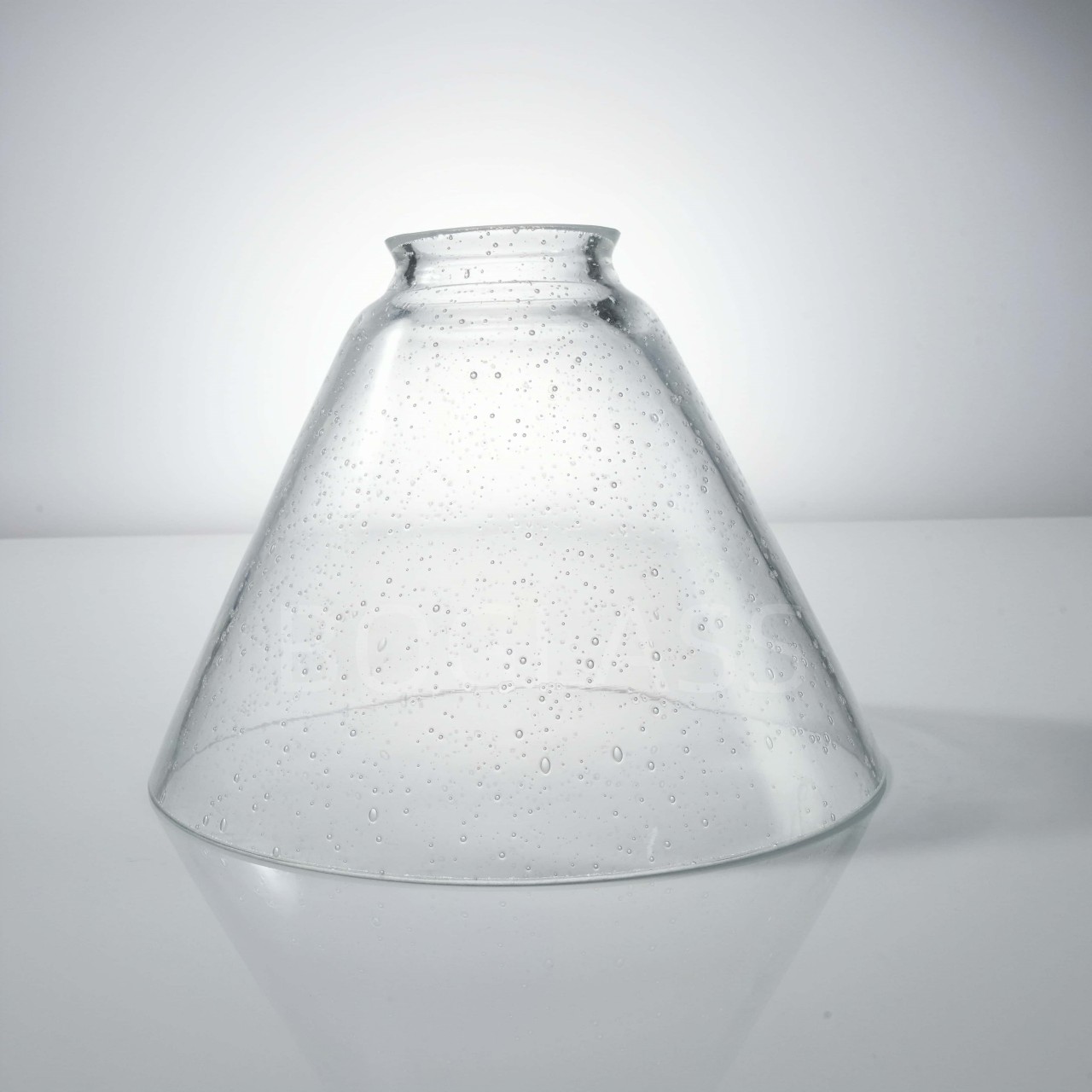
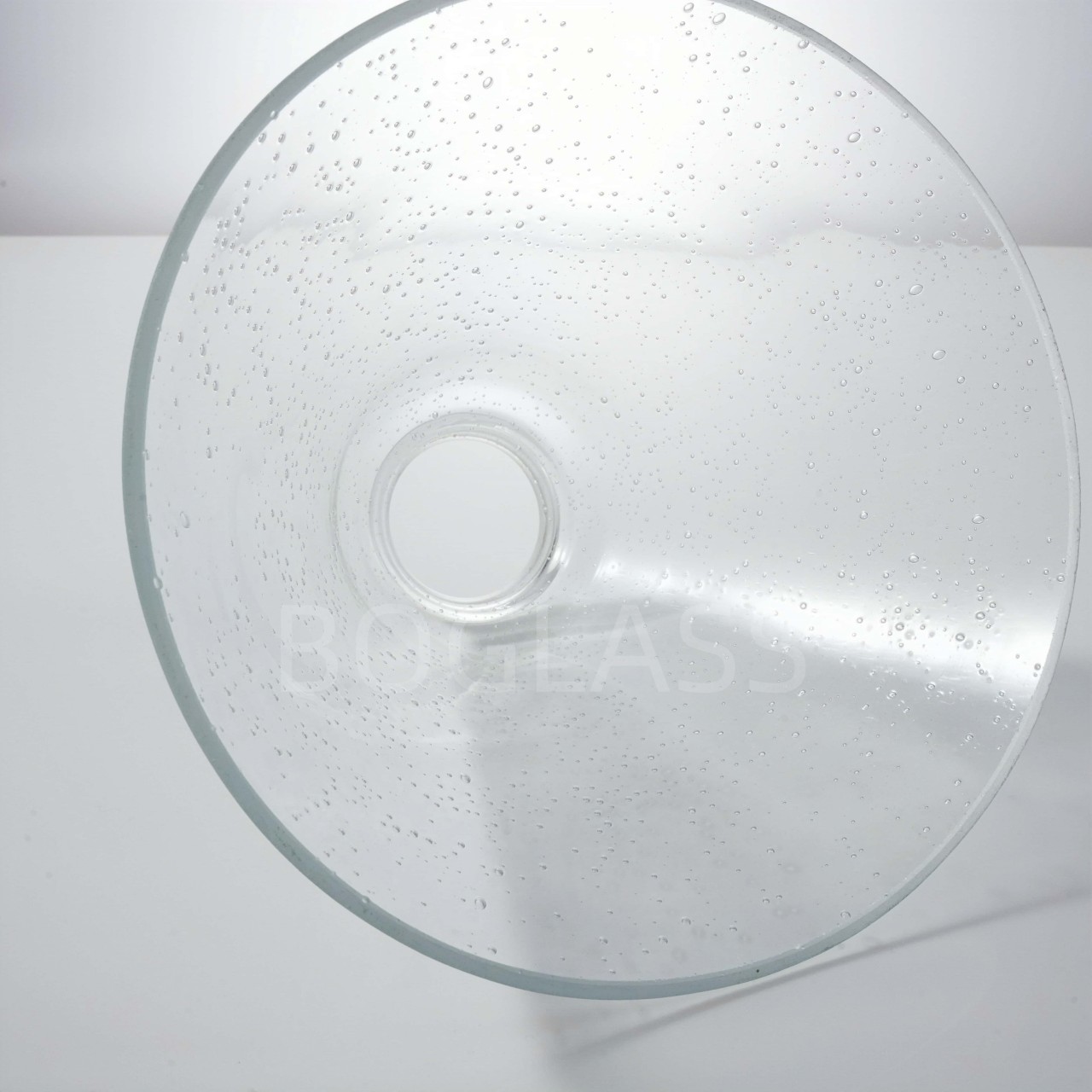
TG006-Transparent bubble glass lampshade
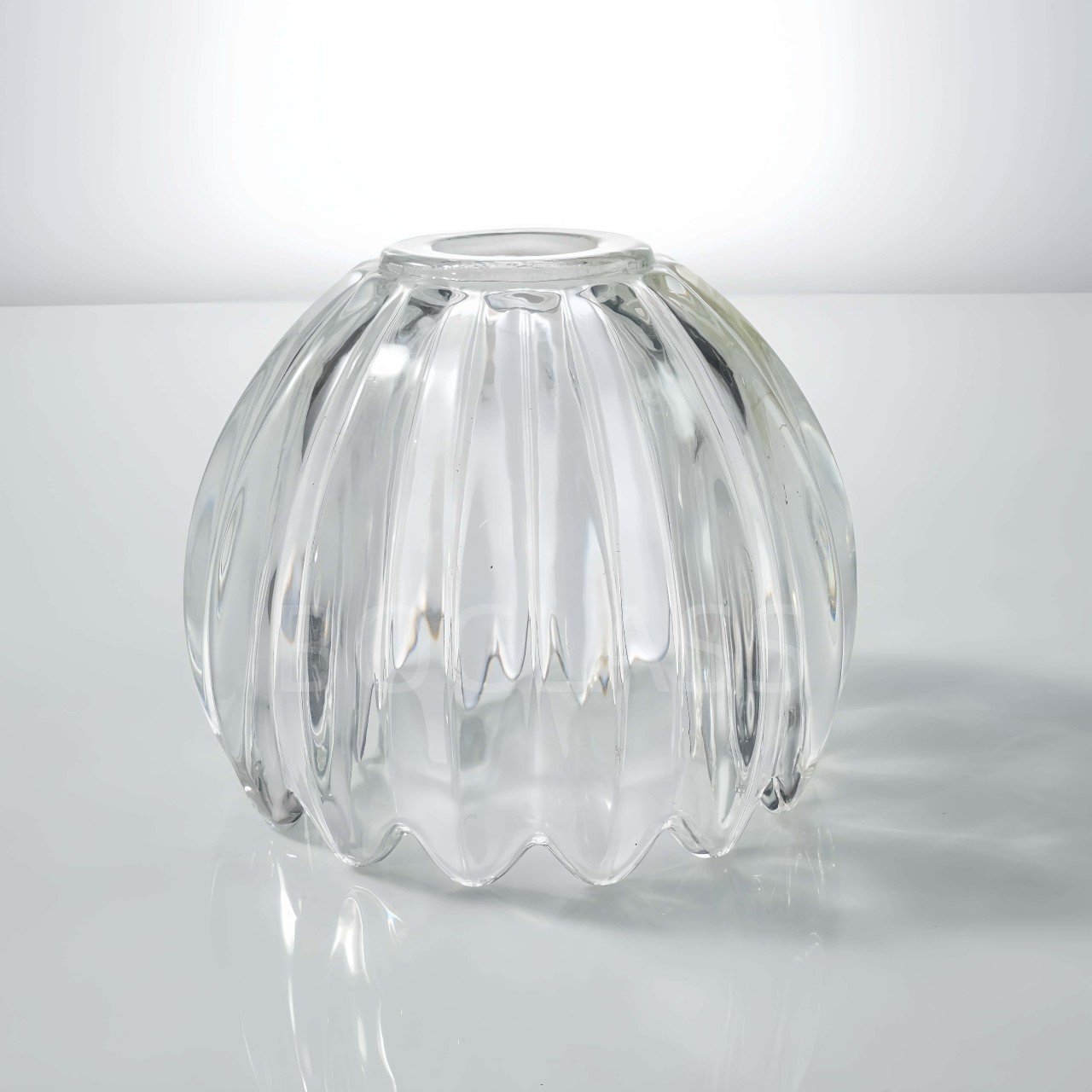
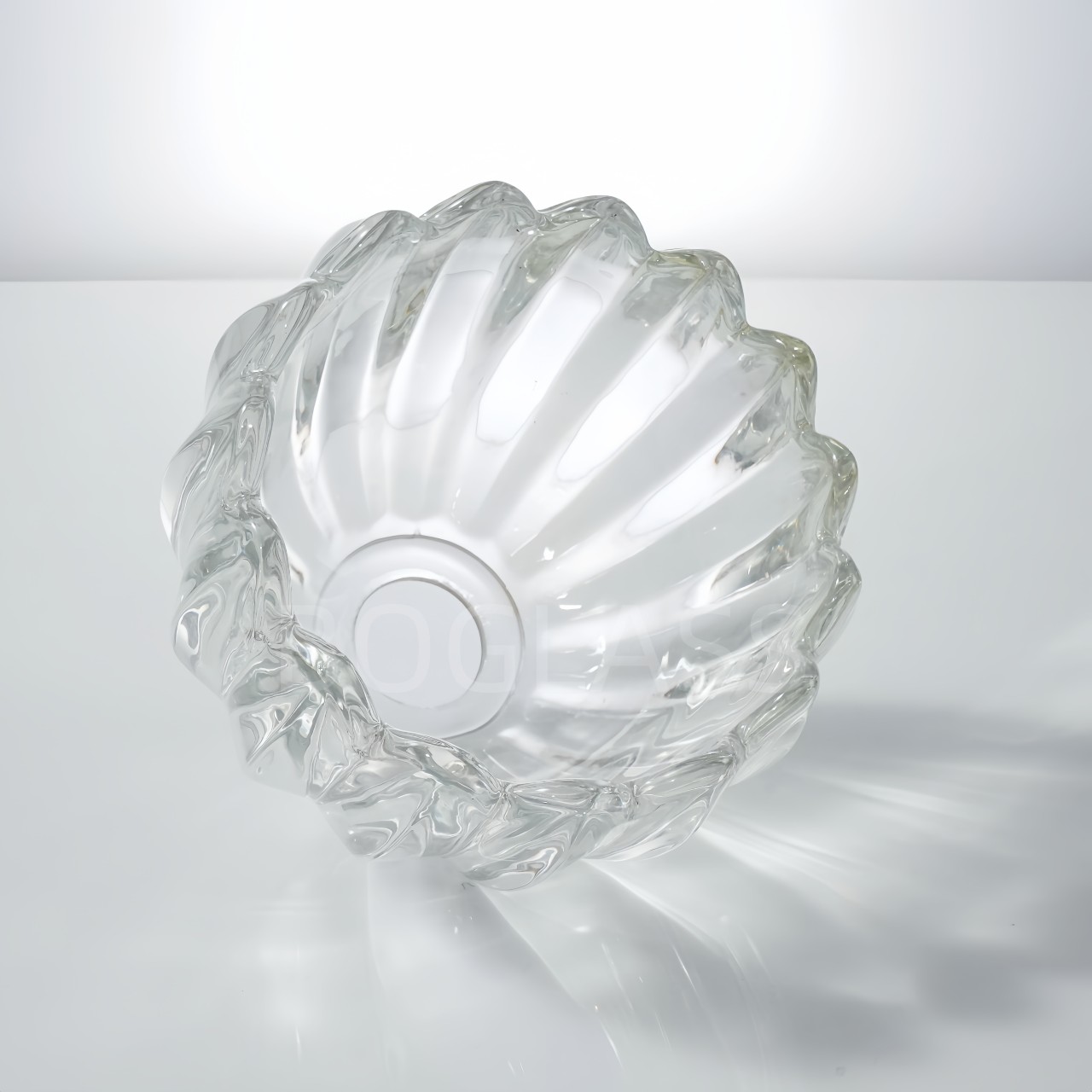
TG007-Flower shaped transparent glass lampshade
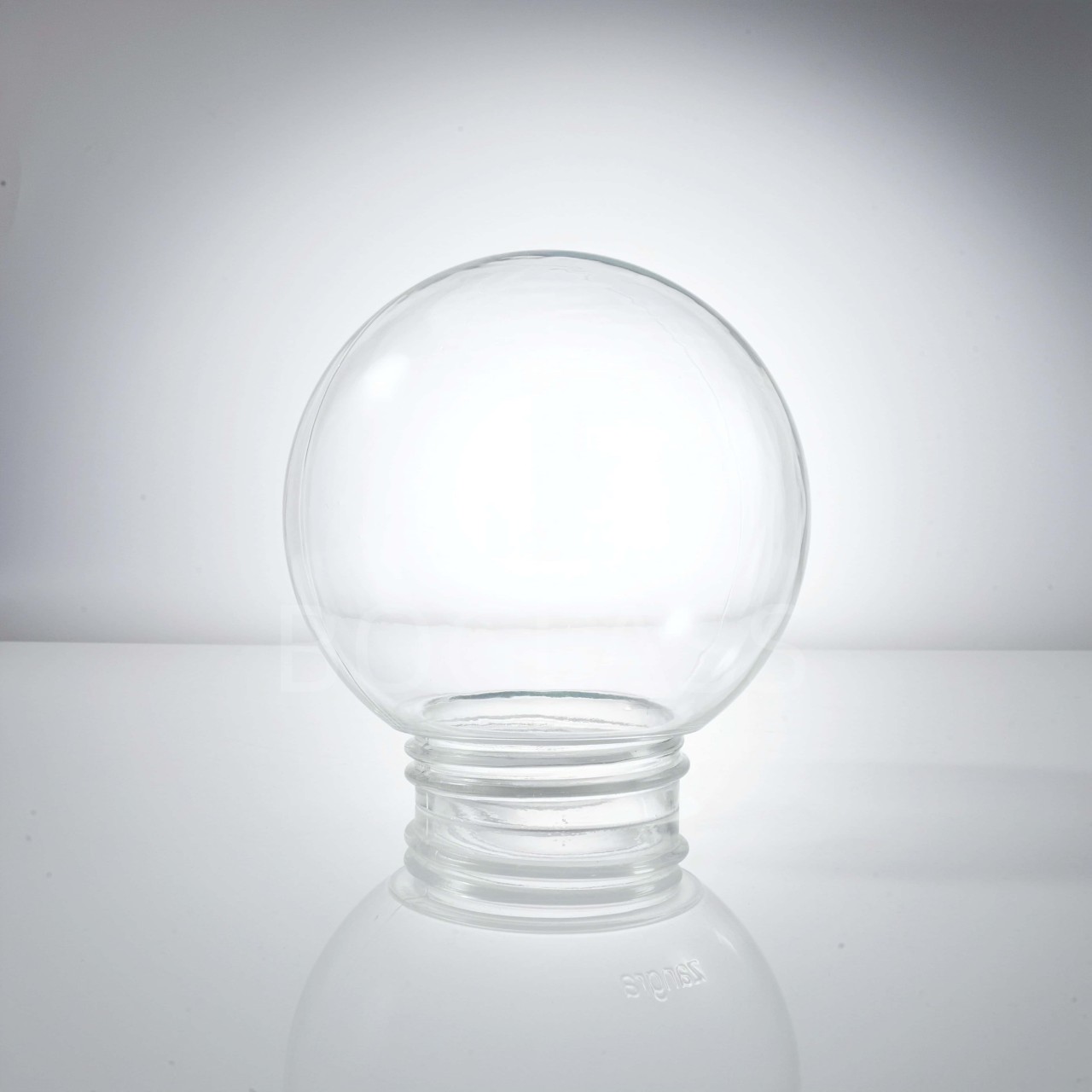
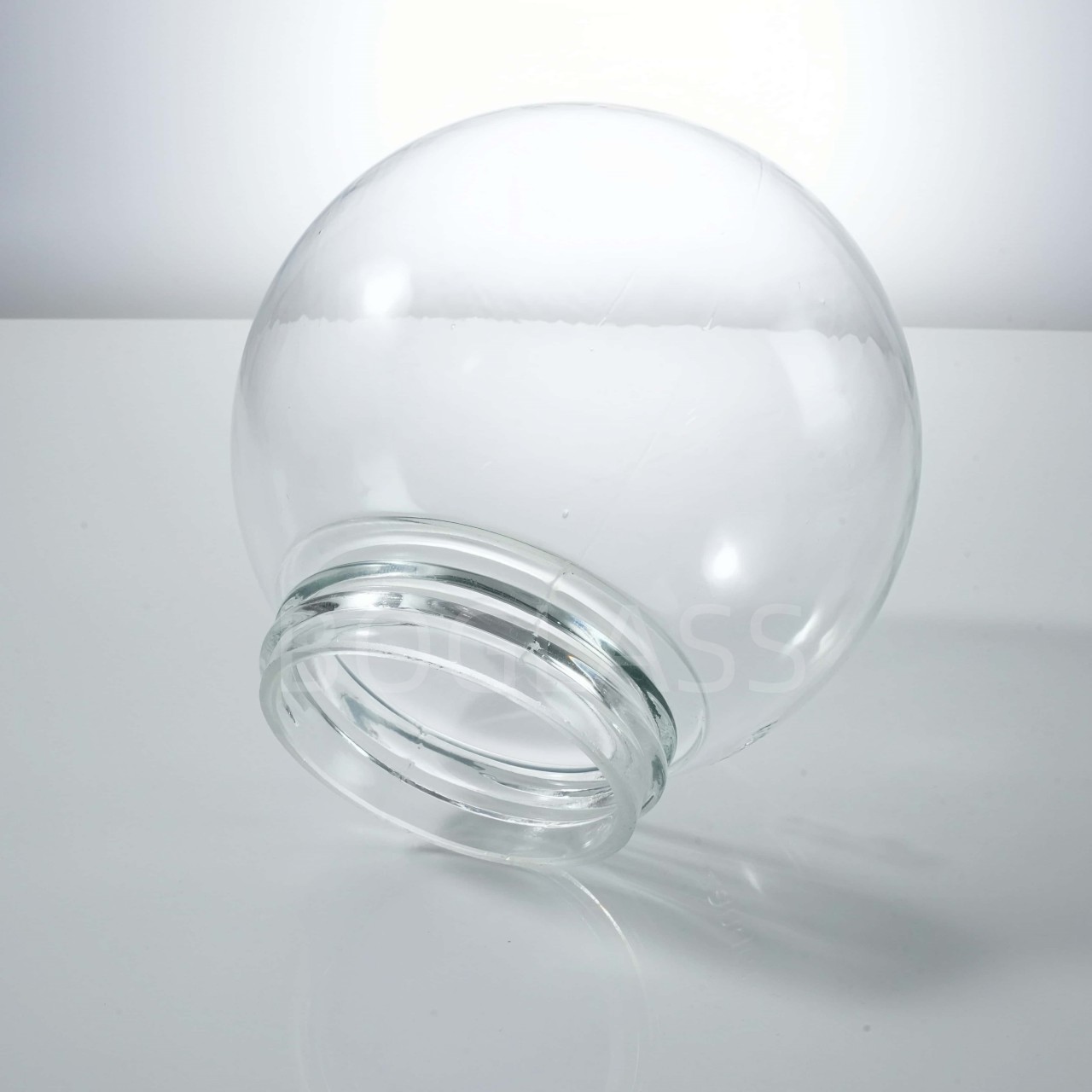
TG008-Classic round transparent glass lampshade
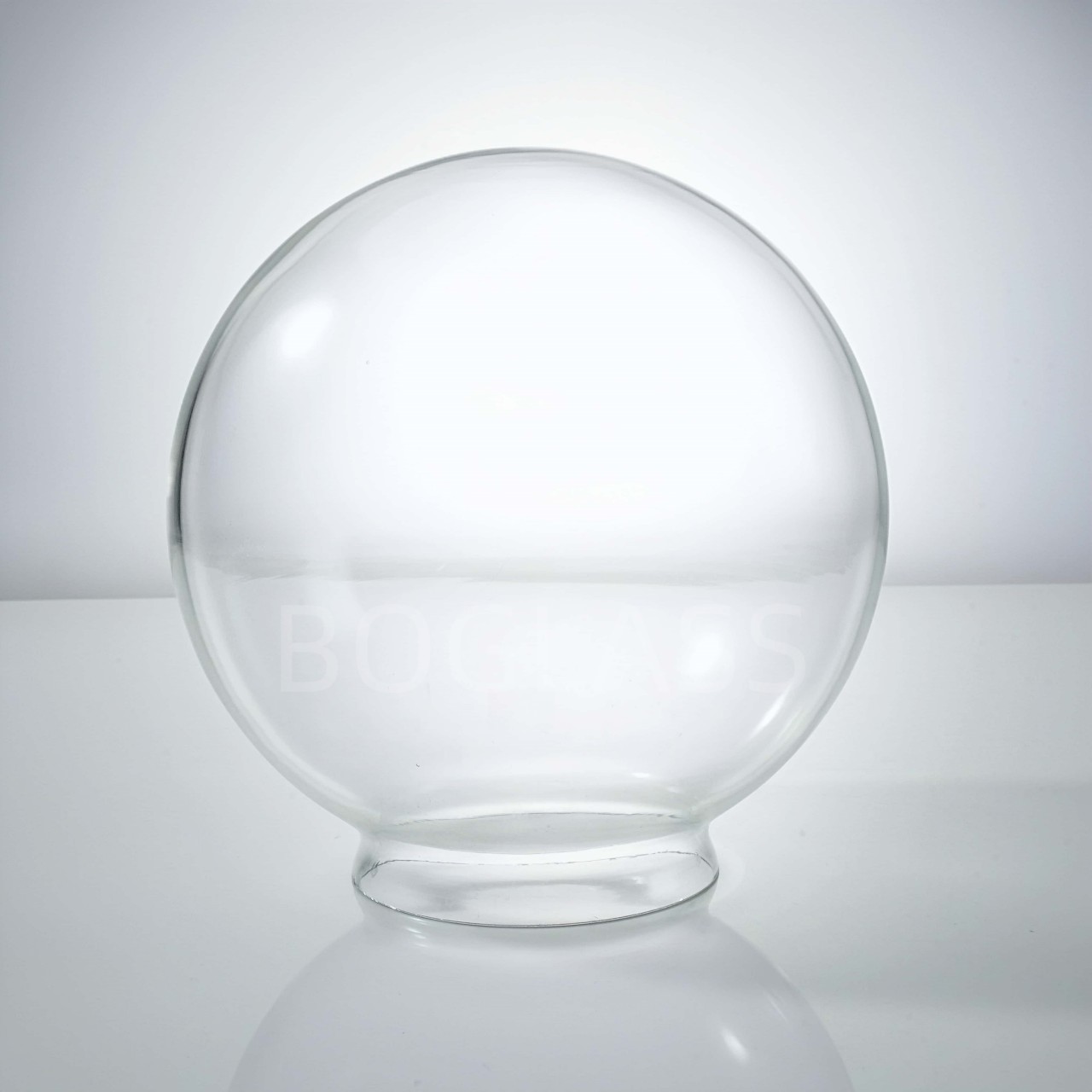
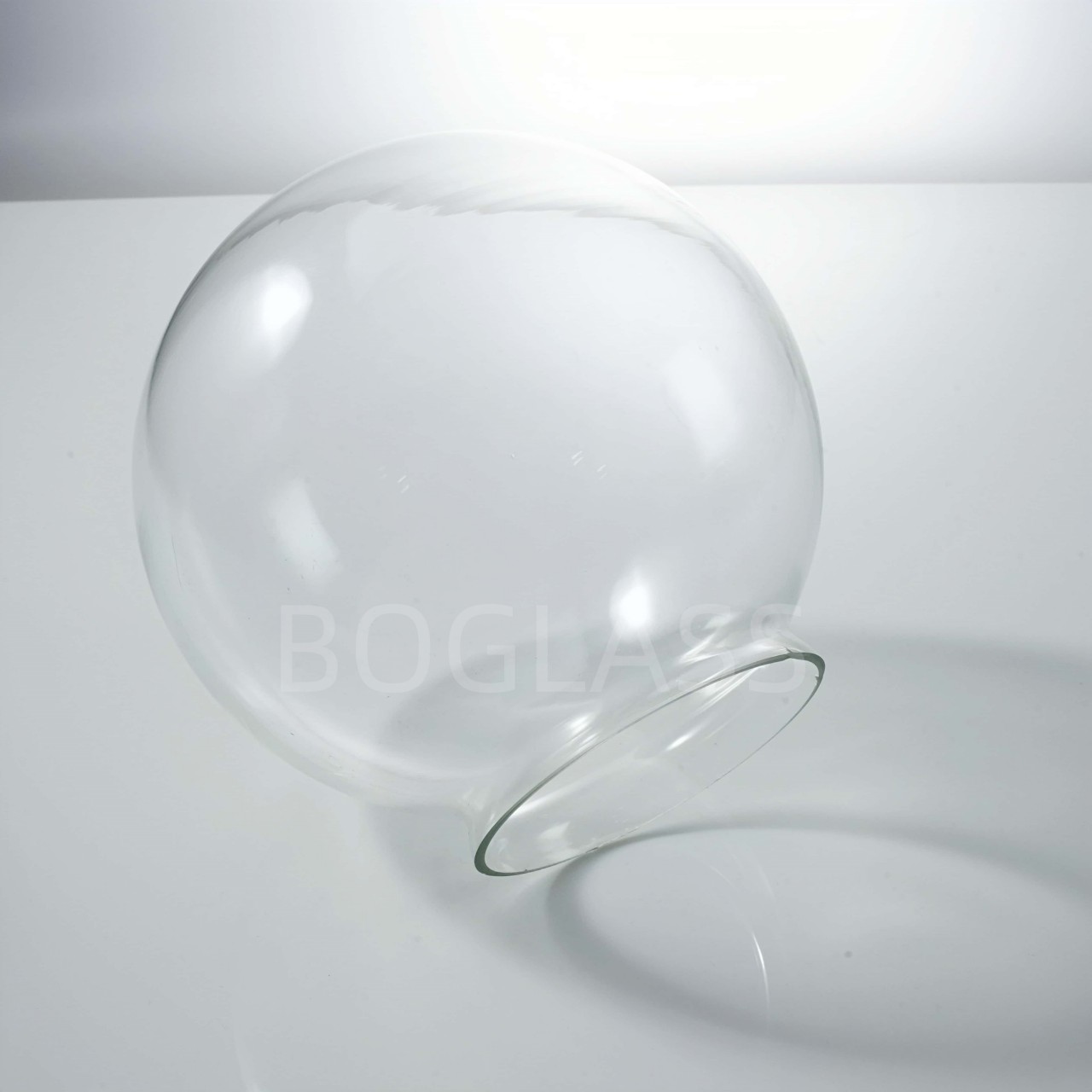
TG009-Classic bayonet transparent ball lampshade
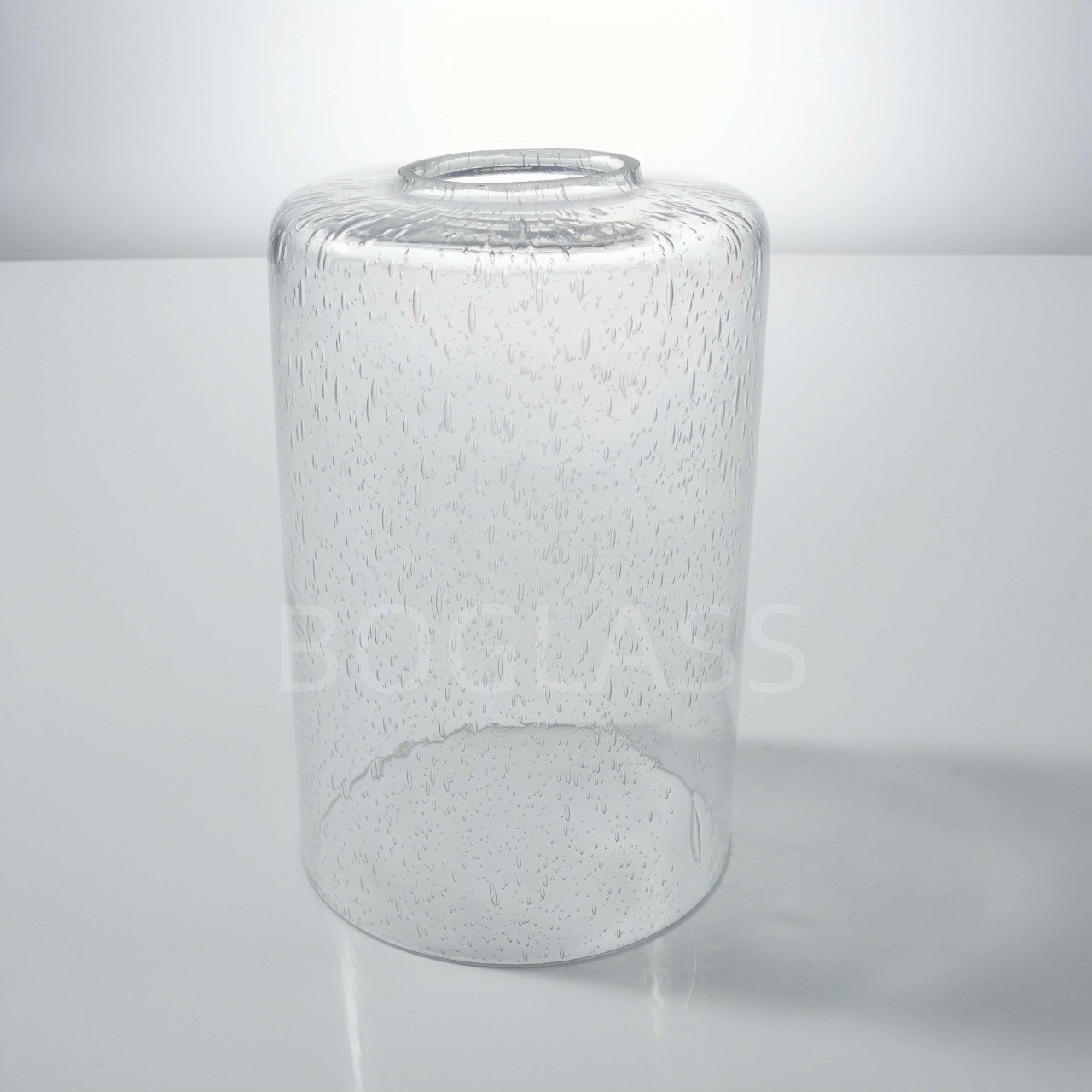
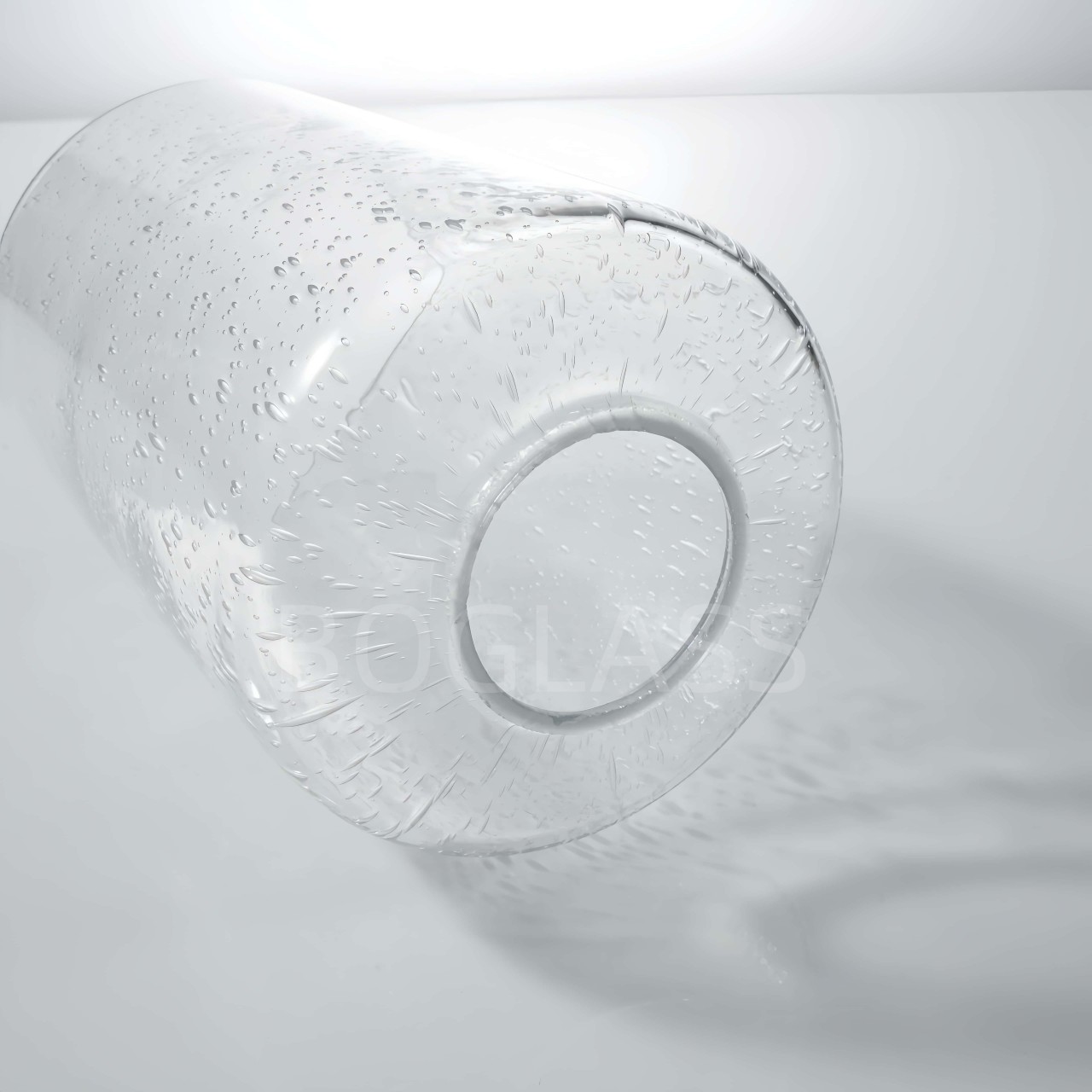
TG010-Transparent cylindrical bubble lampshade
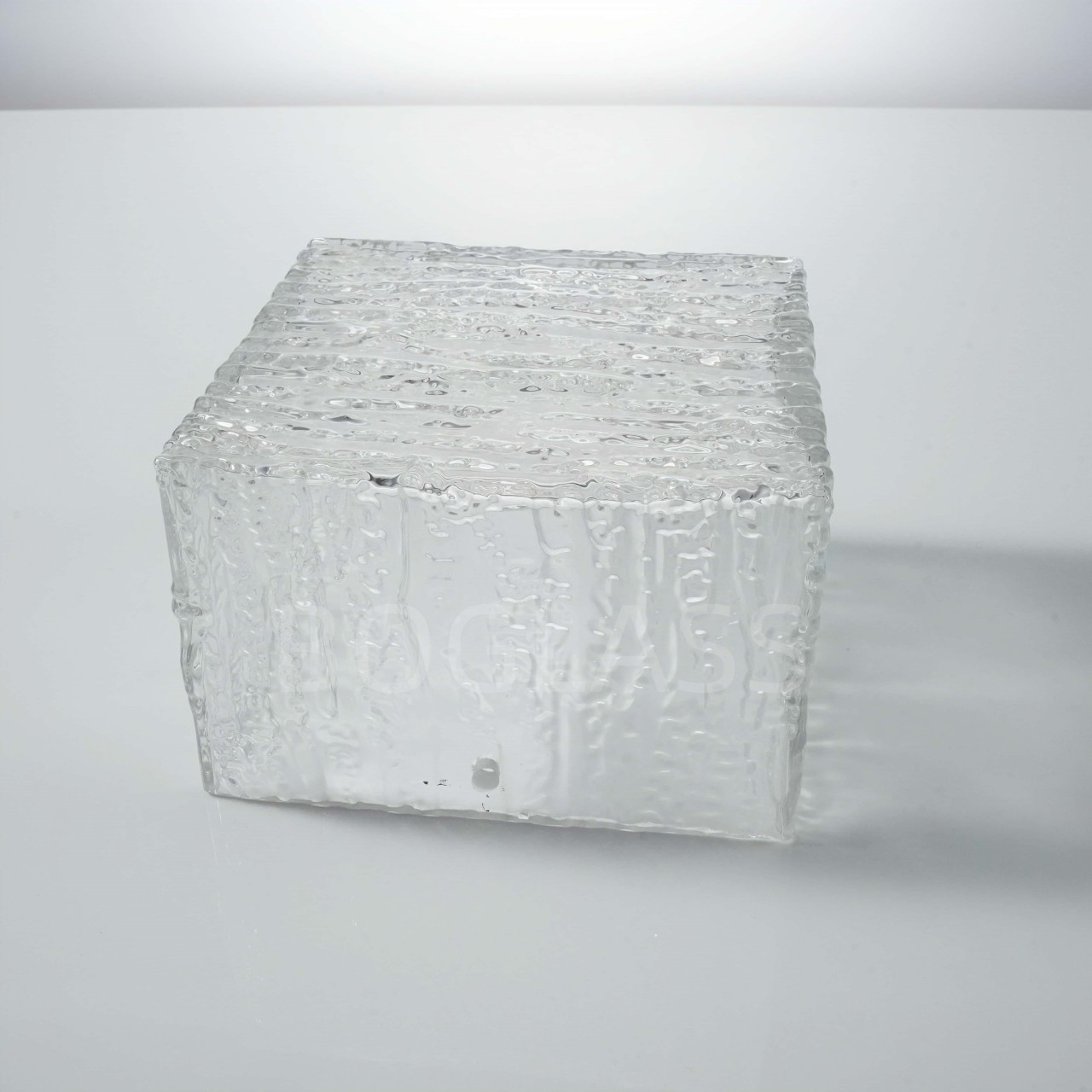
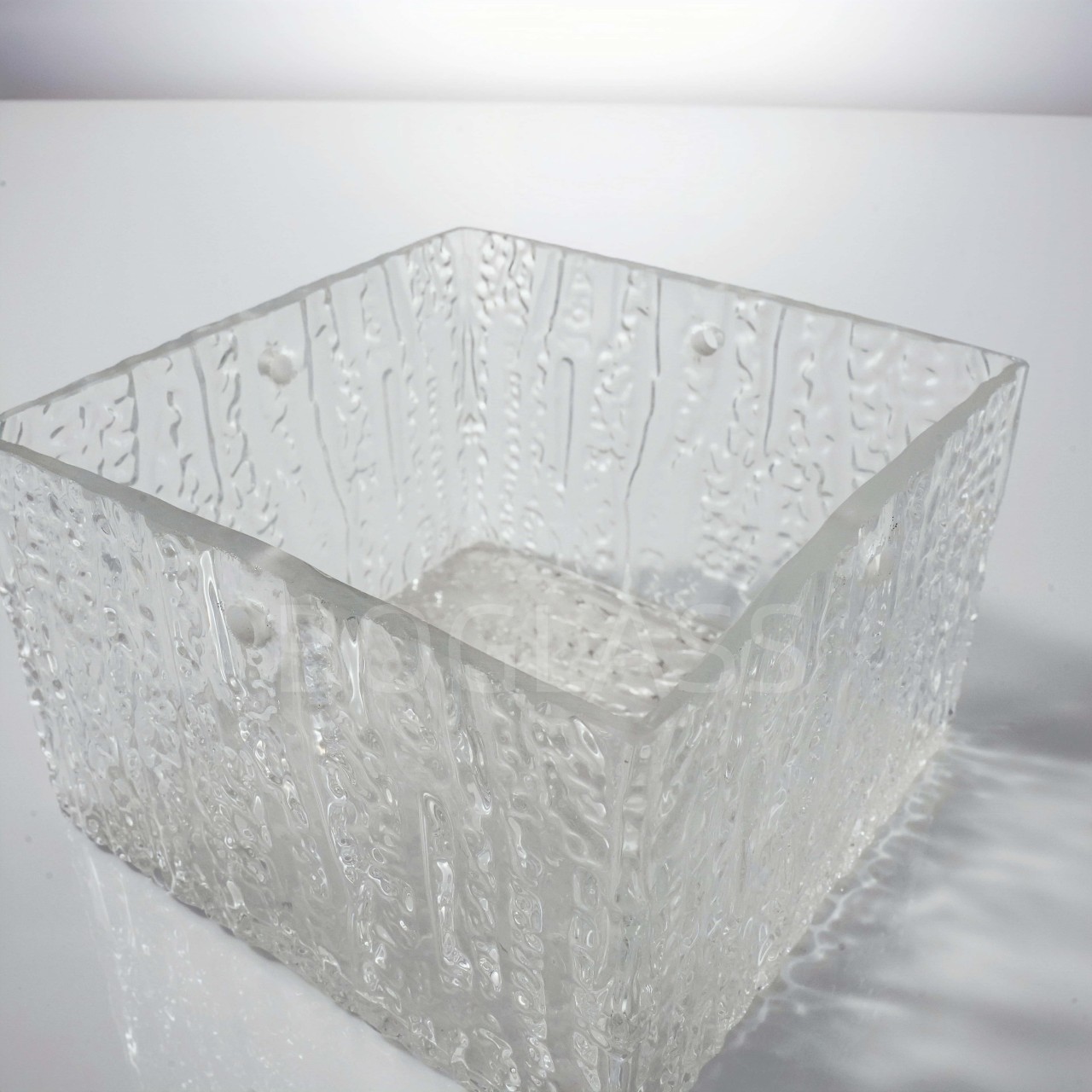
TG011-Glacier Pattern Square Wall Lamp Shade
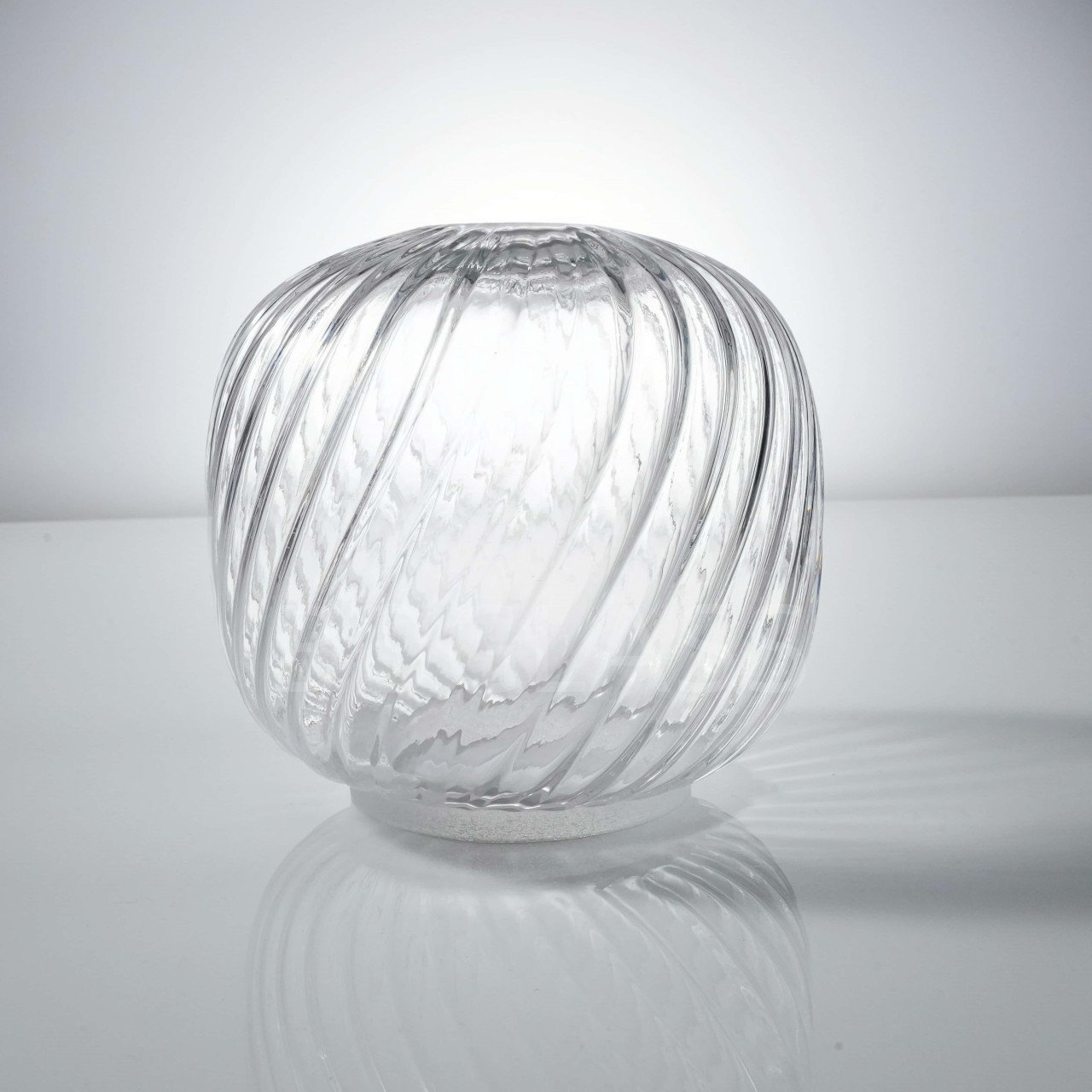
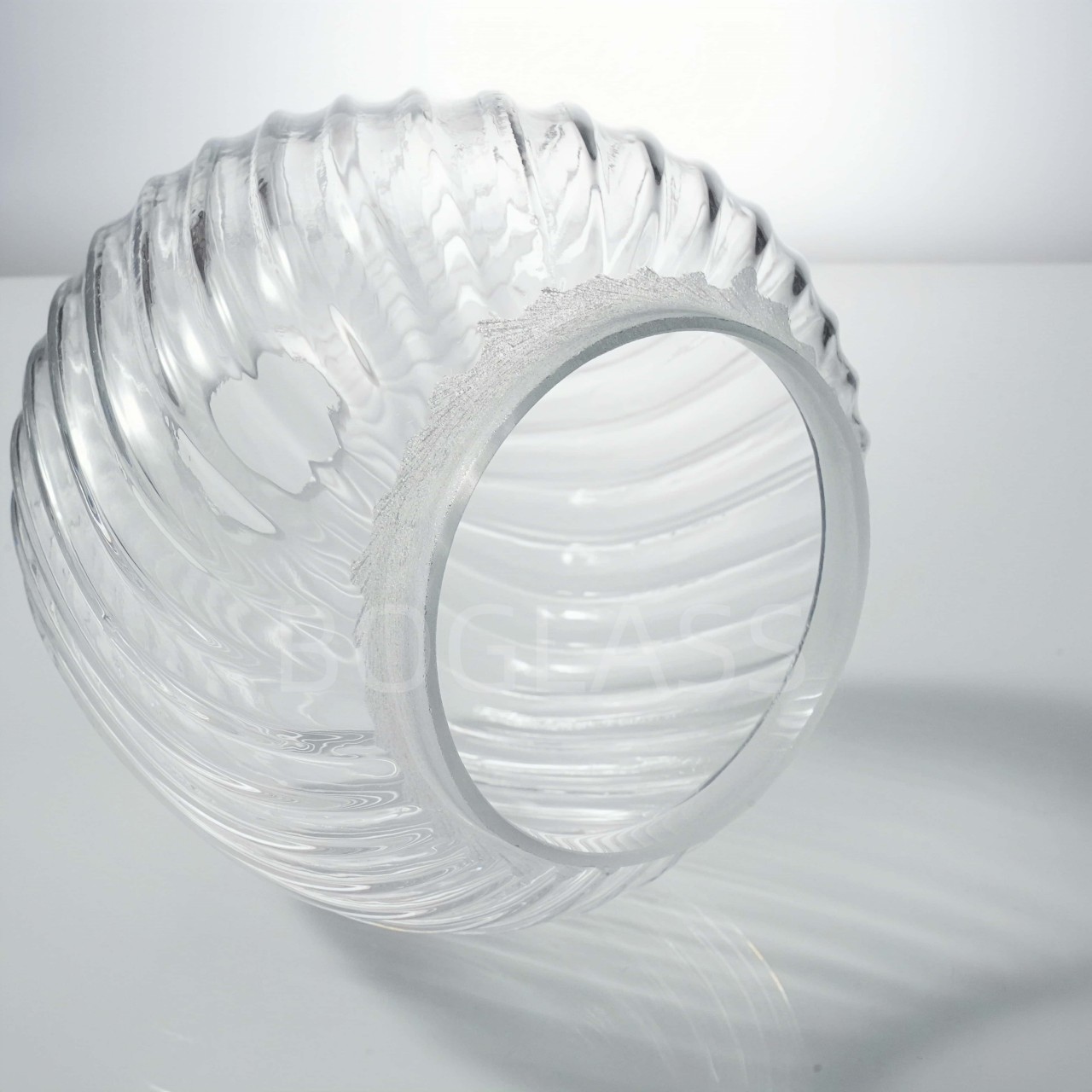
TG012-Lantern-shaped lampshade with striped surface
Our production process
BO-GLASS specializes in customized glass molding services, offering end-to-end solutions from prototype development to mass production. Our China-based facility features a 10-ton daily capacity borosilicate glass furnace, in-house tempering ovens with high-pressure air quenching systems for rapid cooling, and comprehensive post-processing equipment including precision cutting, polishing, and grinding. We deliver high-quality glass components of any size or complexity, supported by expert technical guidance, optimized production workflows, and seamless design-to-manufacture transitions, ensuring efficient project execution with competitive pricing and tailored engineering solutions.
Raw material smelting
Workers use a blowpipe to dip glass material from the crucible. After preheating, the blowpipe is inserted into the glass liquid at an angle of 45°~50°, with a depth of 2~4cm. After rotating 3~4 times, the blowpipe rotates to the left front after a certain amount of glass liquid is rolled up. The material wire is placed in front of the left of the material collection position, and the material is rounded after removal.
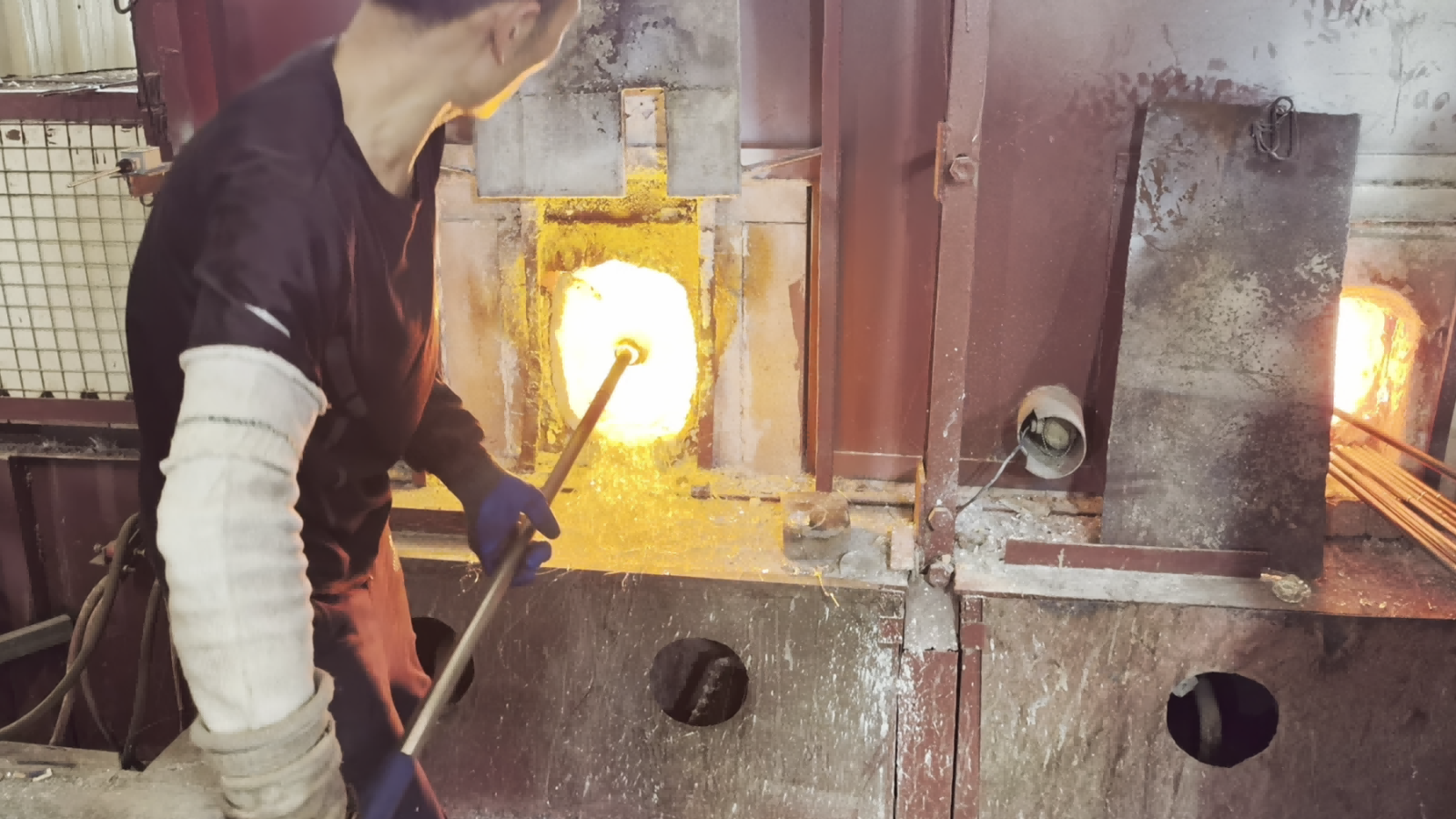
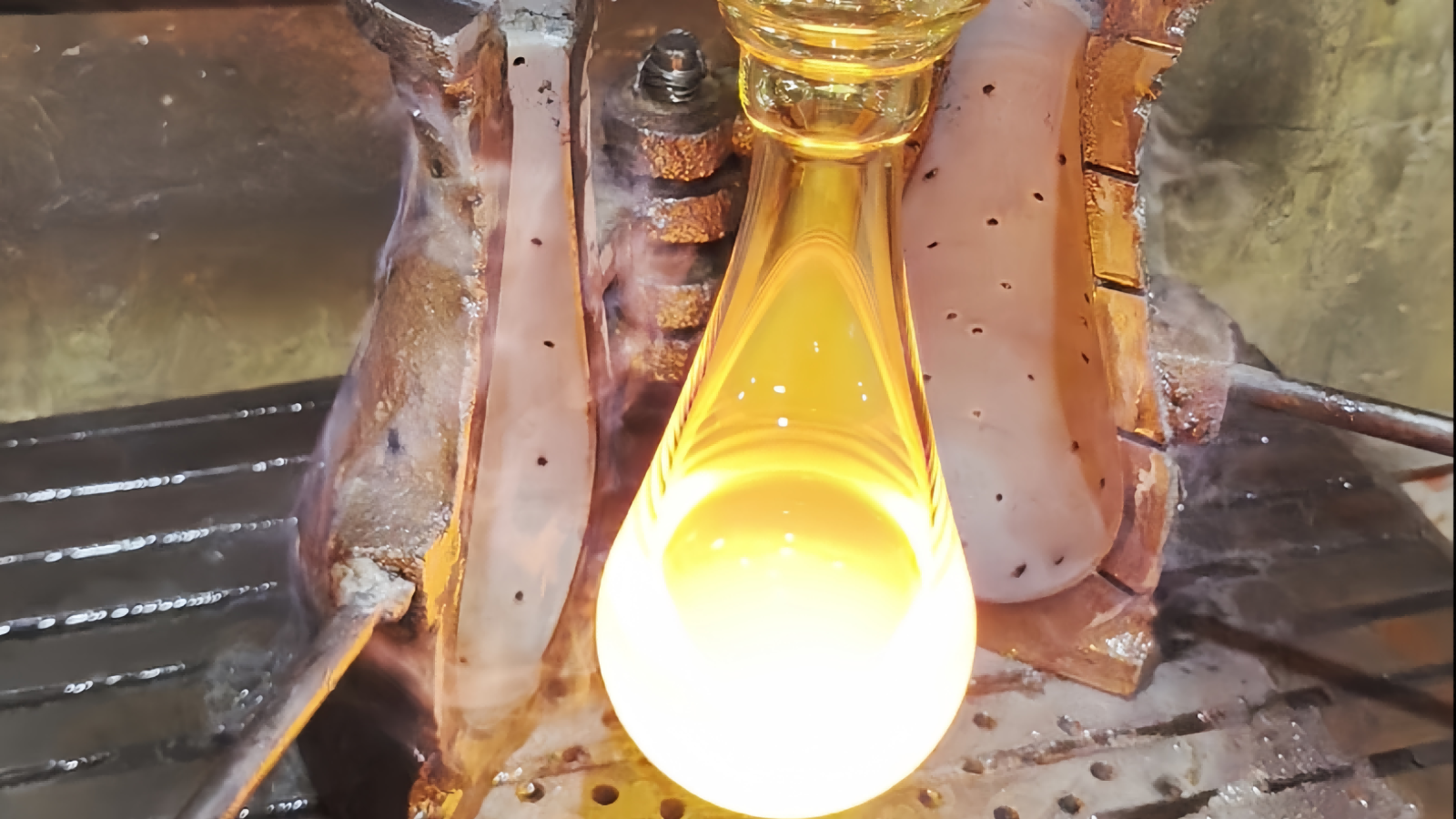
Blowing and shaping in the mold
Put the prepared giant bubble into the mold. The blowpipe needs to be rotated and blown continuously for rotary-blown products. The air can be blown directly for static-blown products to expand the bubble and fill the entire mold cavity to form the desired shape. The speed should be slow initially, and the air should not be given too quickly.
Fire polishing
Fire polishing uses high-temperature flames to melt glass surfaces, eliminating imperfections and enhancing gloss. It smooths edges, removes micro-cracks, and improves transparency, ensuring uniform aesthetics without mechanical contact. Essential for final finishing in glassblowing to achieve premium surface quality
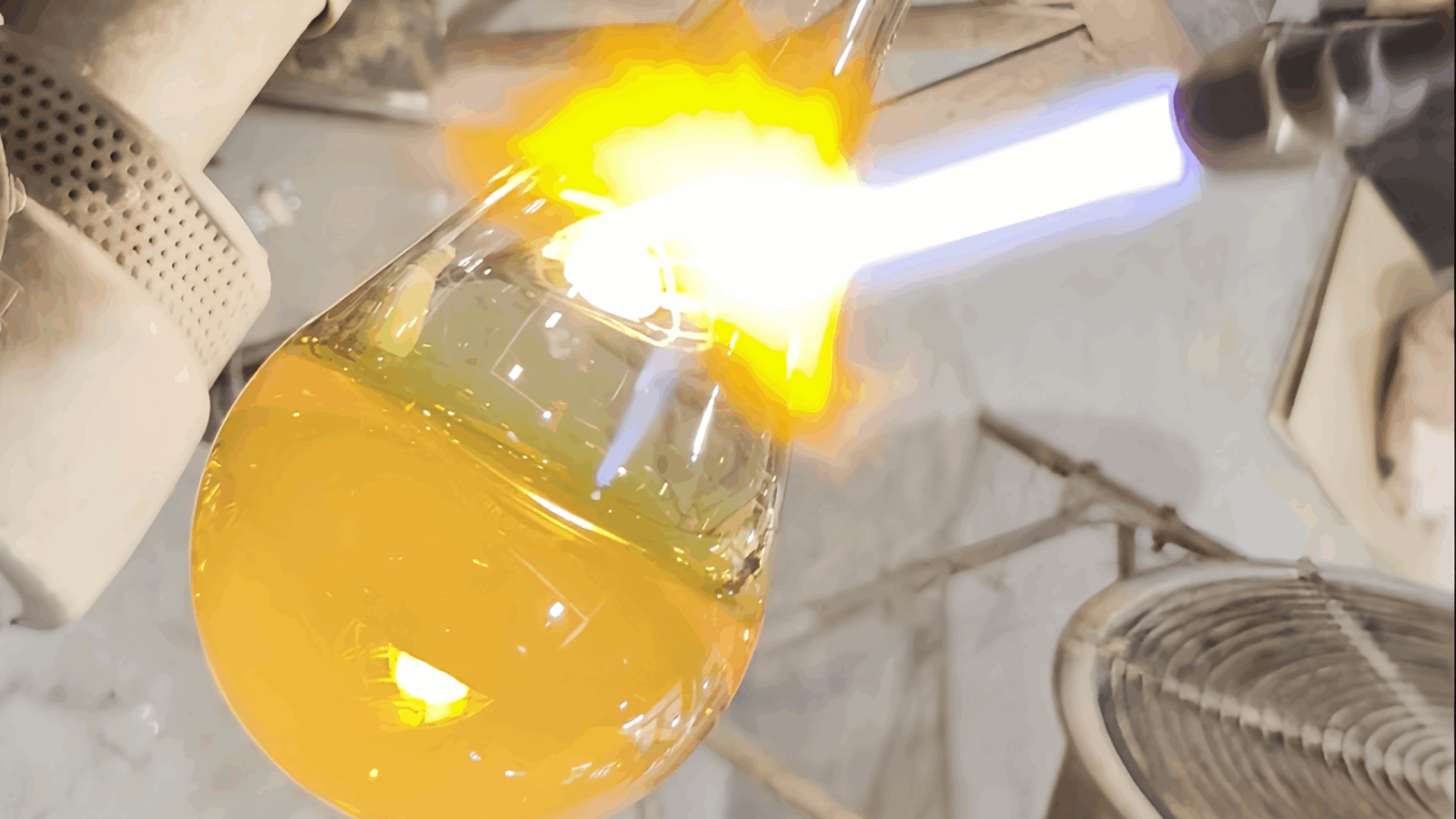
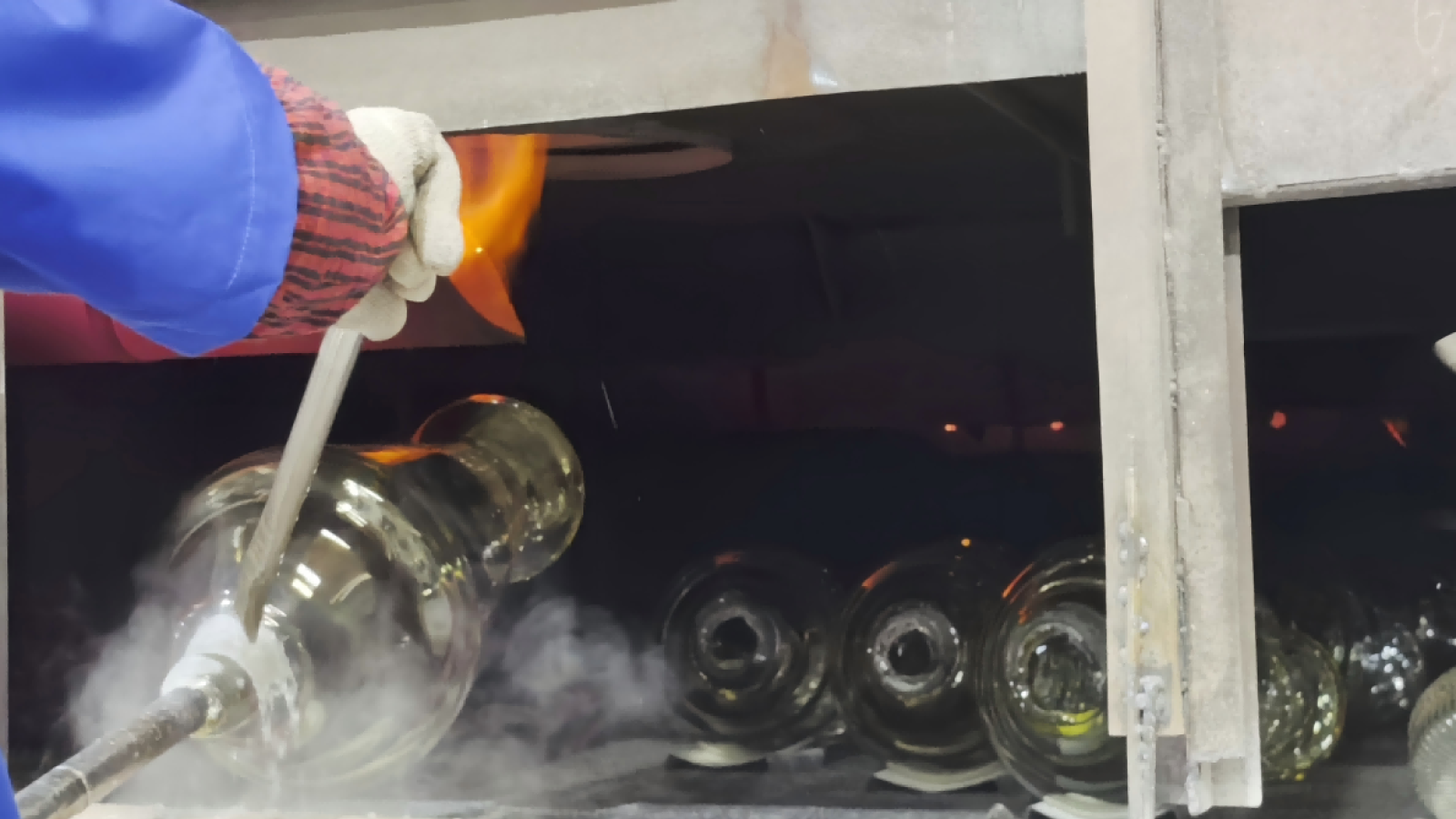
Annealing
Glass products are sent to the annealing furnace for annealing. The temperature of the annealing furnace is usually gradually reduced. The annealing process can eliminate the stress inside the glass and improve its stability and durability. The annealing time and temperature are adjusted according to the thickness and composition of the glass, usually from a few hours to a few days.
Cutting
BO-GLASS masters advanced glass cutting technologies, specializing in laser and waterjet precision machining for bespoke glass components. Our China-based manufacturing center integrates state-of-the-art CO₂ laser cutters (±0.1mm accuracy) and ultra-high-pressure waterjet systems (60,000+ PSI) to handle intricate geometries, thick borosilicate glass, and multi-layer composites.
Edging
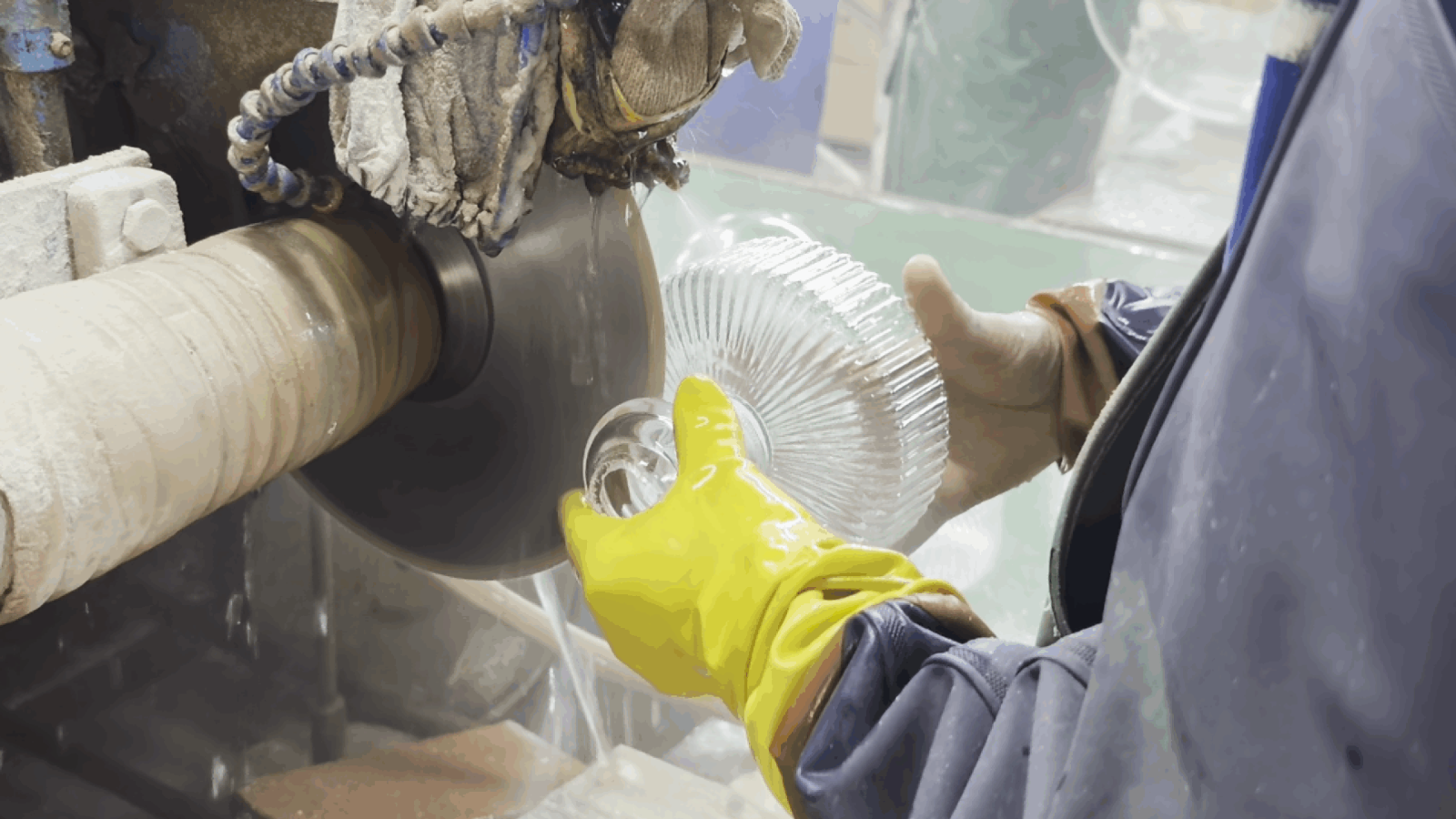
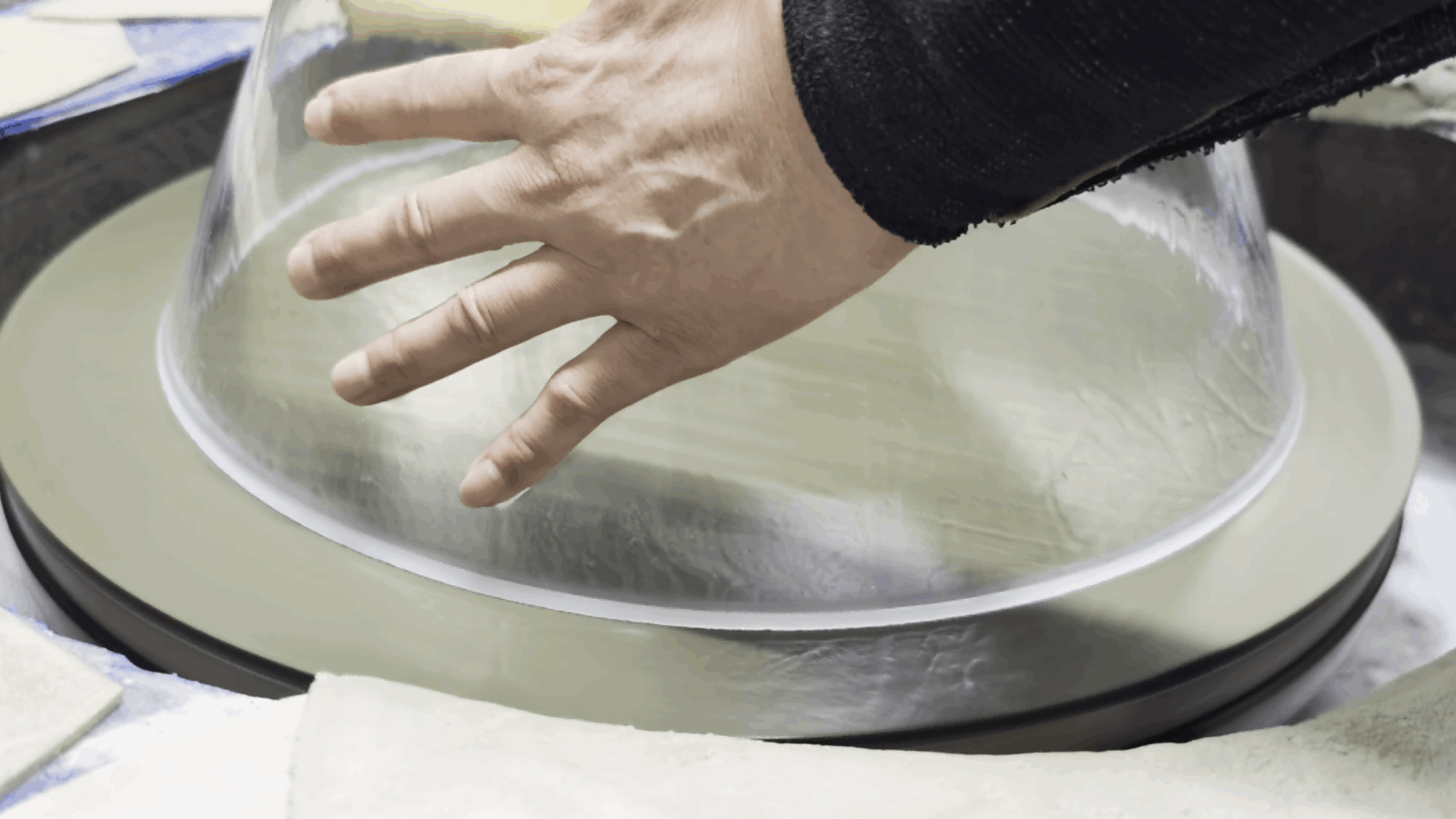
BO-GLASS uses multi-stage precision grinding technology to quickly remove unevenness and processing residues on the glass surface, ensuring accurate product size and consistent shape. From initial shaping to fine finishing, we use intelligent process control to achieve efficient production, reduce material loss, and provide a uniform and delicate base surface for subsequent polishing.
Chamfer
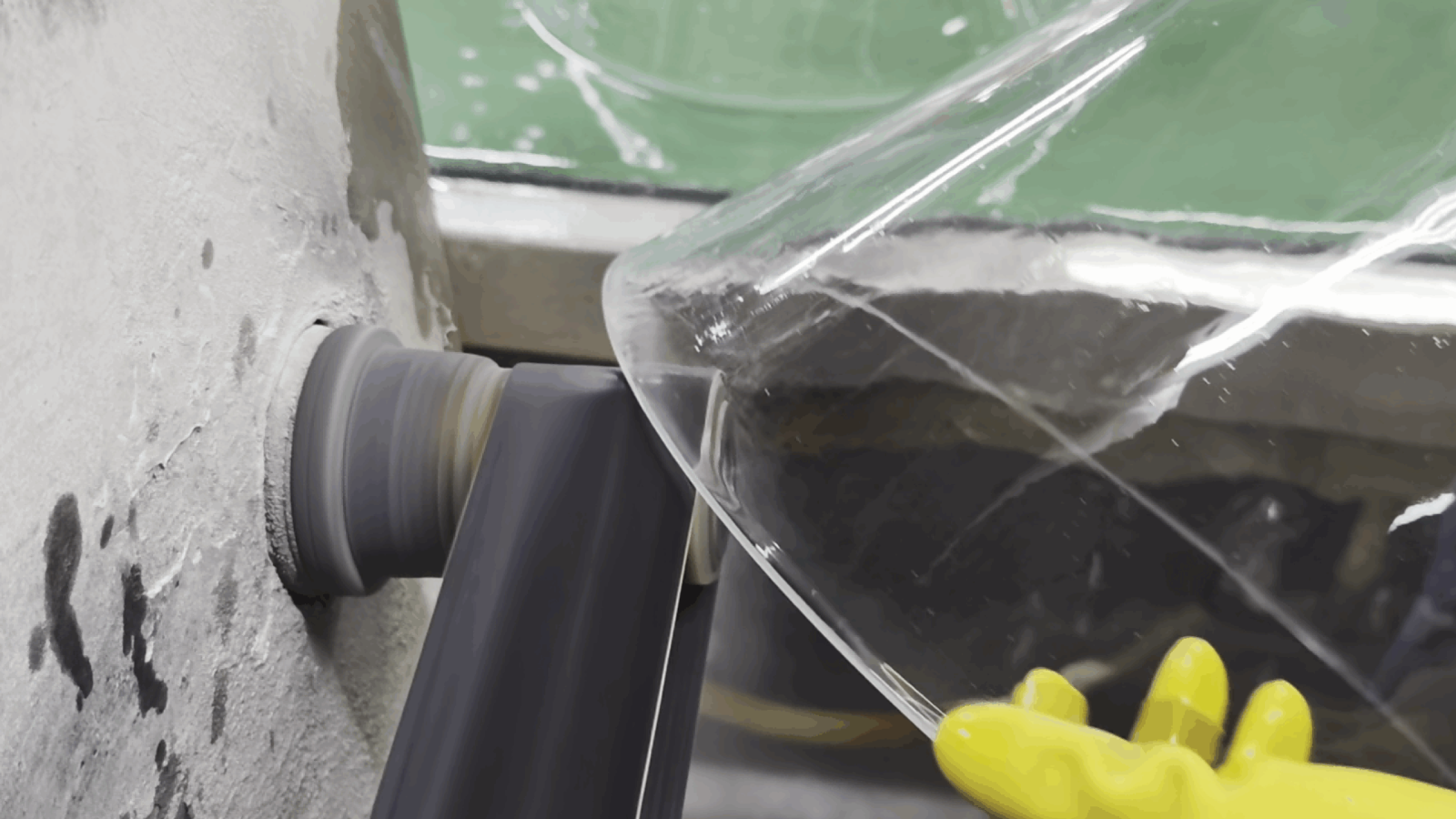
Glass edges aren’t just about looks—they keep you safe and make glass last longer. Rough edges can cut you or weaken the glass, causing cracks. At BOGLASS, we fix that.Using high-tech machines, we shape glass edges to be perfectly smooth, angled, rounded, or flat—whatever your project needs. No sharp corners.
Cleaning
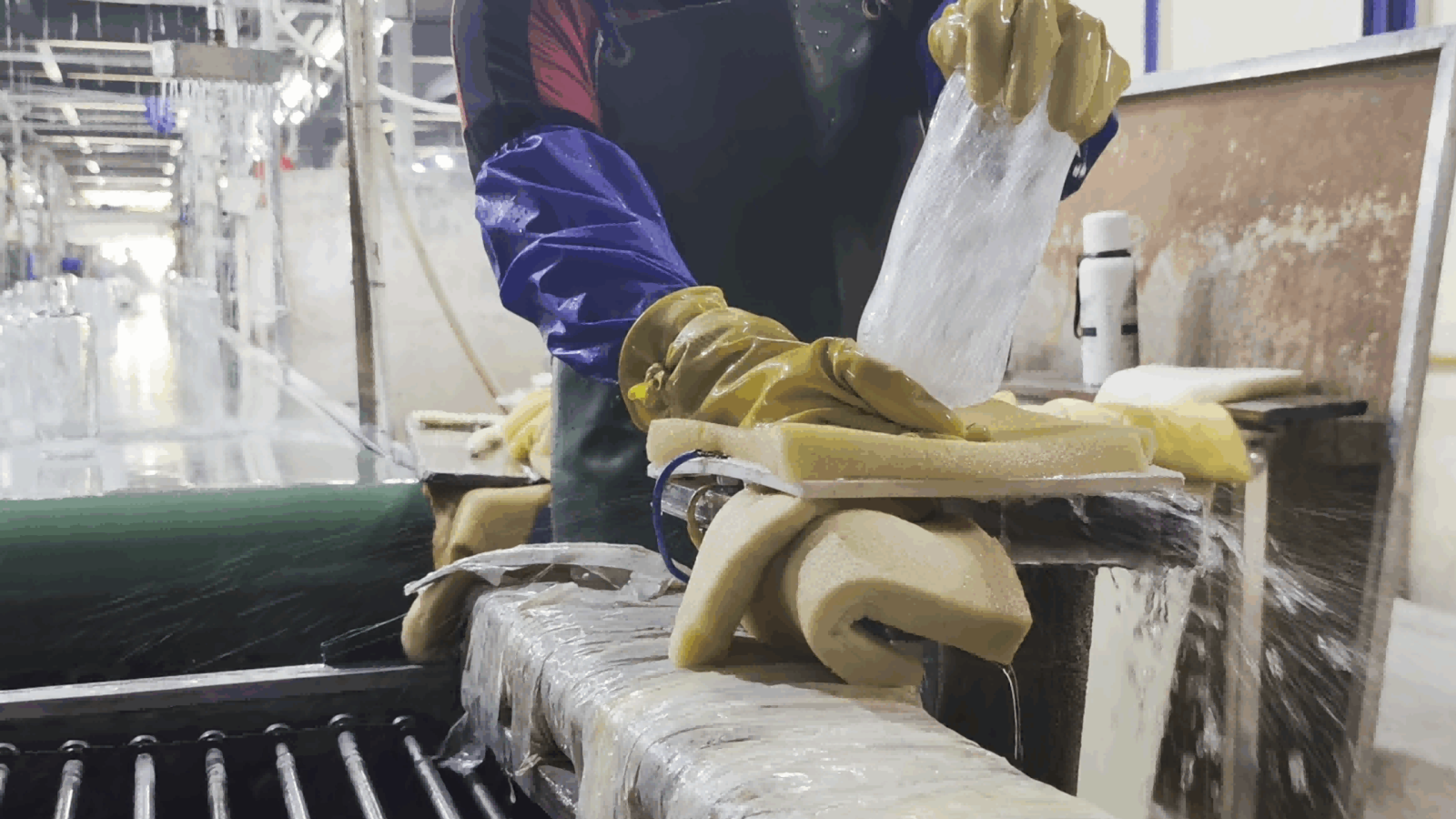
Glass surfaces exposed to the atmosphere are generally contaminated. Any useless substance and energy on the surface is a pollutant, and any treatment will cause pollution. Surface pollution can be gas, liquid or solid in terms of its physical state, and it exists in the form of film or particles.
Drilling
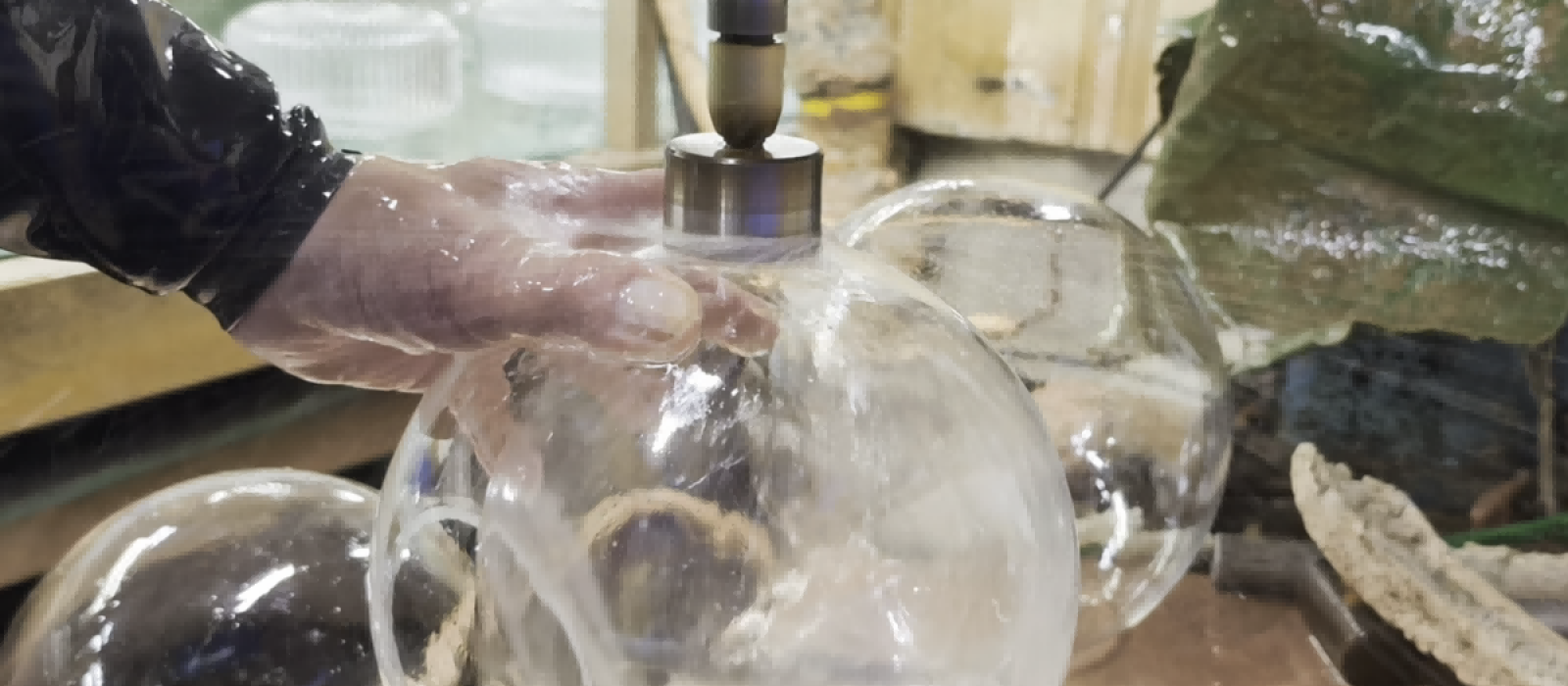
BO-GLASS utilizes ultra-high-pressure waterjet drilling (60,000+ PSI) . Our abrasive waterjet systems deliver holes ranging from Ø1 mm to Ø50 mm with tolerances of ±0.1 mm, eliminating thermal stress and edge chipping.
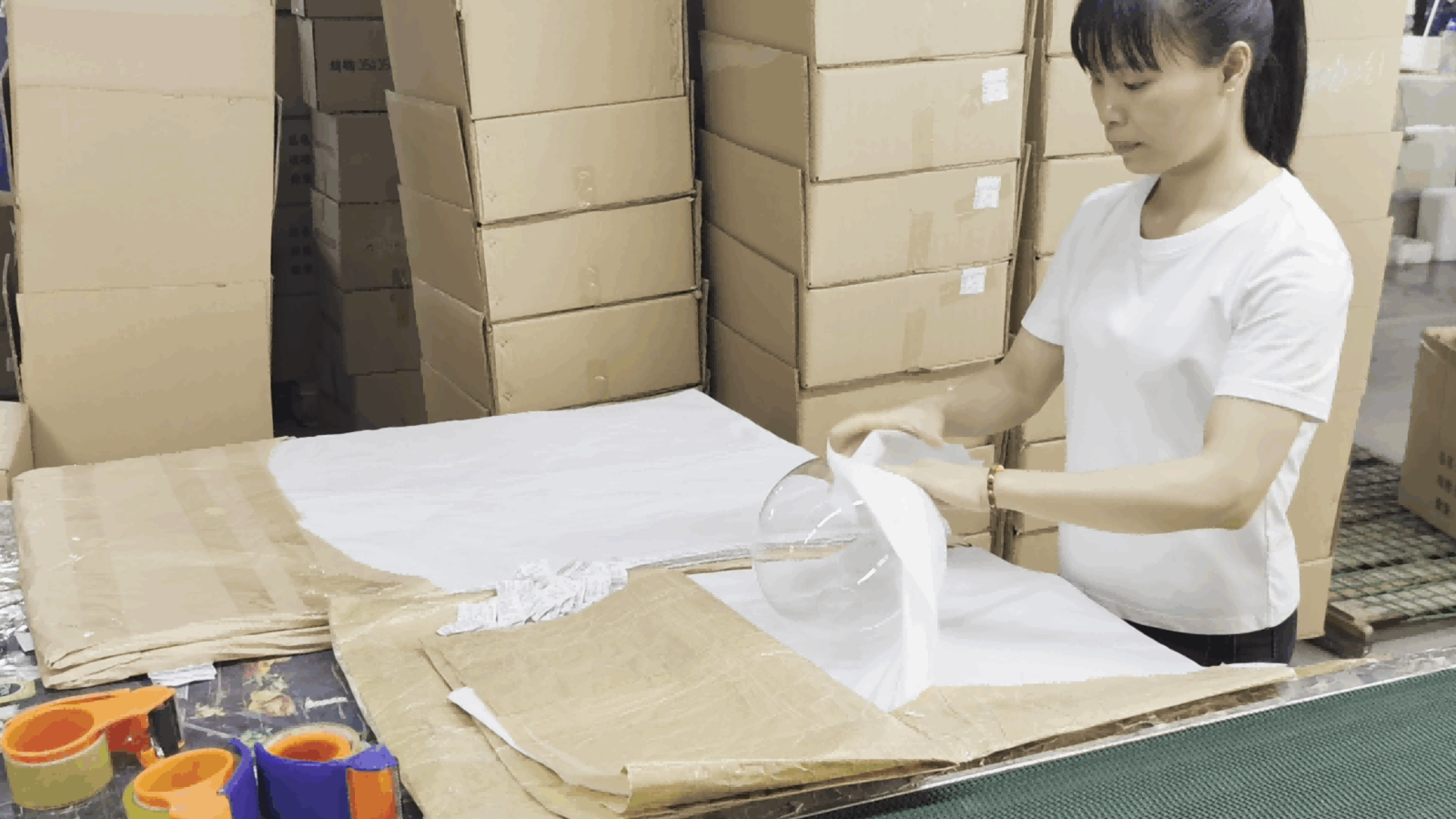
Quality inspection and packaging
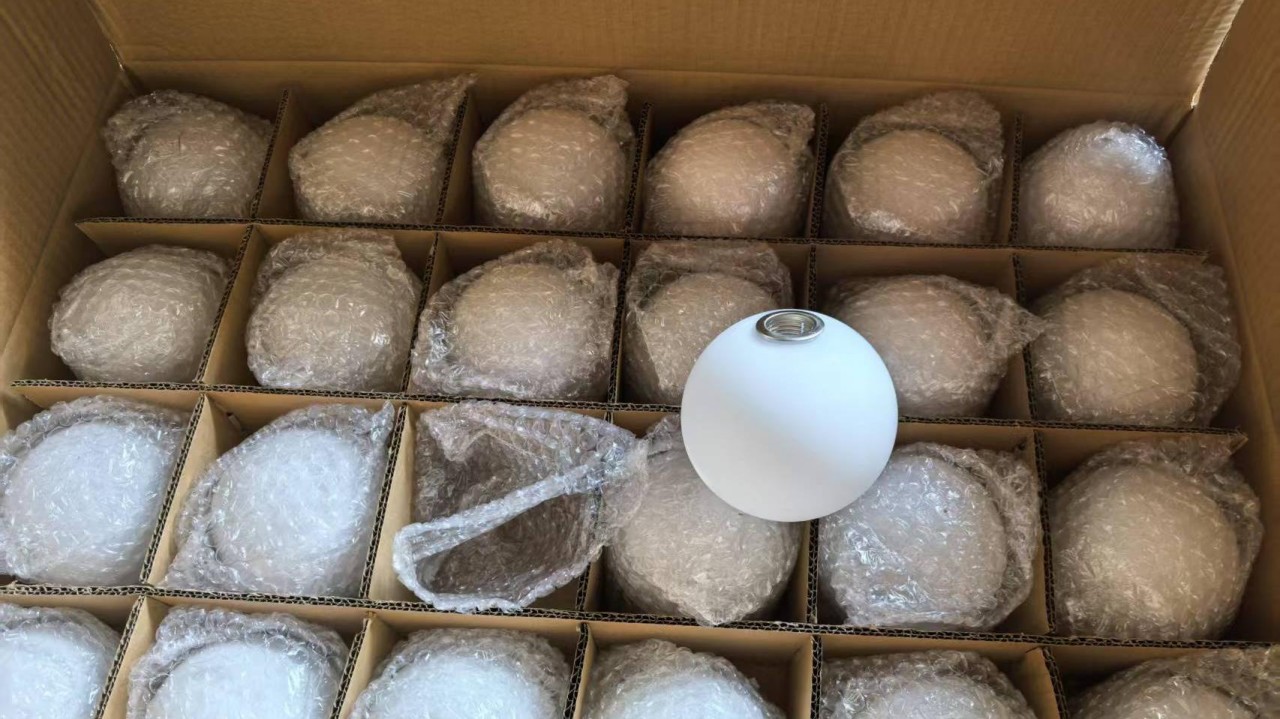
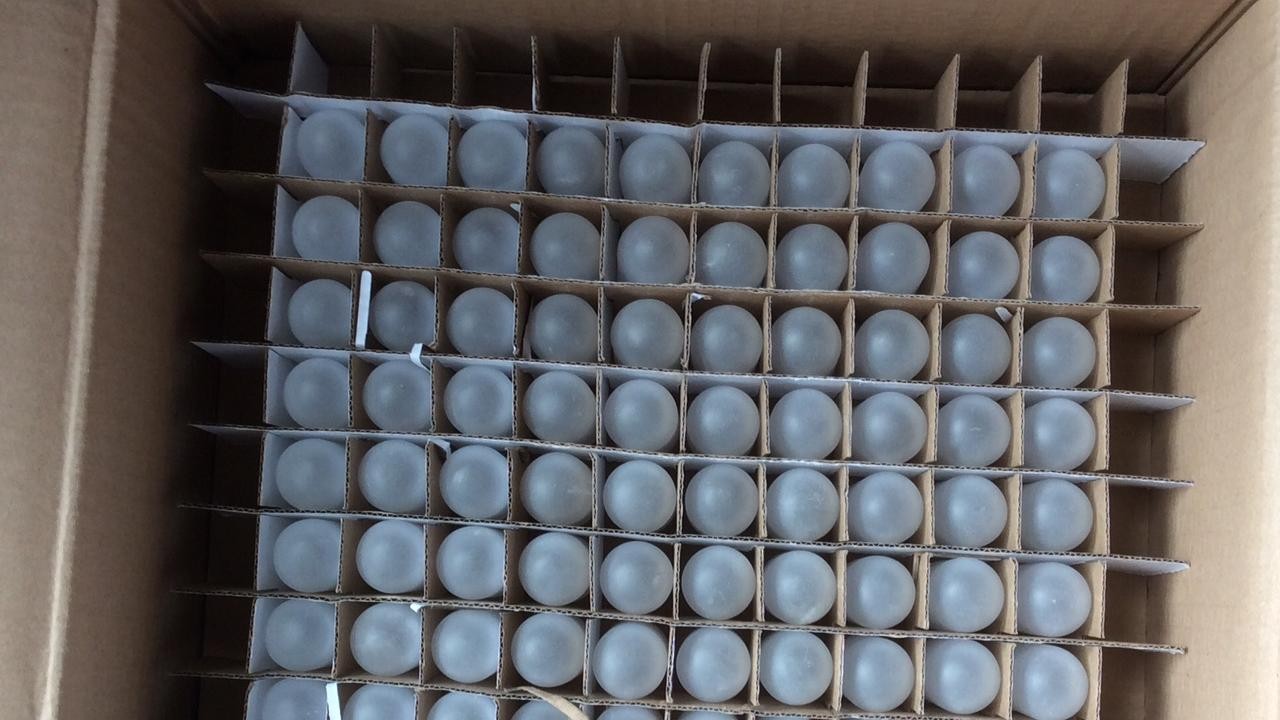
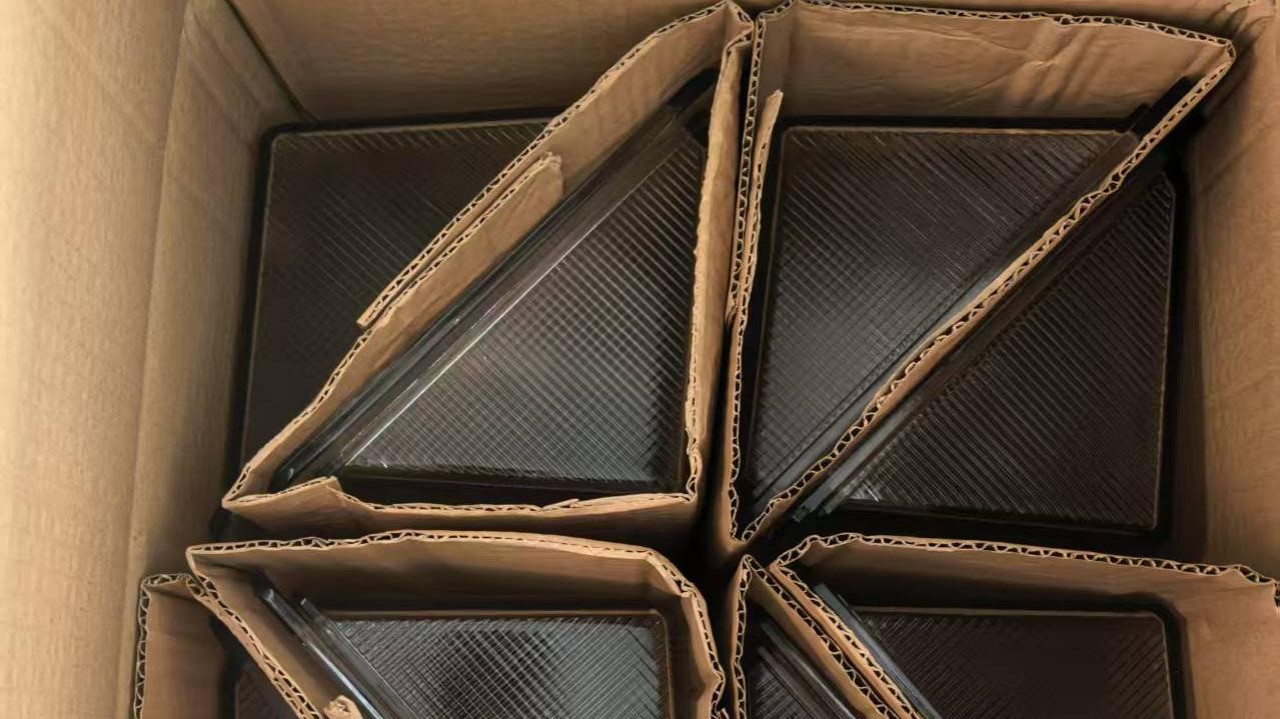
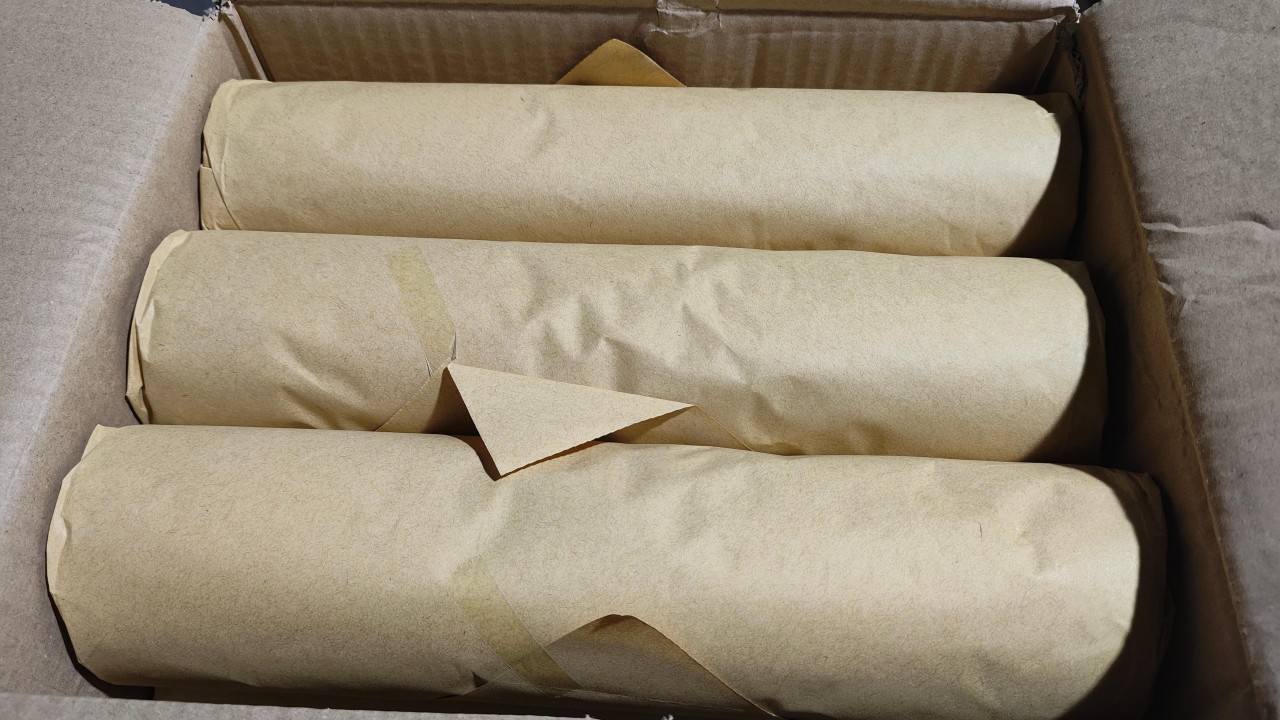
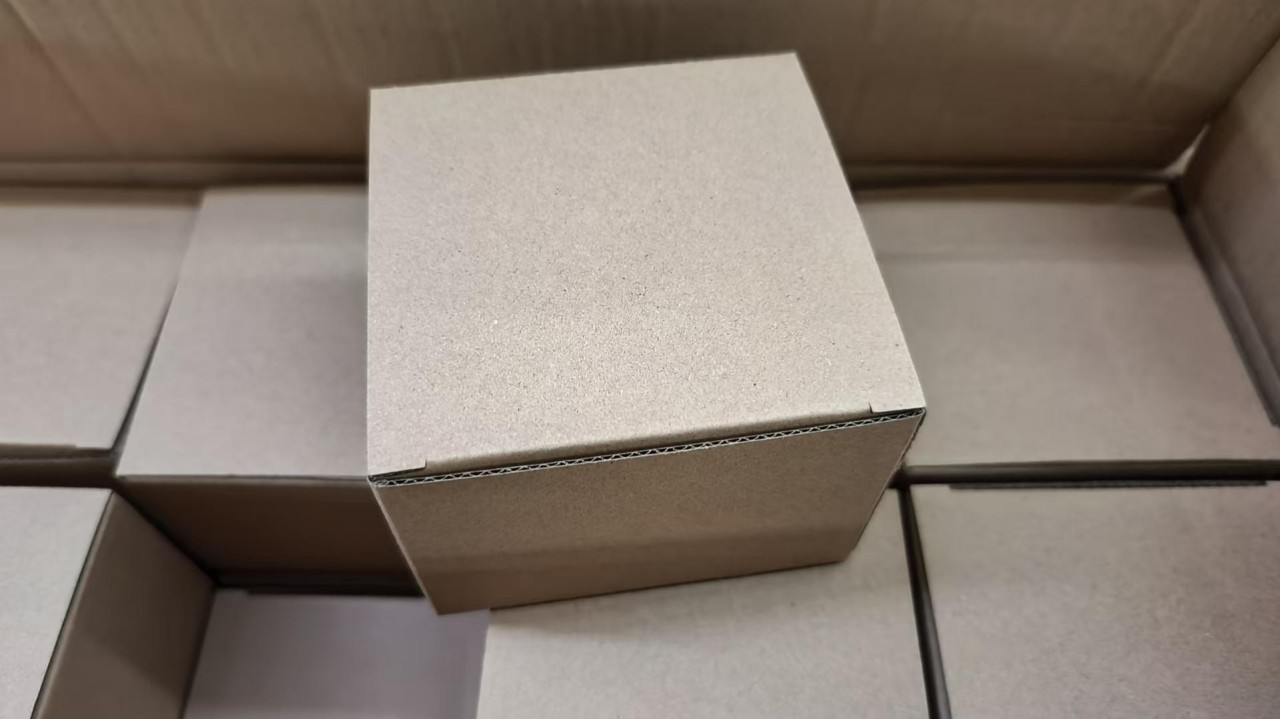
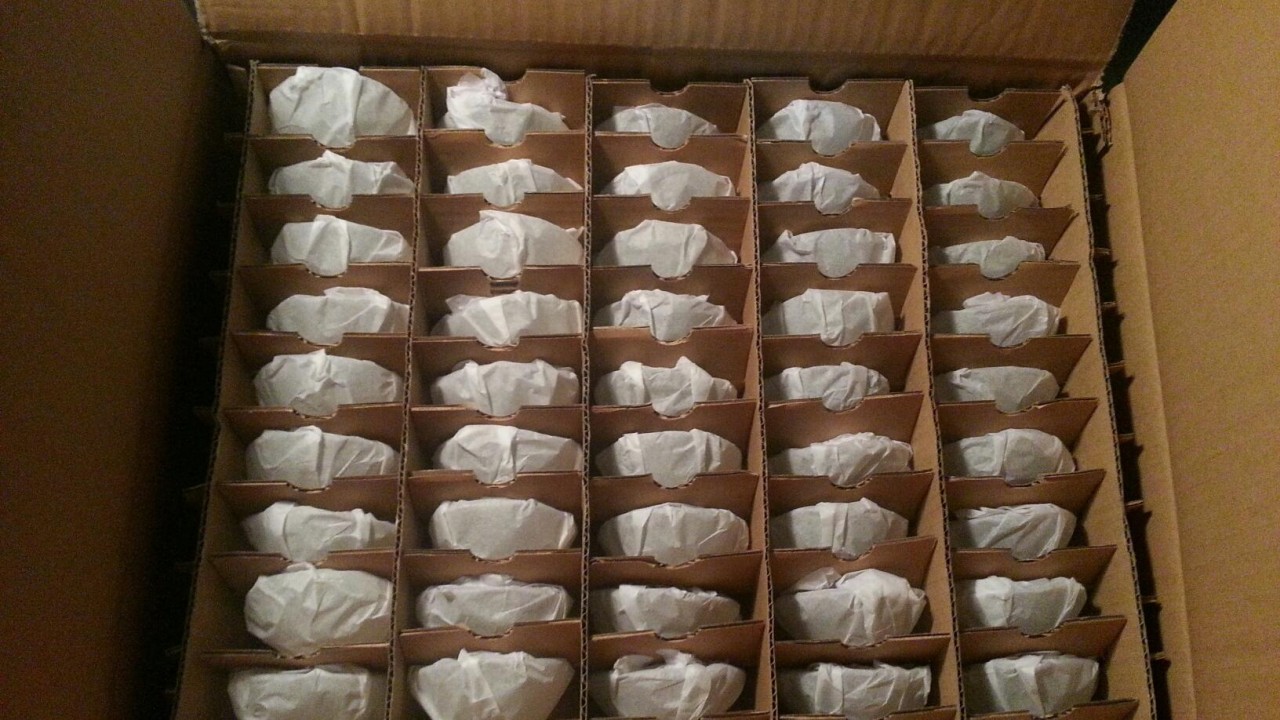
Our team of highly-trained packaging specialists will expertly craft premium-quality packaging solutions that showcase your products in their most elegant light.
Workshop display
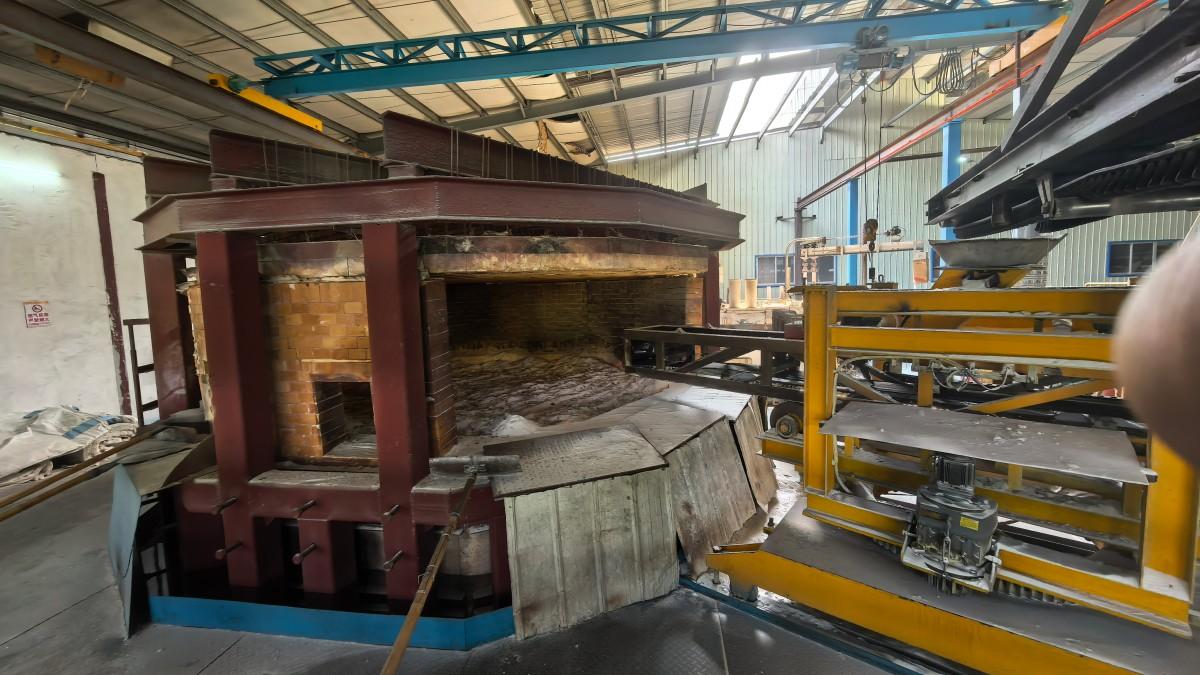
Continuous Charging Machine
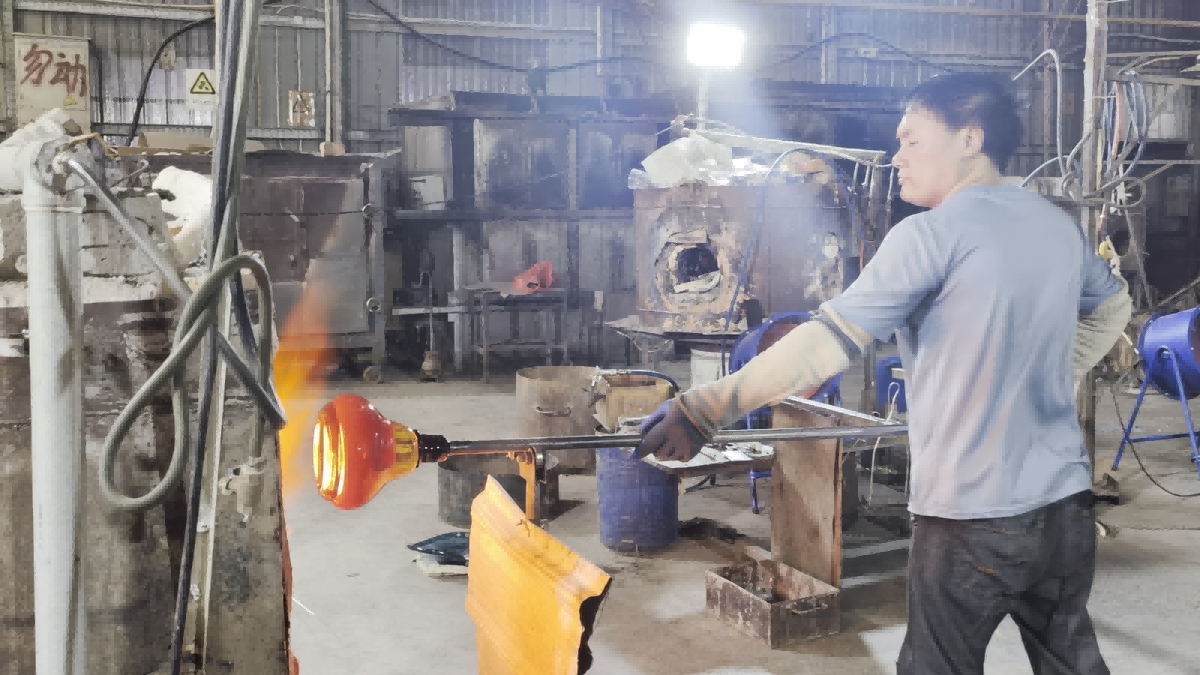
Glassblowing Production Line
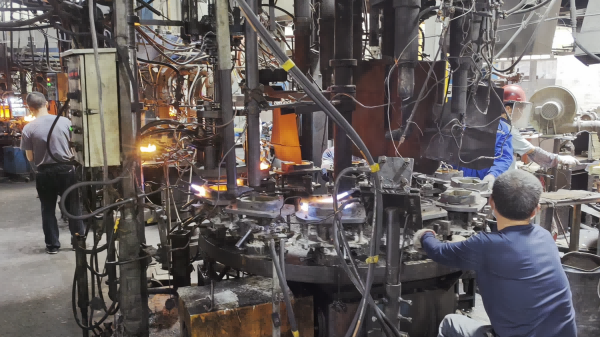
Glass Molding Production Line
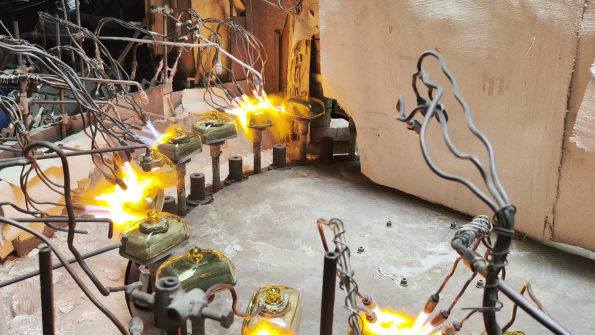
Thermal Polishing System
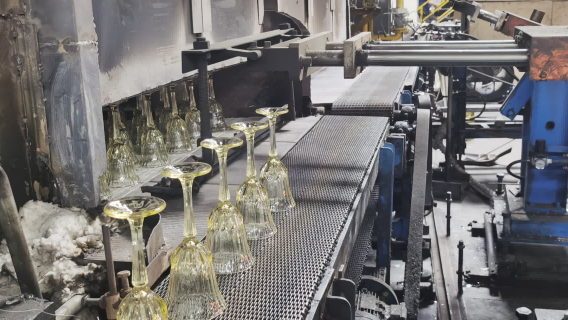
Annealing furnace
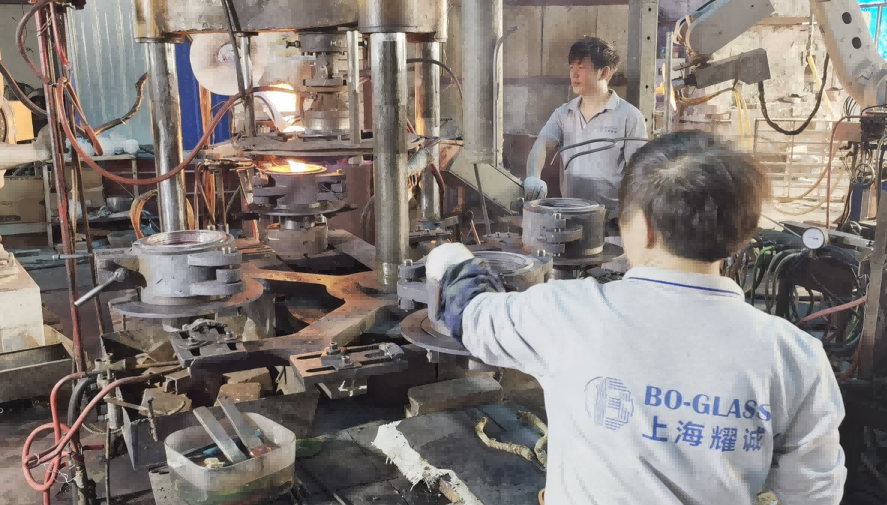
Automated Press with Robotic Feeding
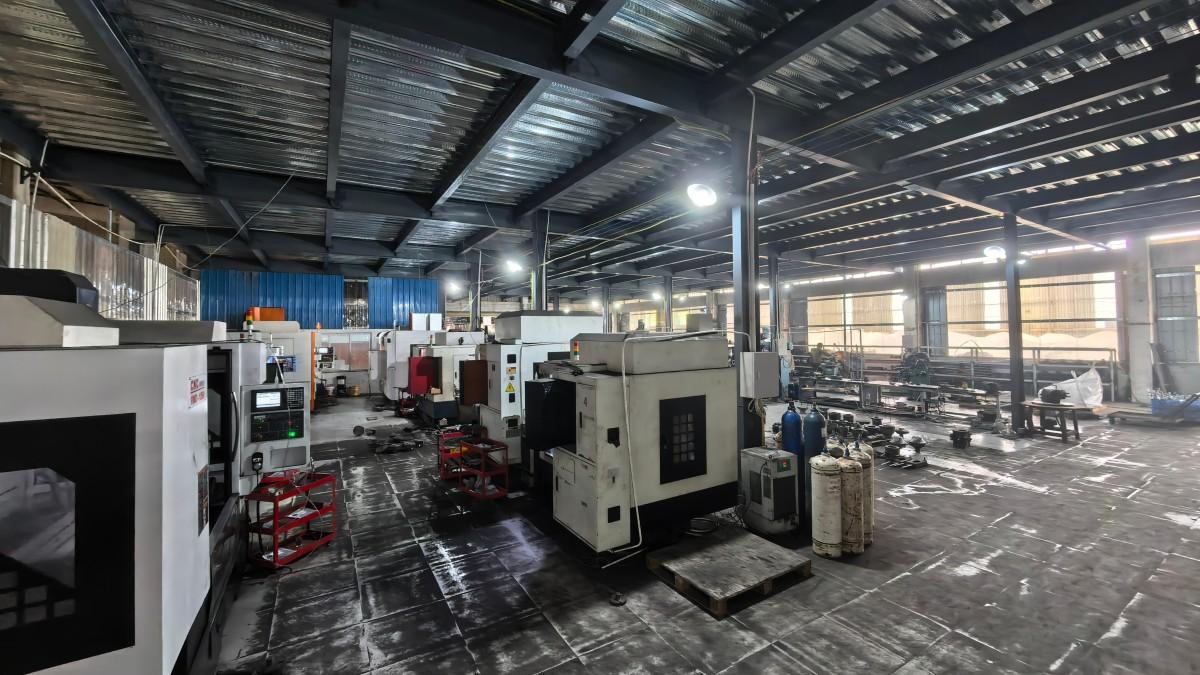
Metal Die CNC Machining Workshop
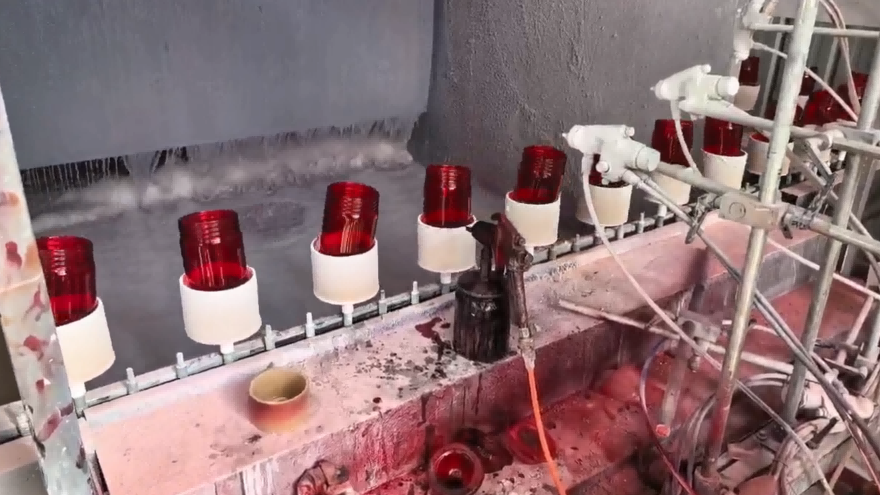
Automated Conveyorized Painting System
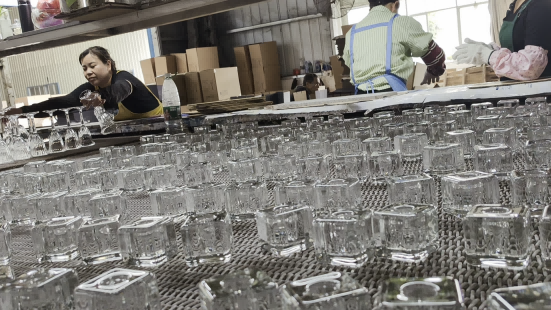
Quality inspection and packaging
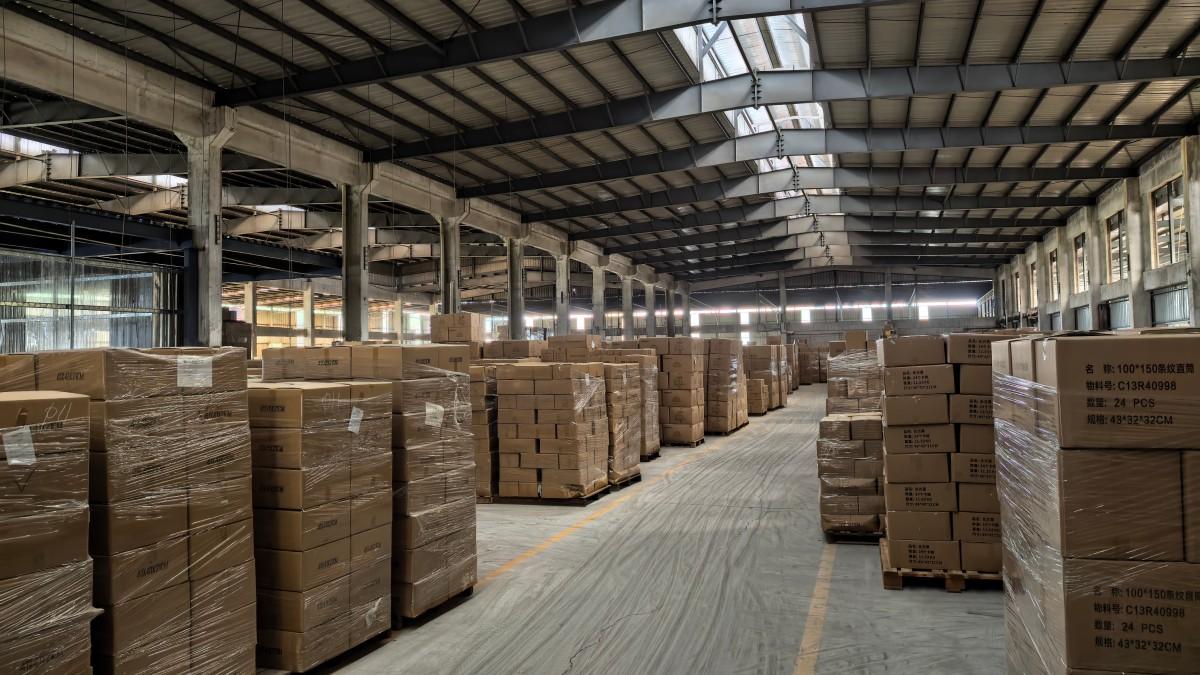
Storehouse
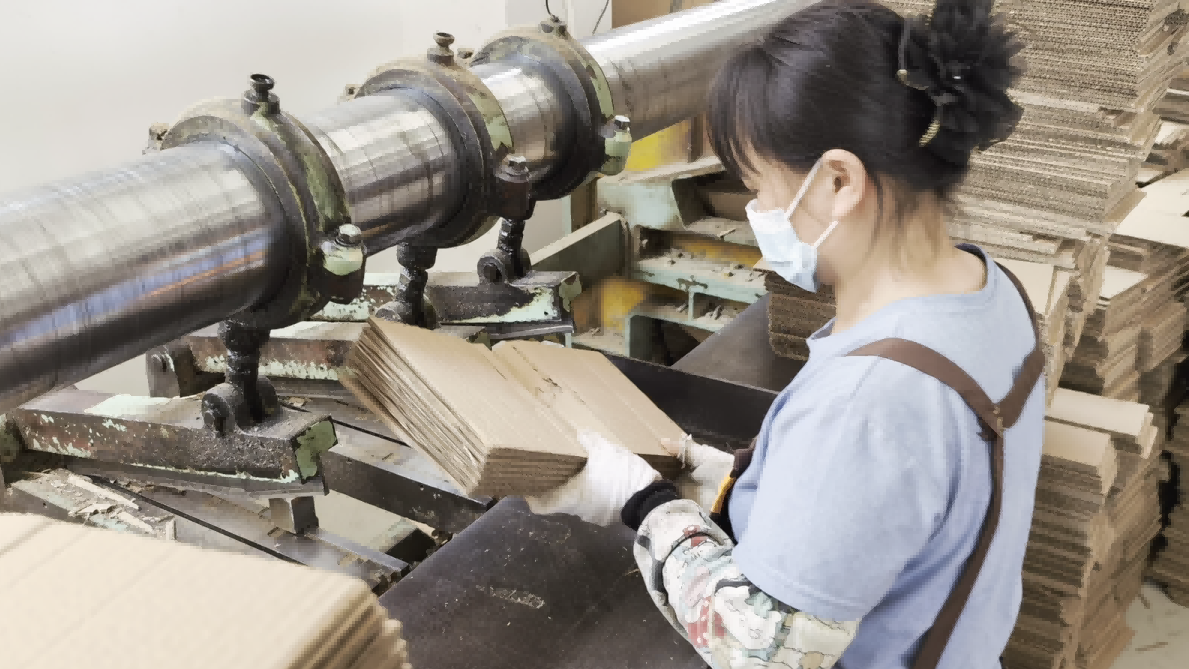
Carton production workshop
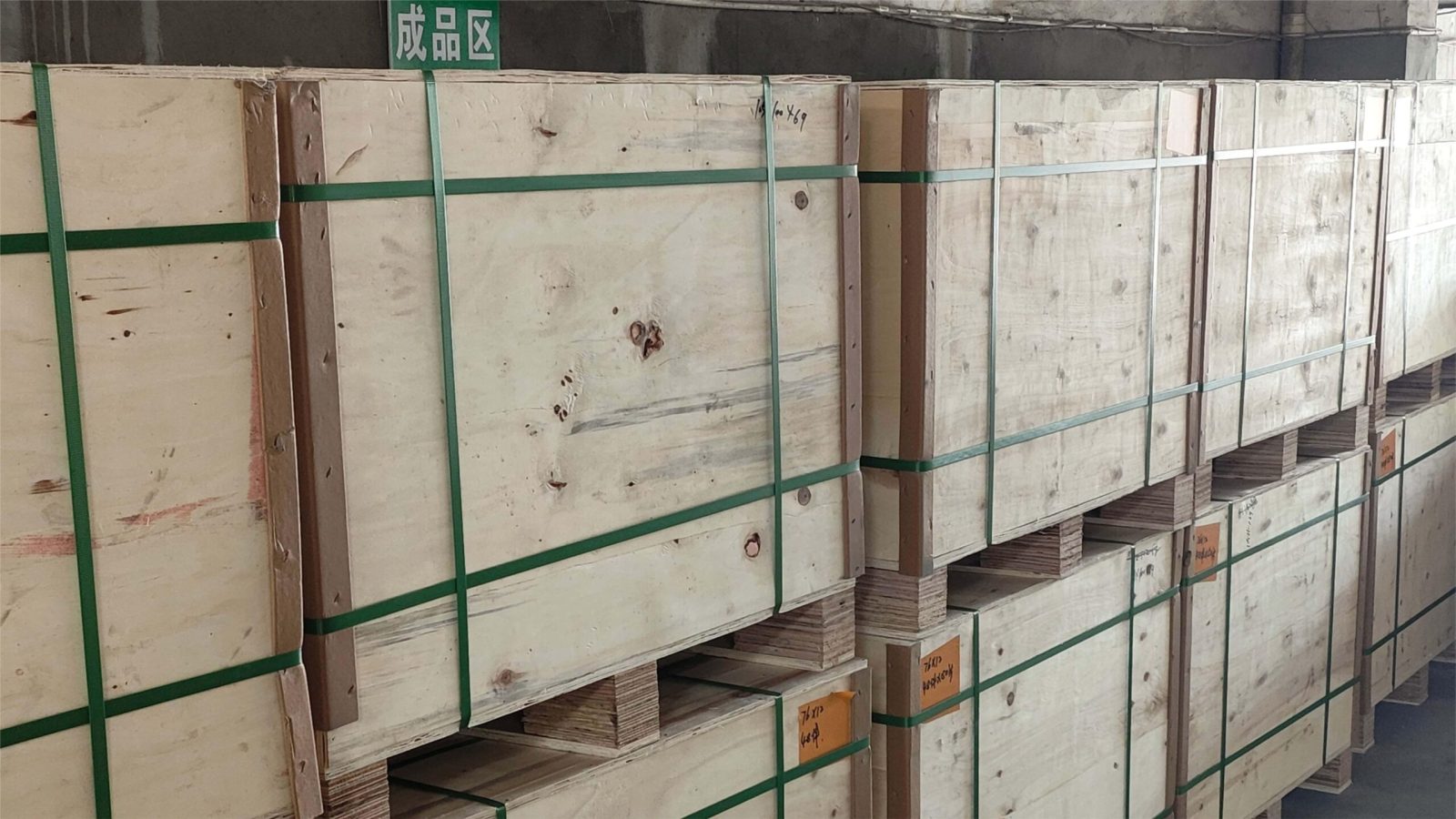
Loading and Unloading Area
Product Packaging
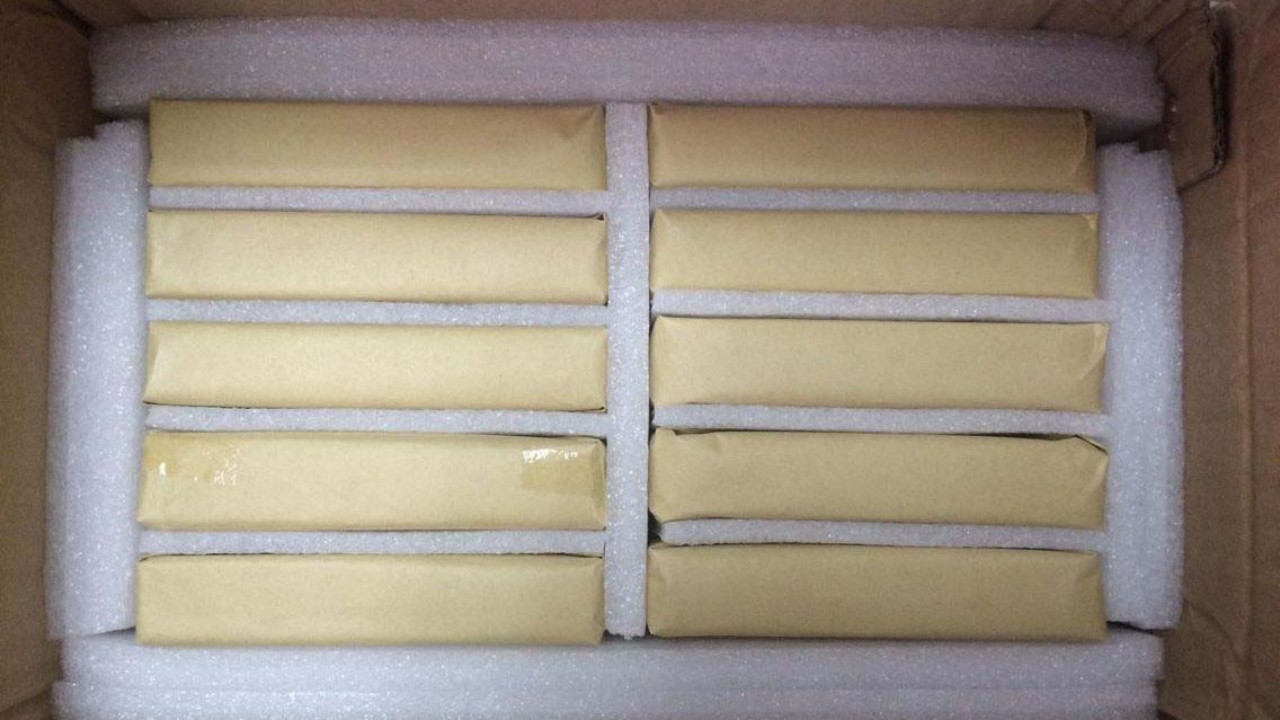
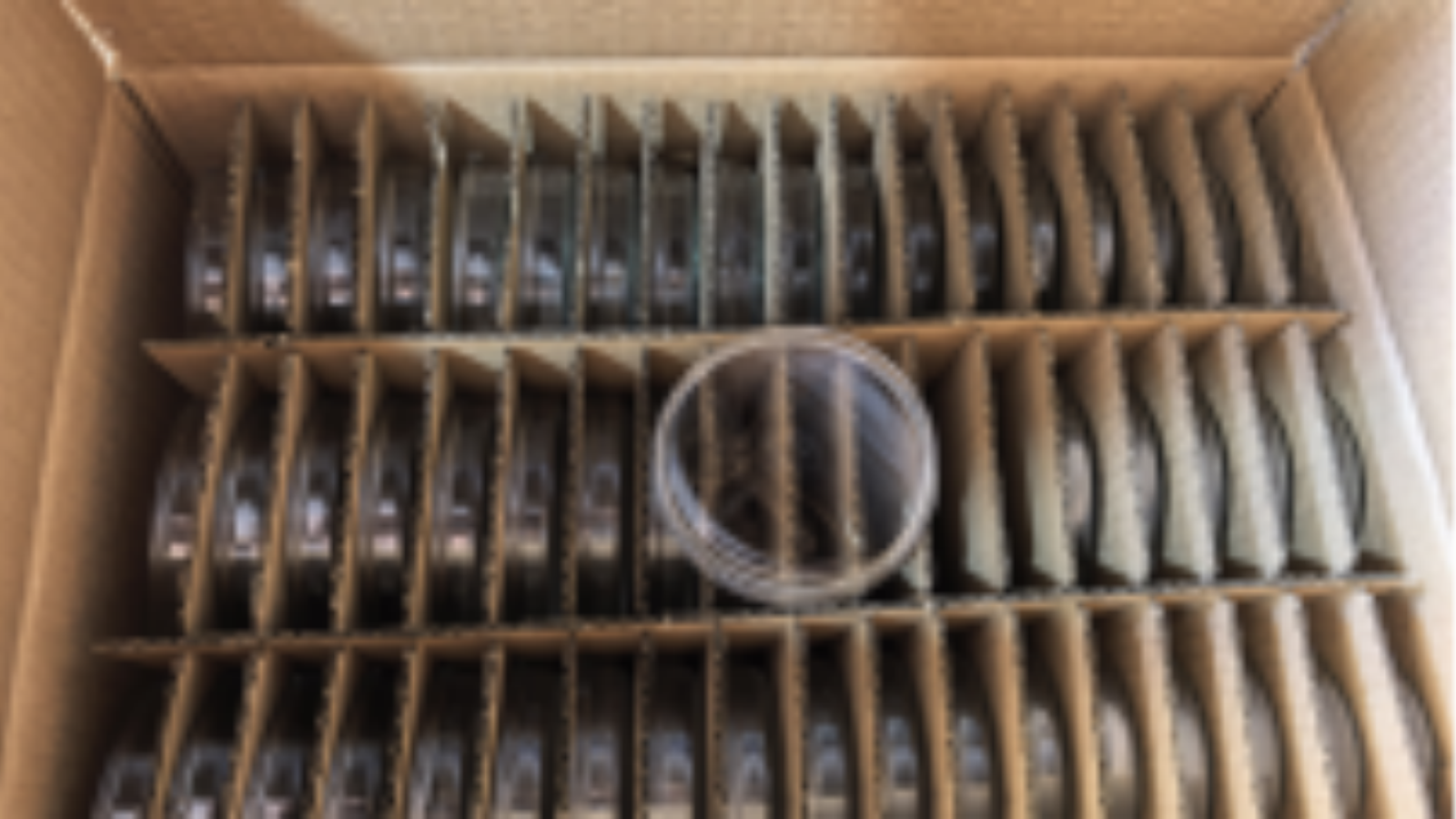
As an innovator in the field of glass deep processing, BO-GLASS not only focuses on the ultimate breakthrough in product performance, but also provides full-link protection from production to customer end for each glass product through scientific and artistic packaging design, while simultaneously delivering the brand's high-end value.
Materials
Regular glass (soda-lime glass) is mostly sand (~70%), plus soda ash (~15%) and lime (~10%). It’s crystal clear, hard but brittle, and chemically stable. It softens at workable temperatures (700-900°C), making it easy to melt, blow, or press into shapes. Cheap and widely used, it’s the go-to material for transparent or simple-shaped lampshades, windows, and jars.
Regular glass is the standard choice for blown lampshades because:
Easy Shaping: It softens predictably at achievable furnace temperatures (around 700-900°C), allowing skilled glassblowers to easily inflate and shape it into various forms using air pressure and tools.
Crystal Clarity: Its high transparency and light transmission create bright, focused illumination, ideal for applications where clear visibility of the light source or maximum brightness is desired.
Material Stability: It possesses good chemical resistance and thermal shock resistance (when properly annealed), ensuring the shade withstands bulb heat and environmental factors over time.
Cost-Effective: Made from abundant, inexpensive raw materials (sand, soda ash, limestone), it offers the lowest material cost compared to specialty glasses like opal glass.
Proven Process: Its properties and behavior under heat are well-understood, making it highly suitable for efficient, large-scale blowing production.
Order Process
Talk With US
BOGLASS dedicated to being the supplier you choose for your custom Glass fabrication. From volume production to prototype, we will meet any require specifications at the most cost effective solution.
- Free quotes and design consultations
- Comprehensive brochure you can download
- Worry-free returns
- OEM&ODM
- Fast Respond Or enthusiasm
- Rapid Production
- Low MQQ
SEND US AN EMAIL
sales@bo-glass.com