
Press Molding of Molten Glass
Your Reliable Glass Fabrication Solutions Expert
Precision-engineered custom glass solutions, empowering global innovation for over 20 years.
Trusted Supplier to Fortune 500 Companies
Experience Serving 10,000+ Customers
12,000 m2 production base,24 hours running production lines;
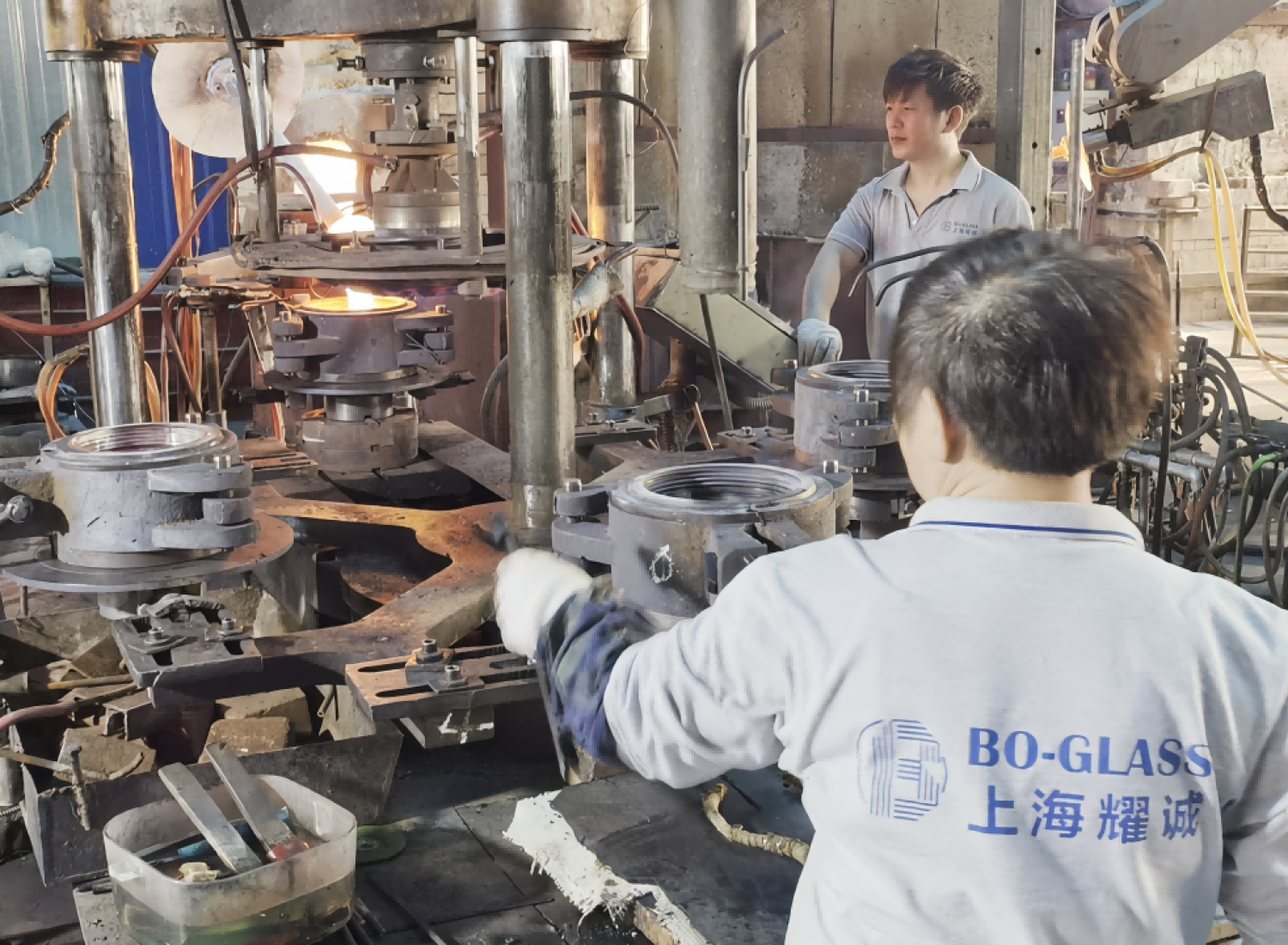
Custom Molten Glass Press Molding
Molten glass press molding uses a mold and plunger to form a heated glass charge into the required shape. Applications include patterned glassware, lenses and lighting covers. Material, geometry, mold features, forming conditions and inspection requirements are reviewed for each design.


Our production process
Press-molded parts are reviewed for shape, wall thickness, surface detail and fitting features. Material preparation, charge delivery, pressing, annealing and finishing requirements are agreed against the drawing and intended use.
Raw material smelting
Raw materials: silica sand, limestone, soda ash, broken glass (reduced cost)Continuous furnace: 1200-1500°C high temperature, suitable for large-scale production
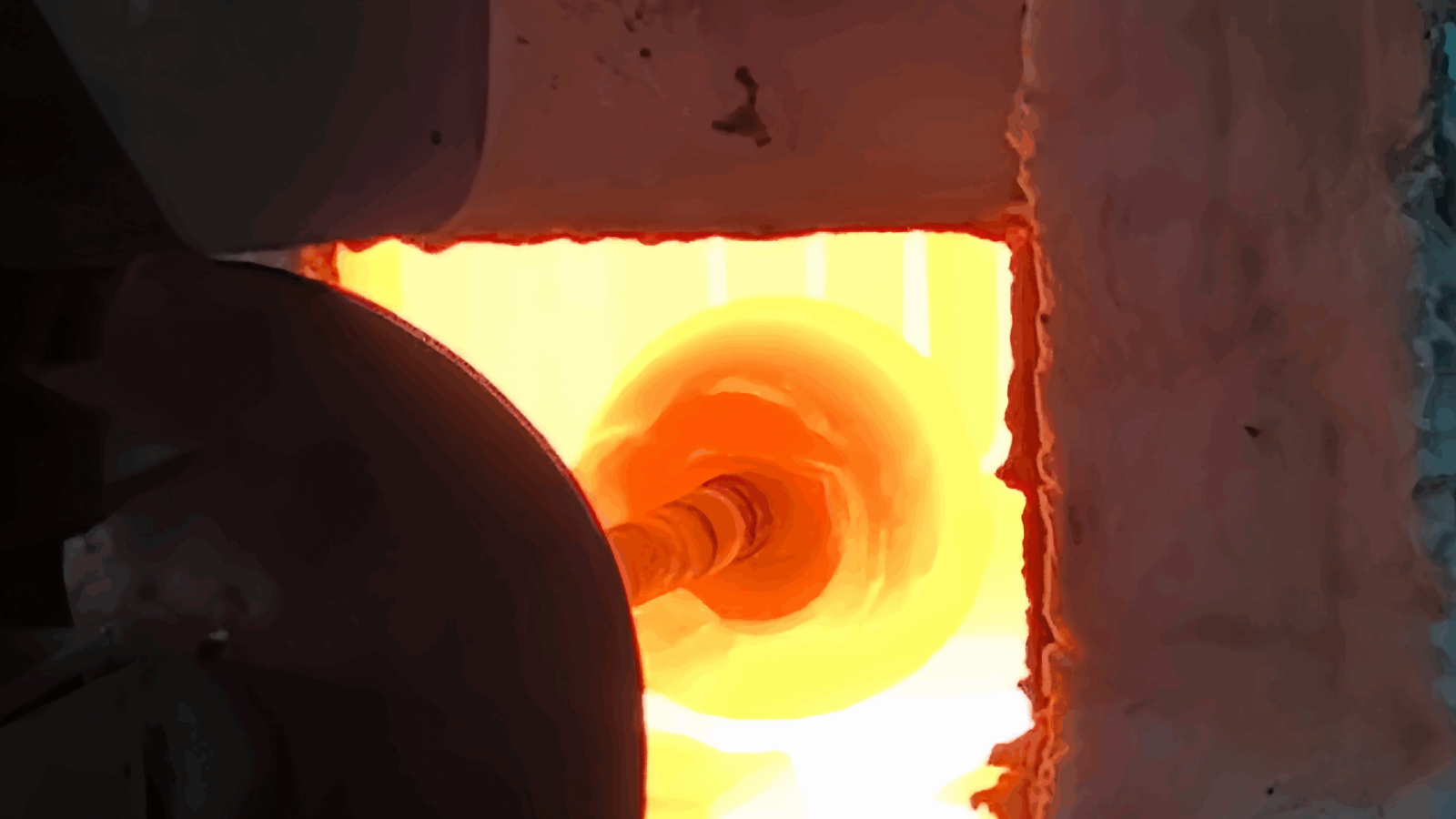
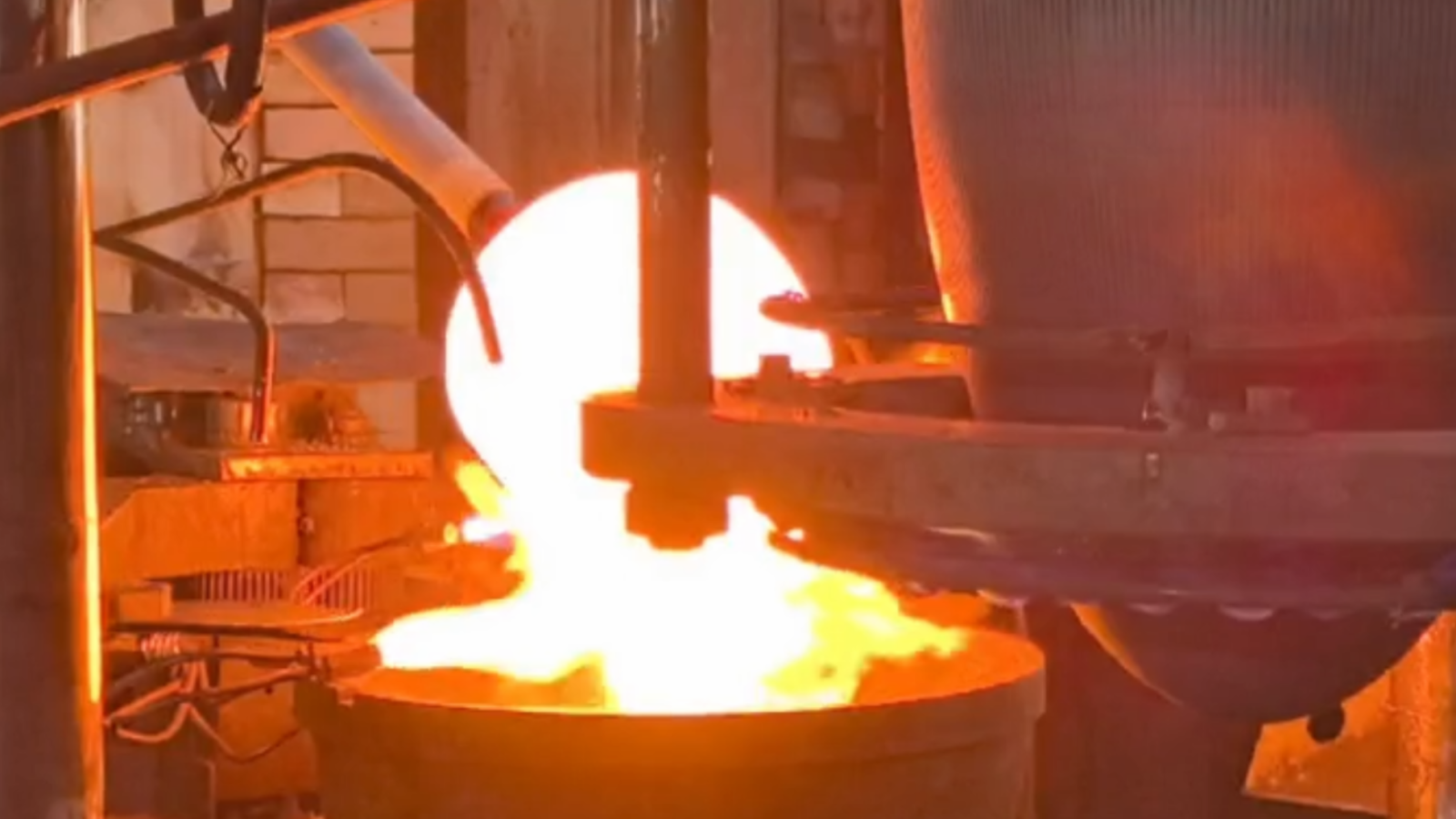
Glass Charge Preparation
The glass charge is prepared and delivered to suit the mold and part geometry. Charge size and timing are set for the agreed pressing process.
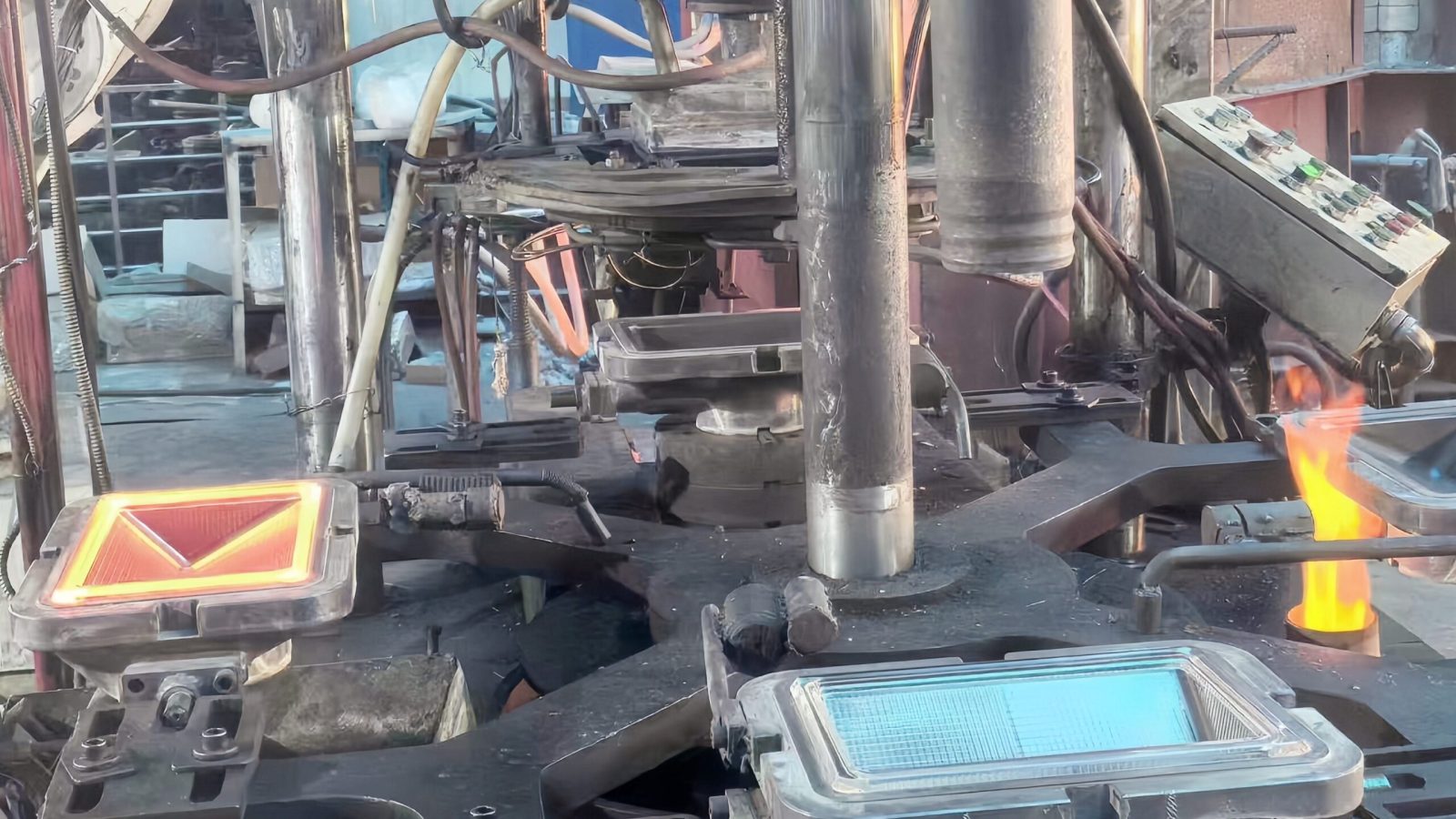
Pressure molding
The preheated mold and molten glass droplets are placed in the pressing machine. The pressing machine presses the glass into the mold through mechanical pressure to ensure that the glass fills every corner and texture. Applying pressure in the glass molding process must be carefully tailored to the shape, thickness, and type of glass material to achieve optimal results.
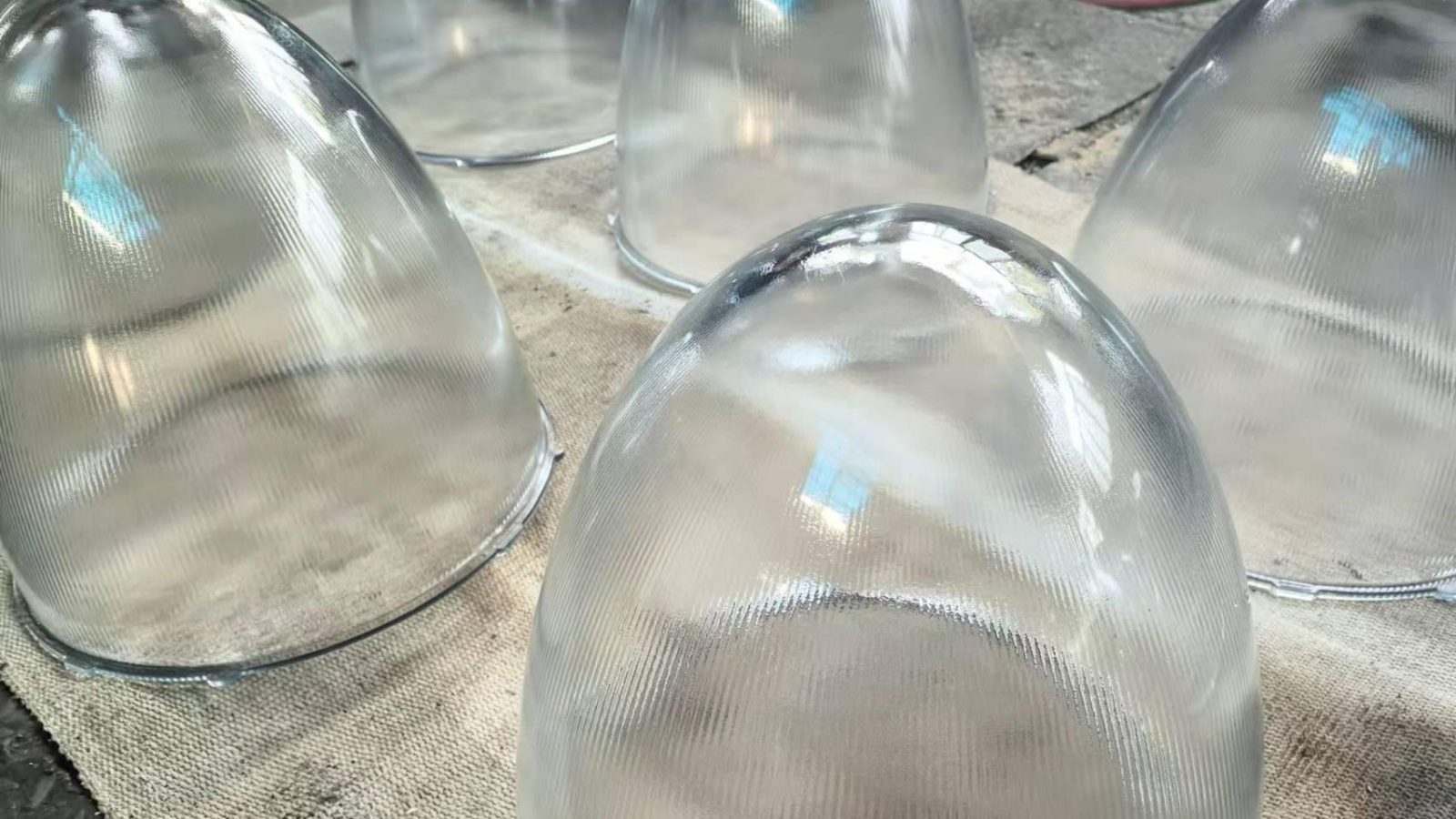
Quality inspection
After demolding, glass products undergo a series of inspections, including appearance, size, surface finish, and internal defects. Any unqualified products are returned to the furnace for remelting.
Annealing treatment
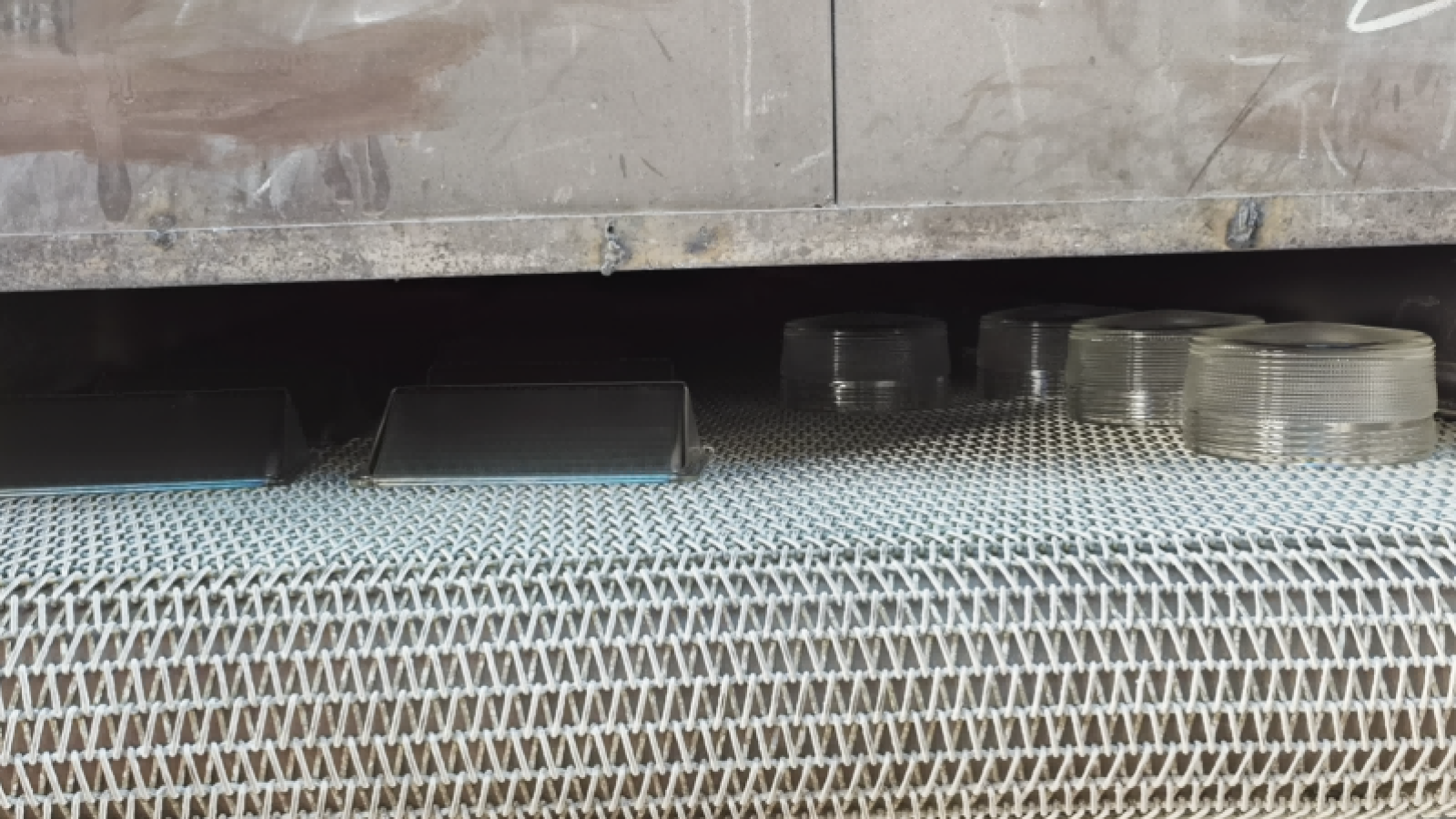
Controlled annealing is used to reduce internal stress after forming. The cycle depends on the glass, wall thickness and geometry.
Fire polishing
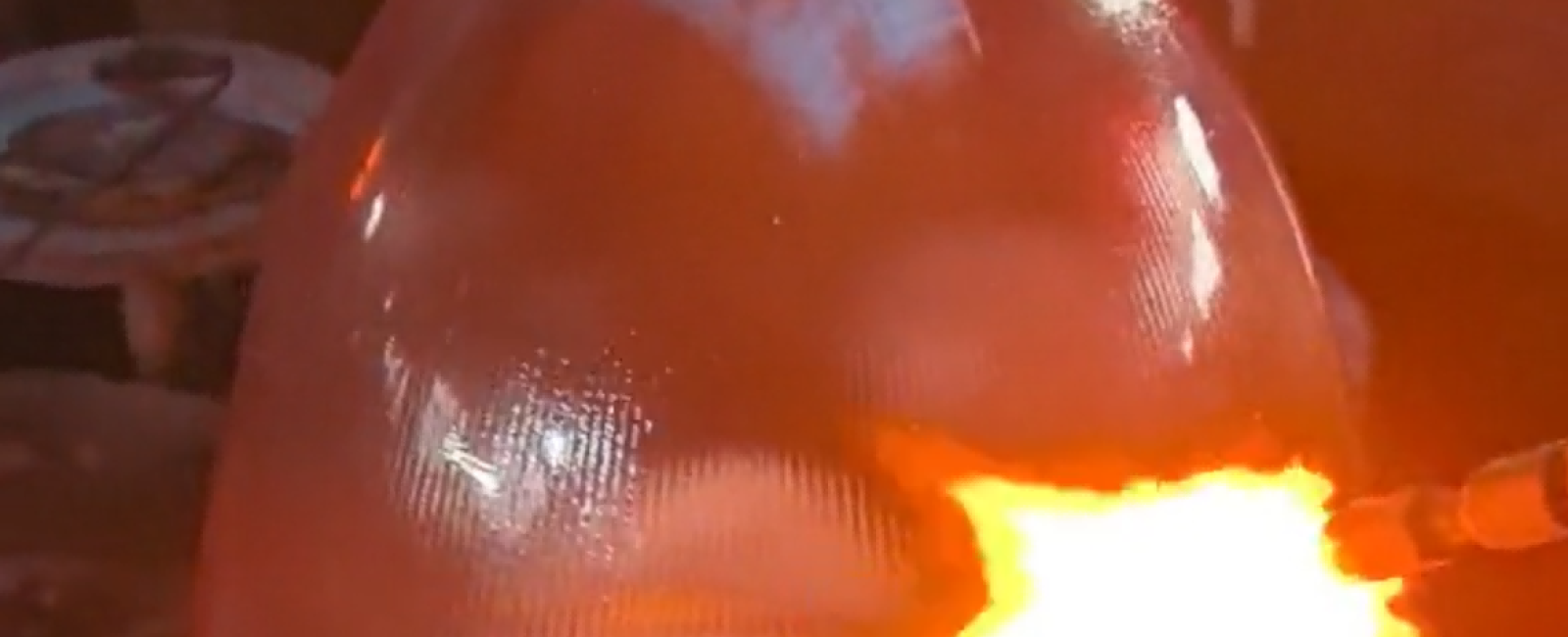
Flame polishing is a sophisticated process that uses high-temperature flames to instantly melt the glass surface to eliminate microscopic defects, which can significantly improve the smoothness and light transmittance of glass products.
Cutting
Subsequent cutting is reviewed for the glass, thickness, geometry and required edge quality. Tolerances are confirmed for the specific part.
Edging
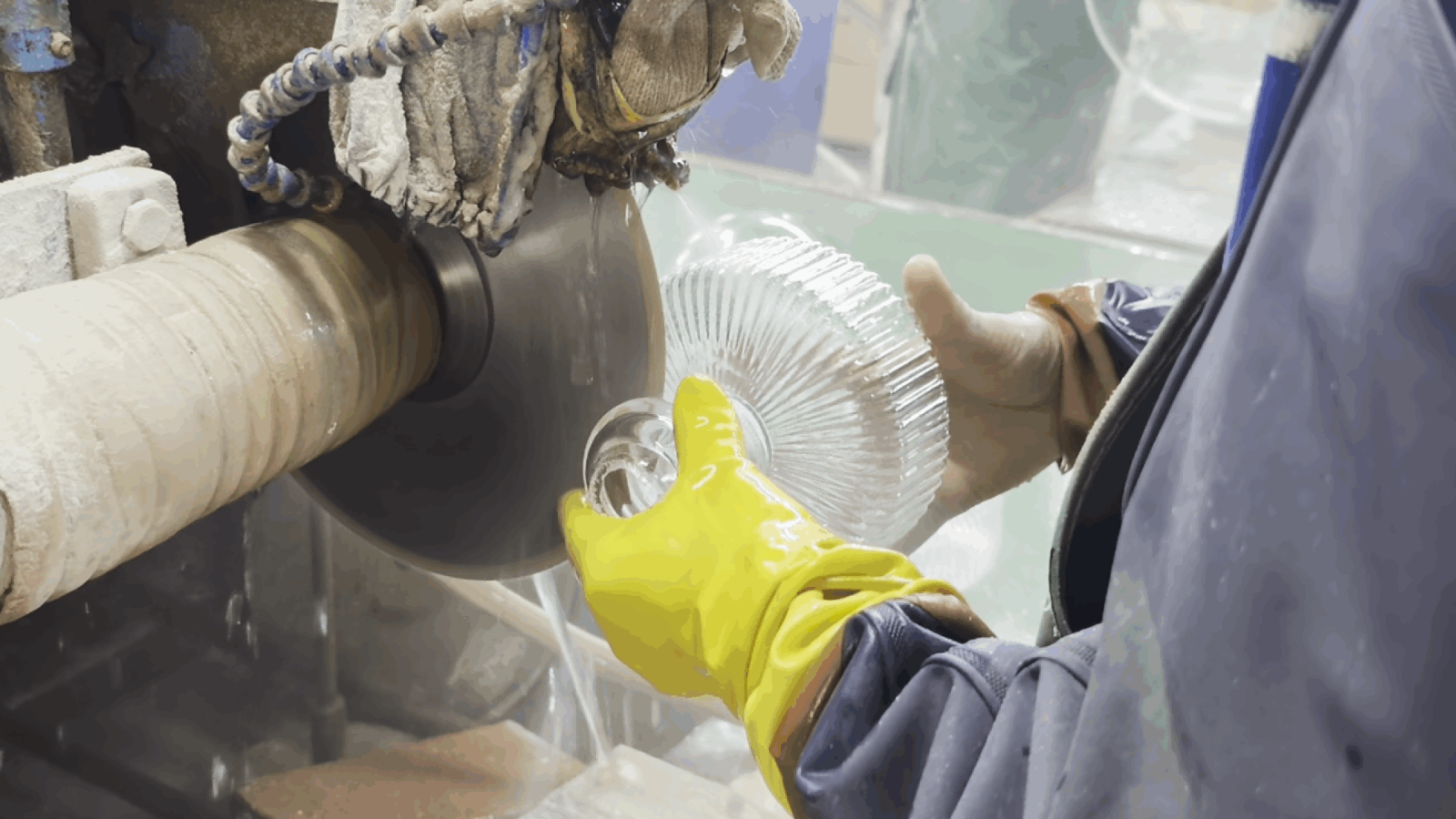
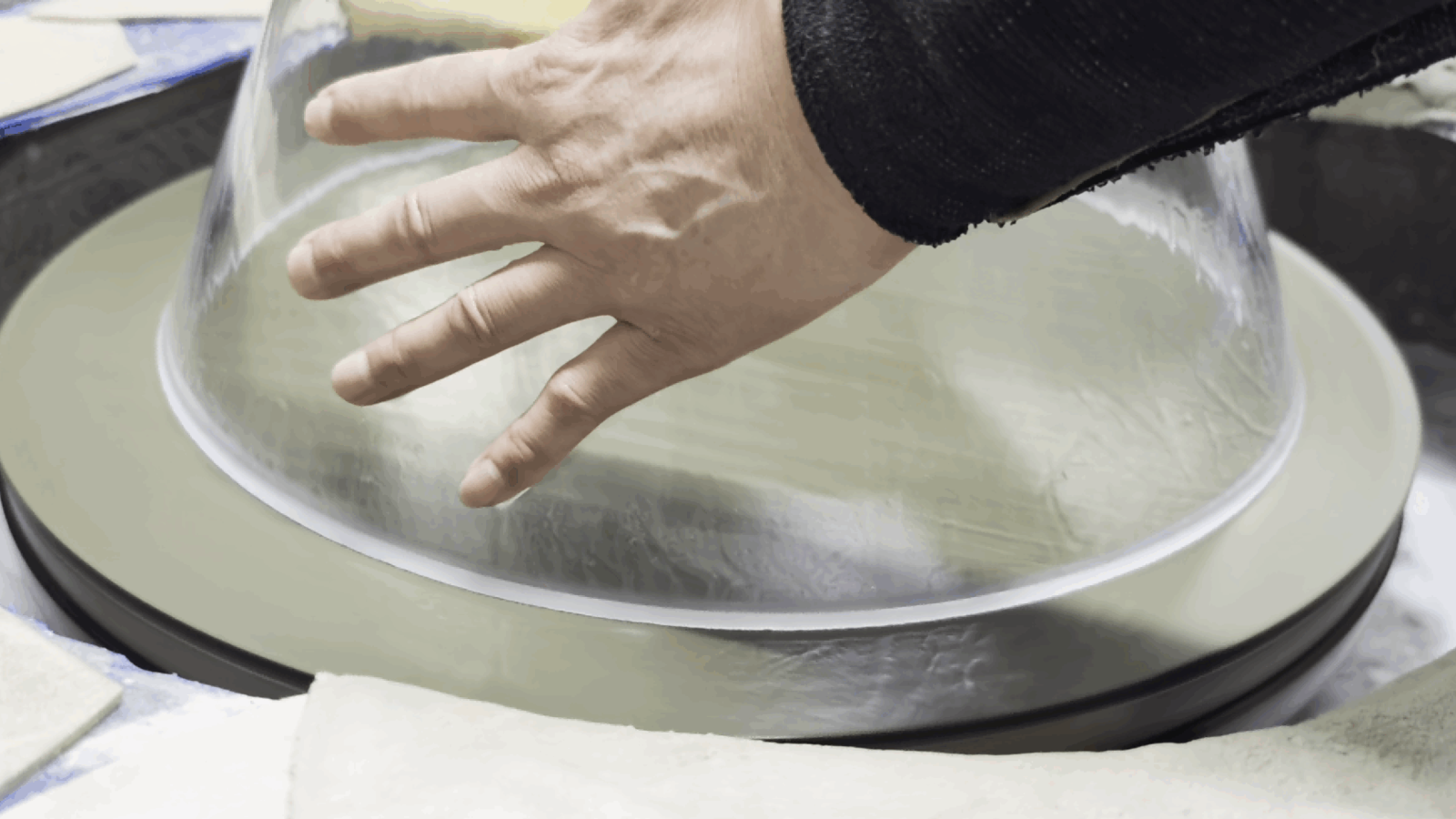
BO-GLASS uses multi-stage precision grinding technology to quickly remove unevenness and processing residues on the glass surface, ensuring accurate product size and consistent shape. From initial shaping to fine finishing, we use intelligent process control to achieve efficient production, reduce material loss, and provide a uniform and delicate base surface for subsequent polishing.
Chamfer
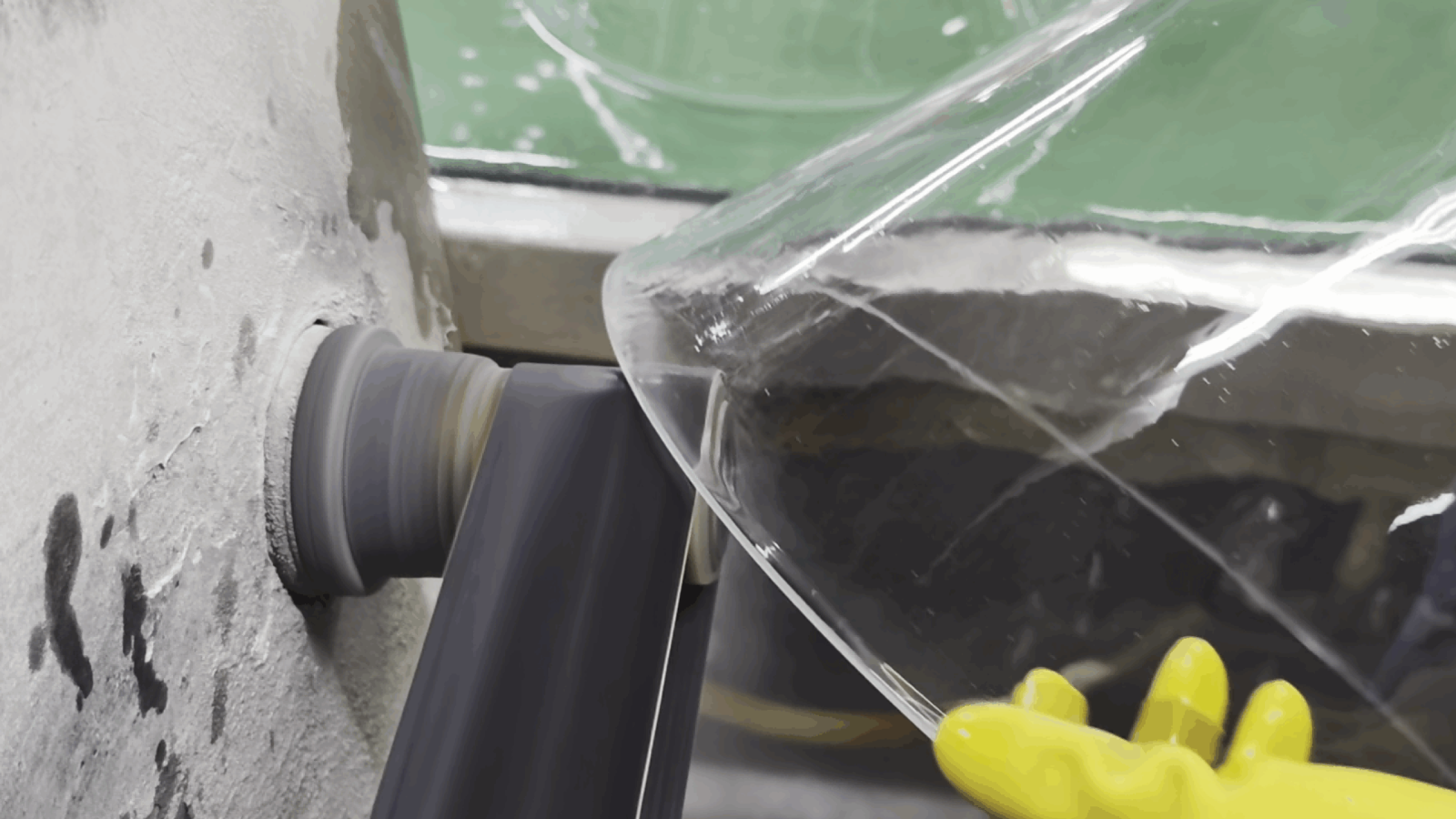
Chamfers and exposed edges are finished to the profile and dimensions specified for the component and its intended handling.
Cleaning
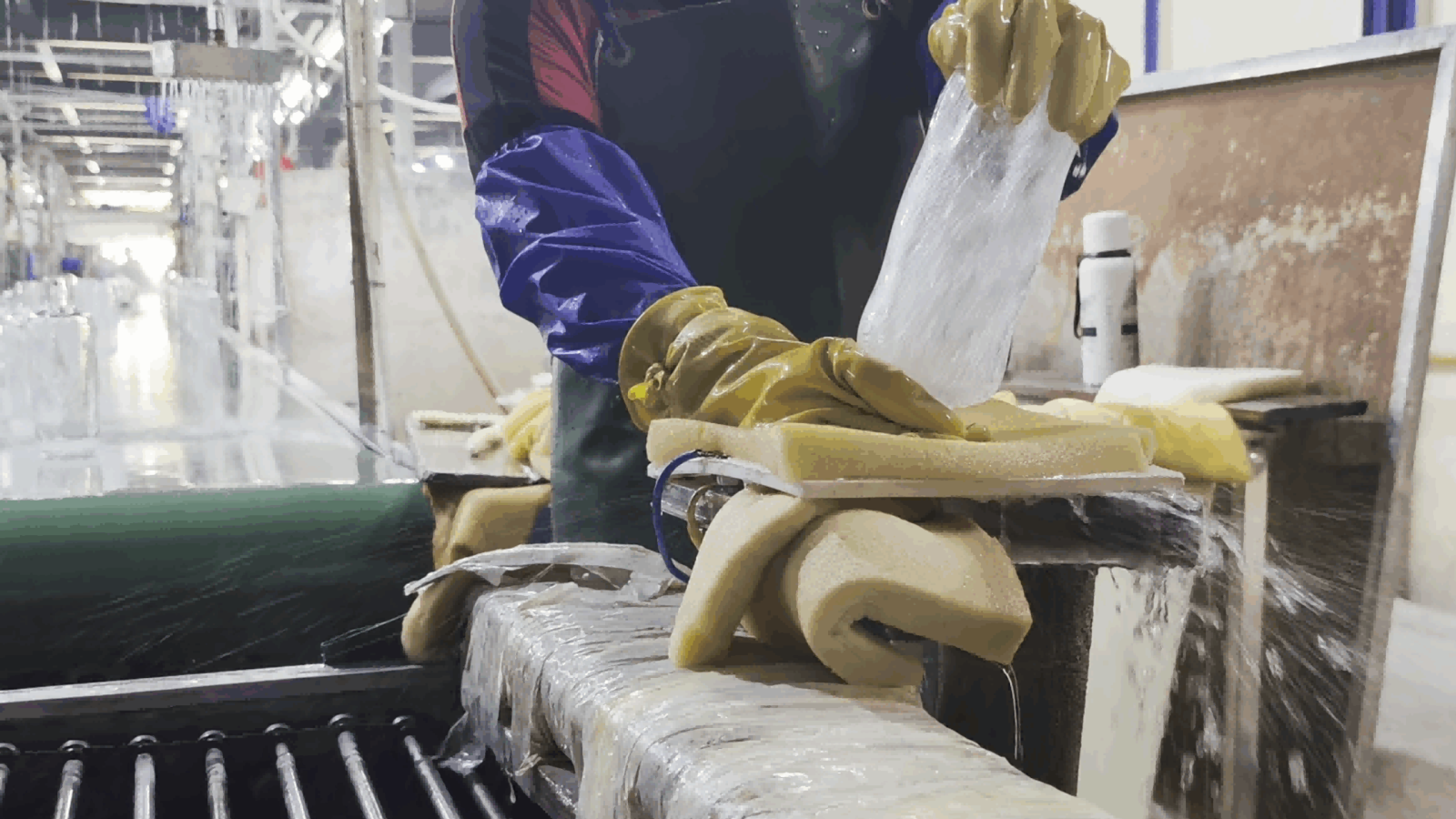
Glass surfaces exposed to the atmosphere are generally contaminated. Any useless substance and energy on the surface is a pollutant, and any treatment will cause pollution. Surface pollution can be gas, liquid or solid in terms of its physical state, and it exists in the form of film or particles.
Quality inspection and packaging
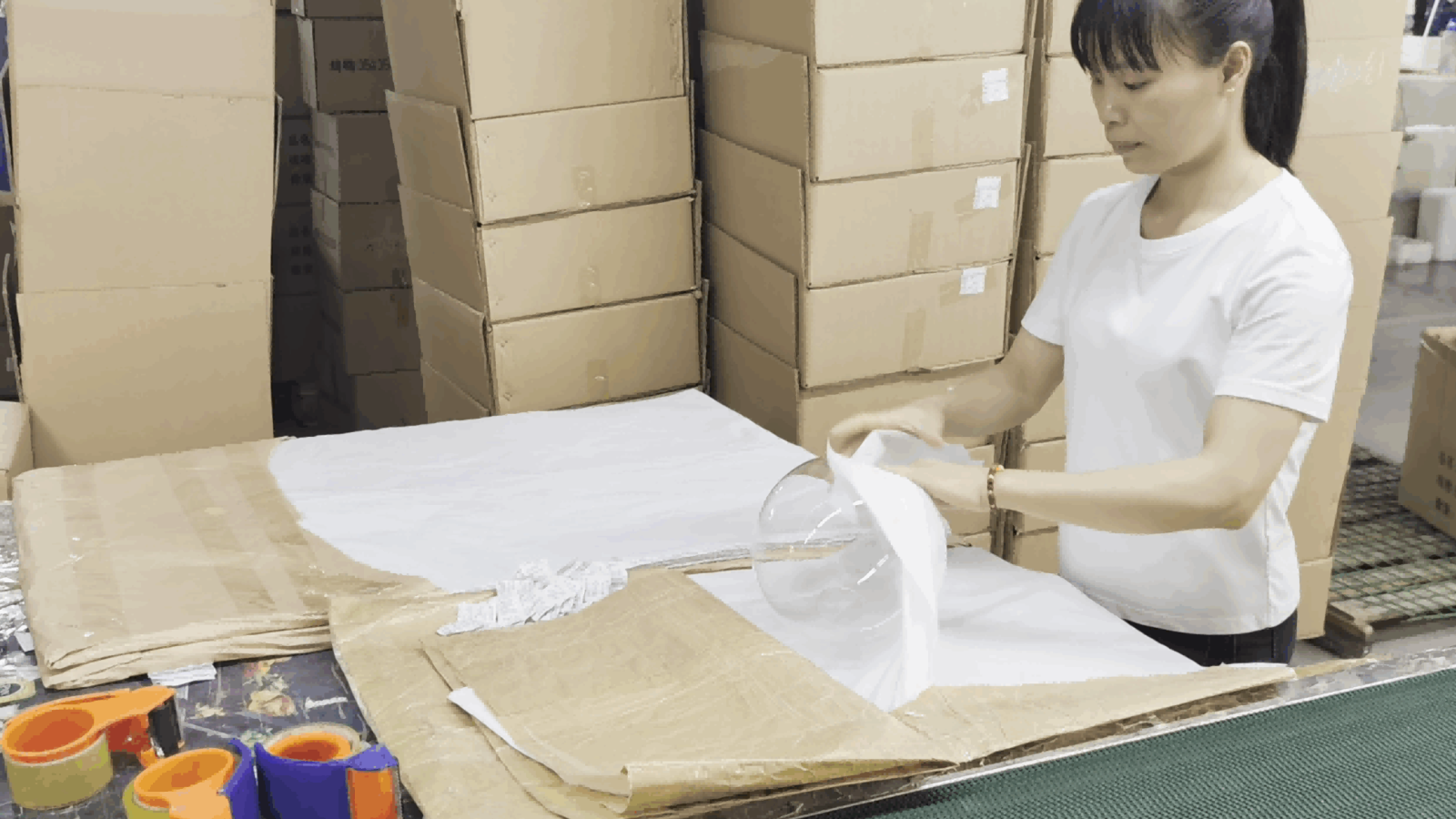
Our team of highly-trained packaging specialists will expertly craft premium-quality packaging solutions that showcase your products in their most elegant light.
Order Process
Talk With US
BO-GLASS provides custom glass fabrication from prototypes to volume production, with solutions tailored to your specifications.
- Free quotes and design consultations
- Request product information from our team
- Worry-free returns
- OEM&ODM
- Responsive Support
- Rapid Production
- Low MOQ
SEND US AN EMAIL
sales@bo-glass.com