
Mould Making
Your Reliable Glass Fabrication Solutions Expert
Precision-engineered custom glass solutions, empowering global innovation for over 20 years.
Trusted Supplier to Fortune 500 Companies
10000+ customers service experience
12,000 m2 production base,24 hours running production lines;
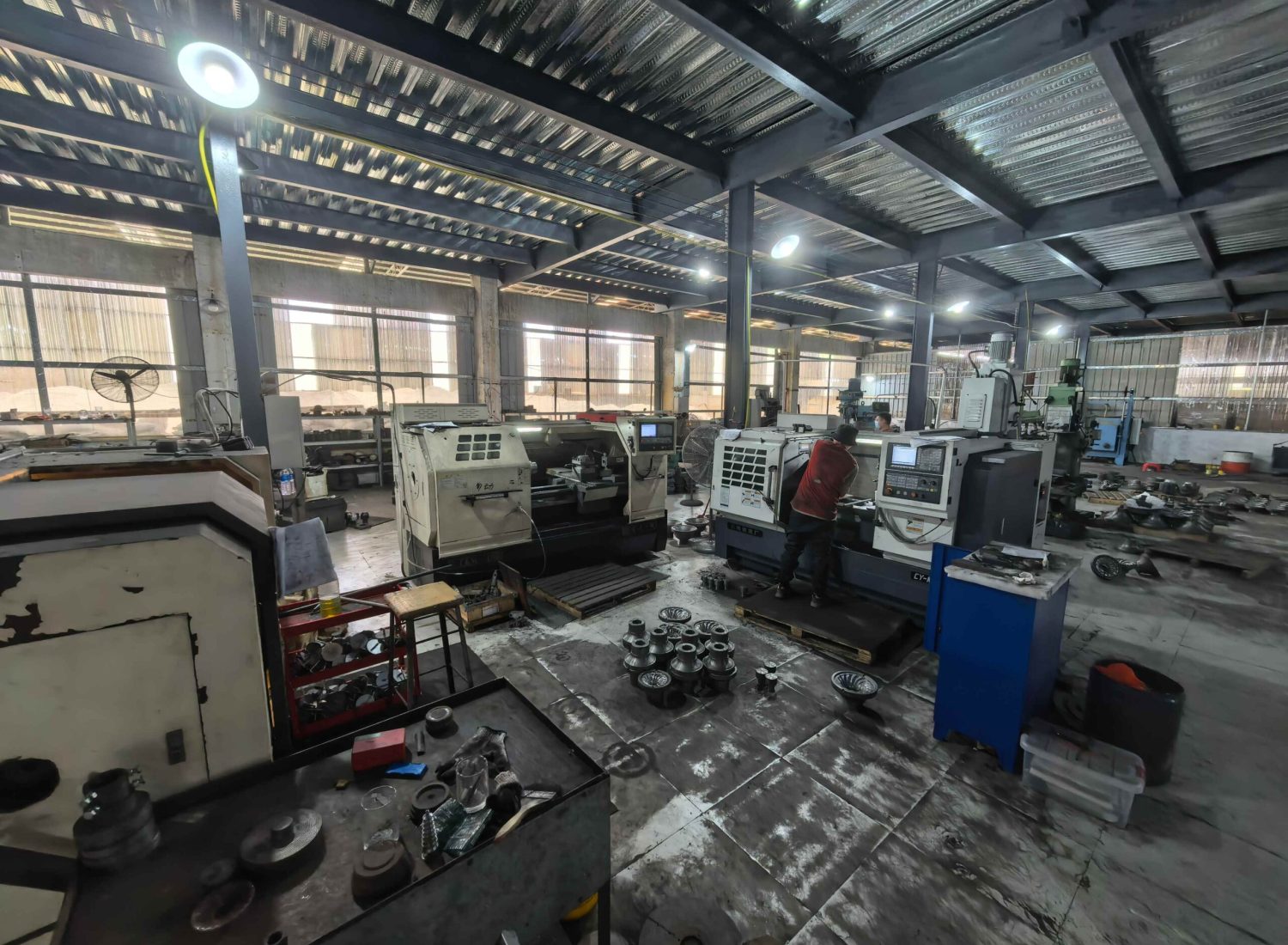
Custom Mold Manufacturing
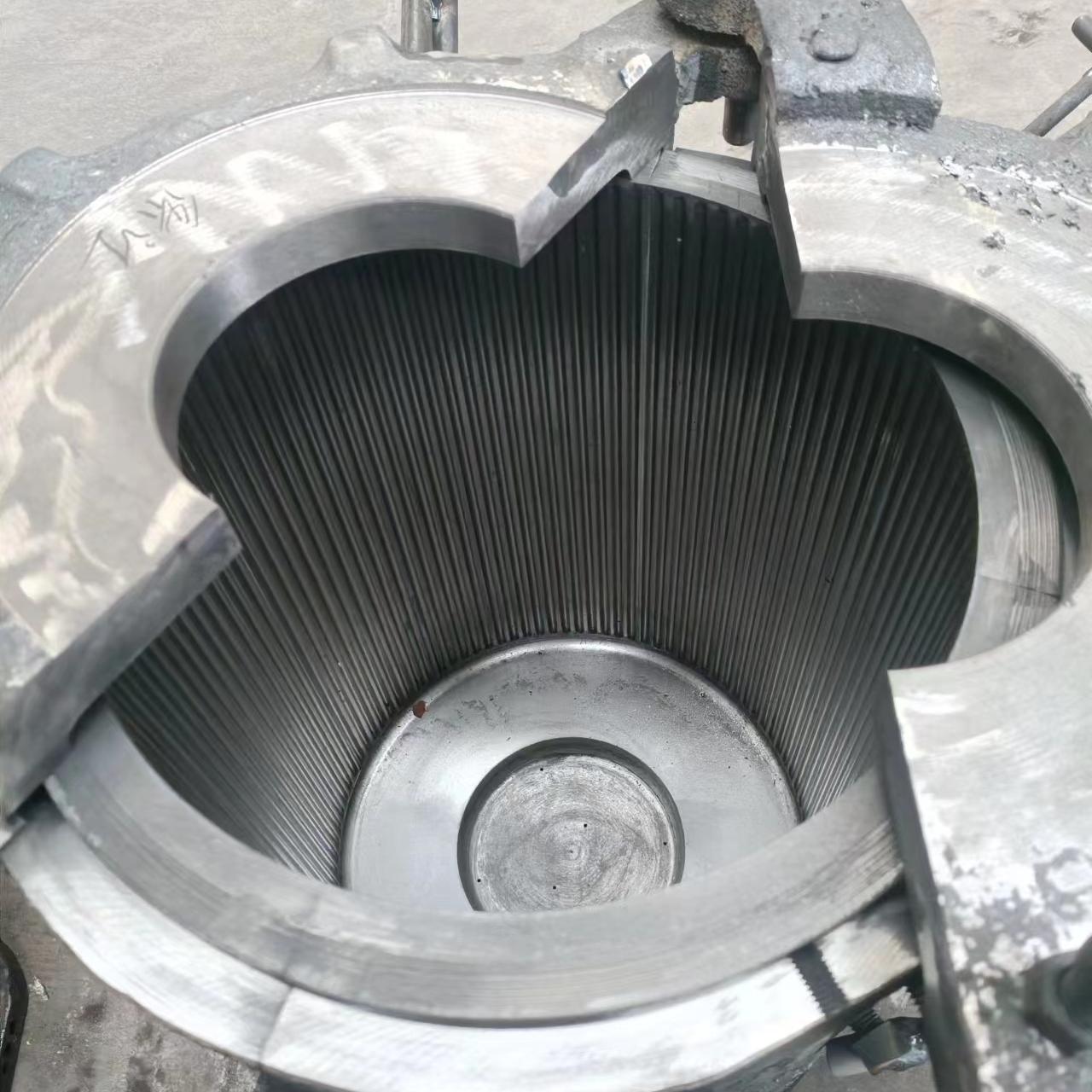
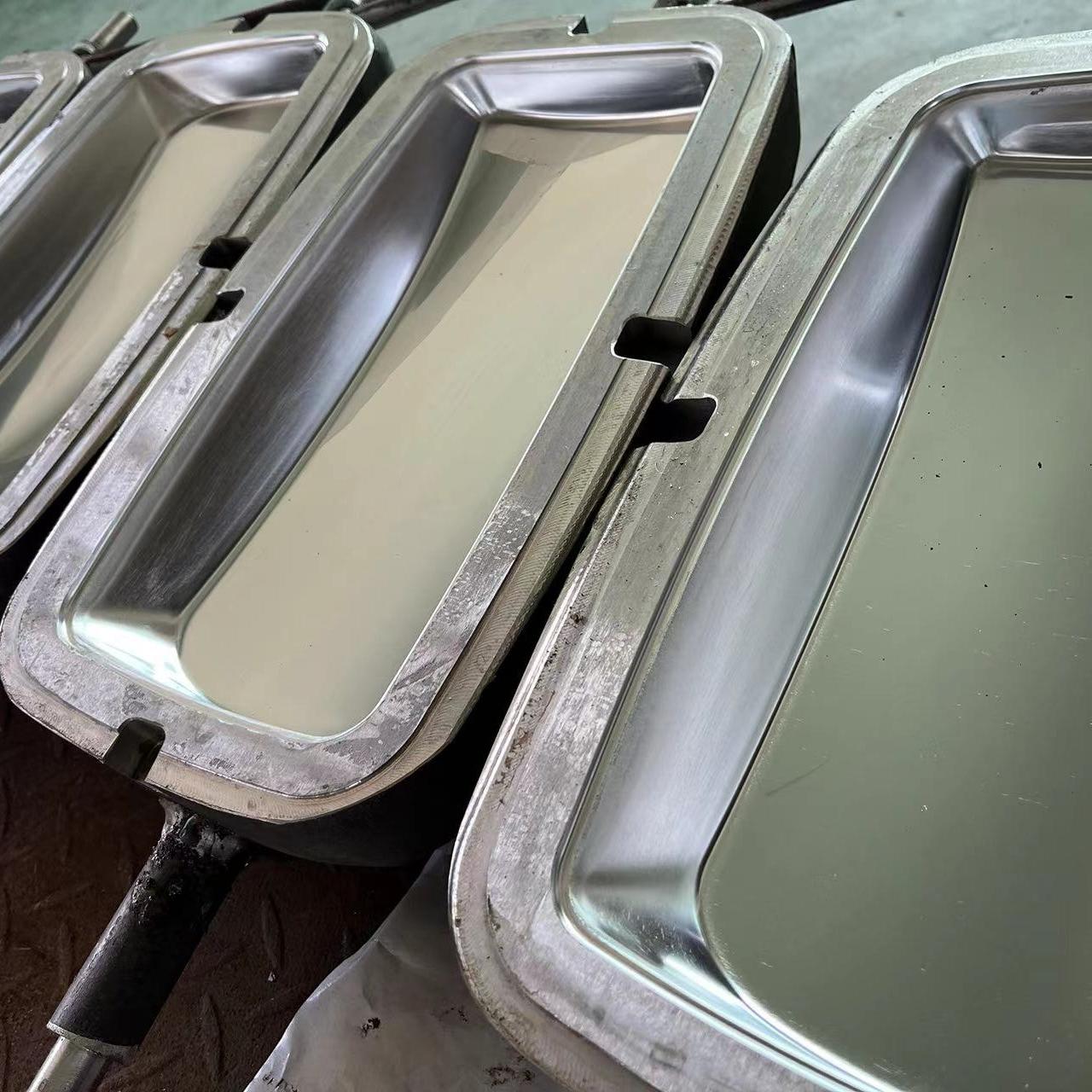
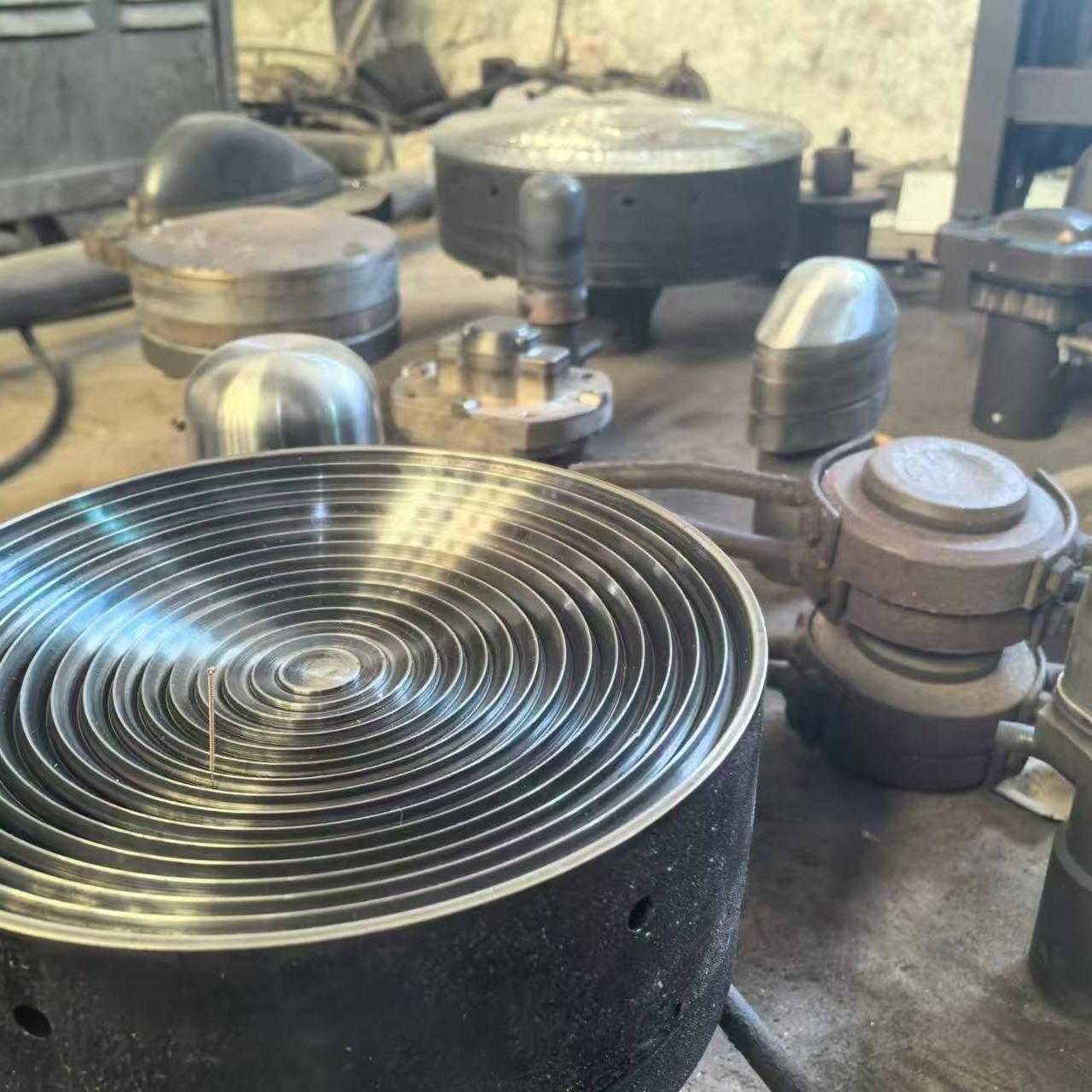
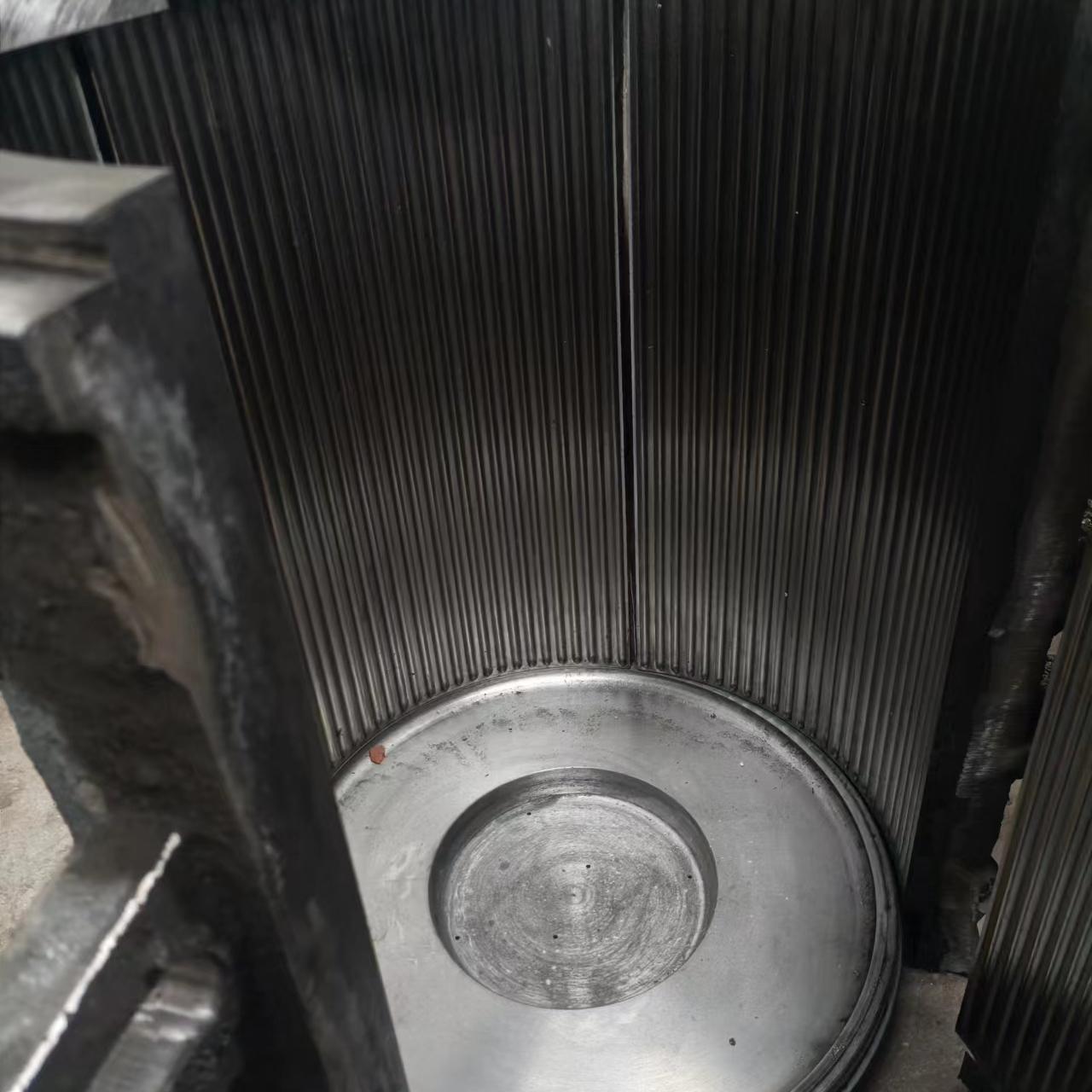
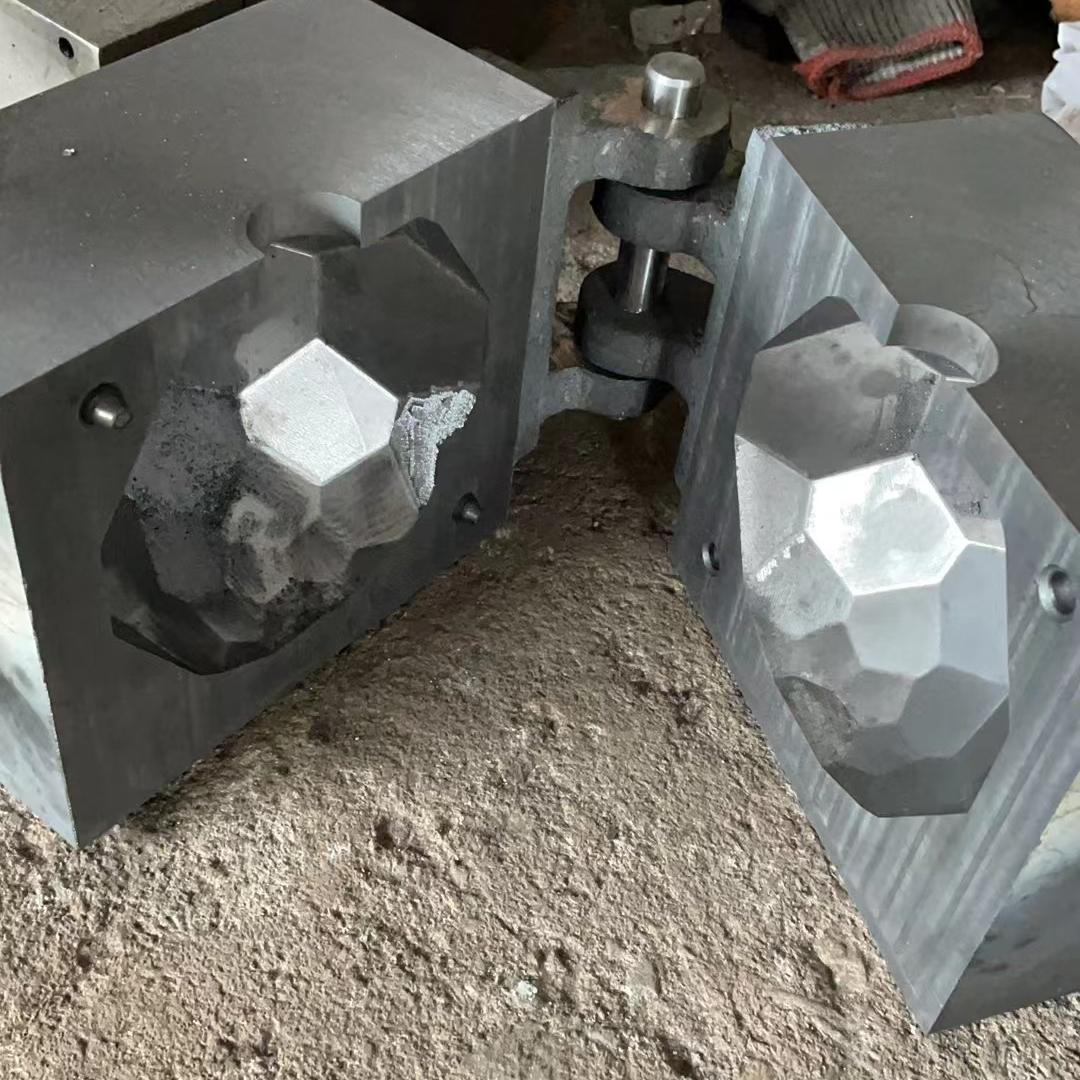
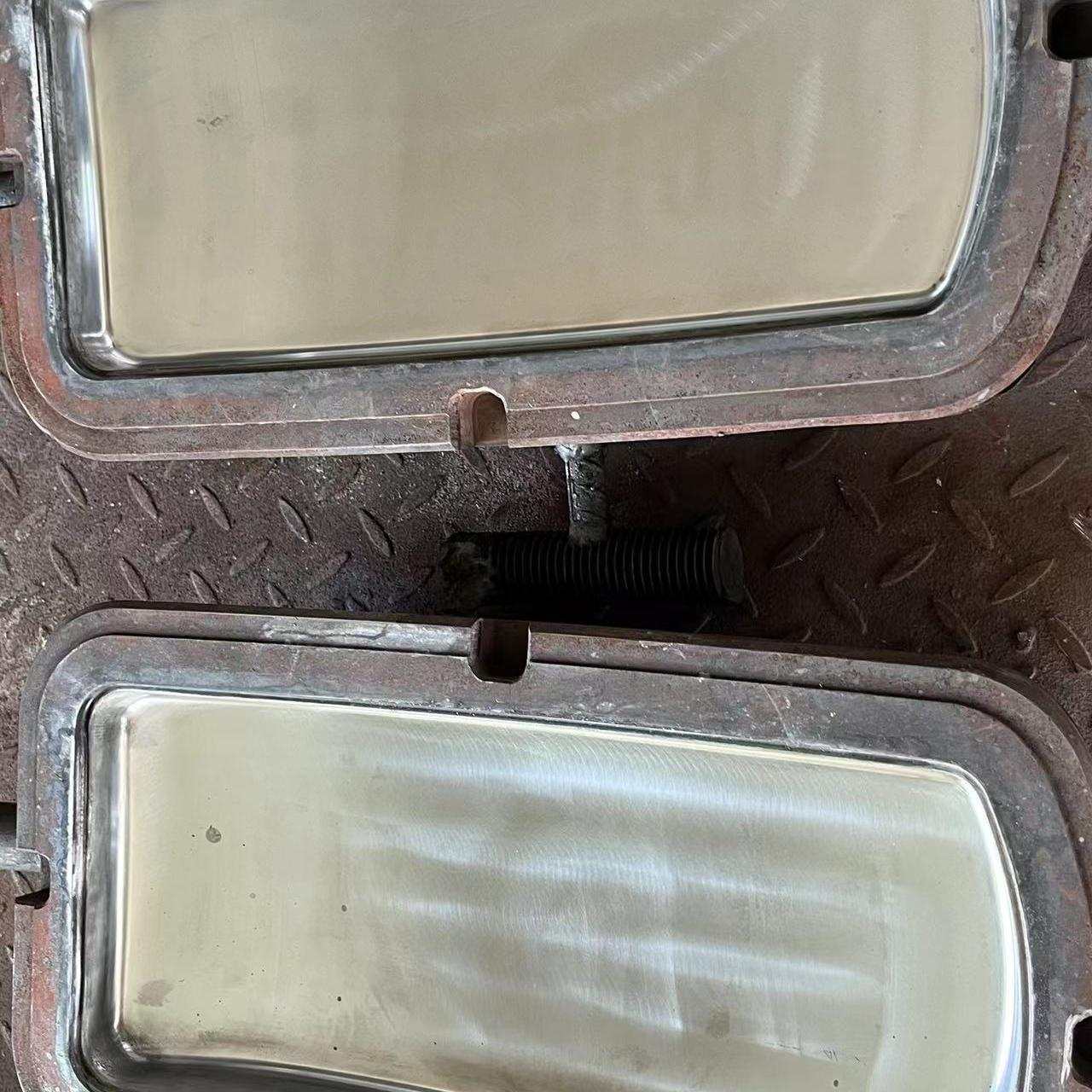
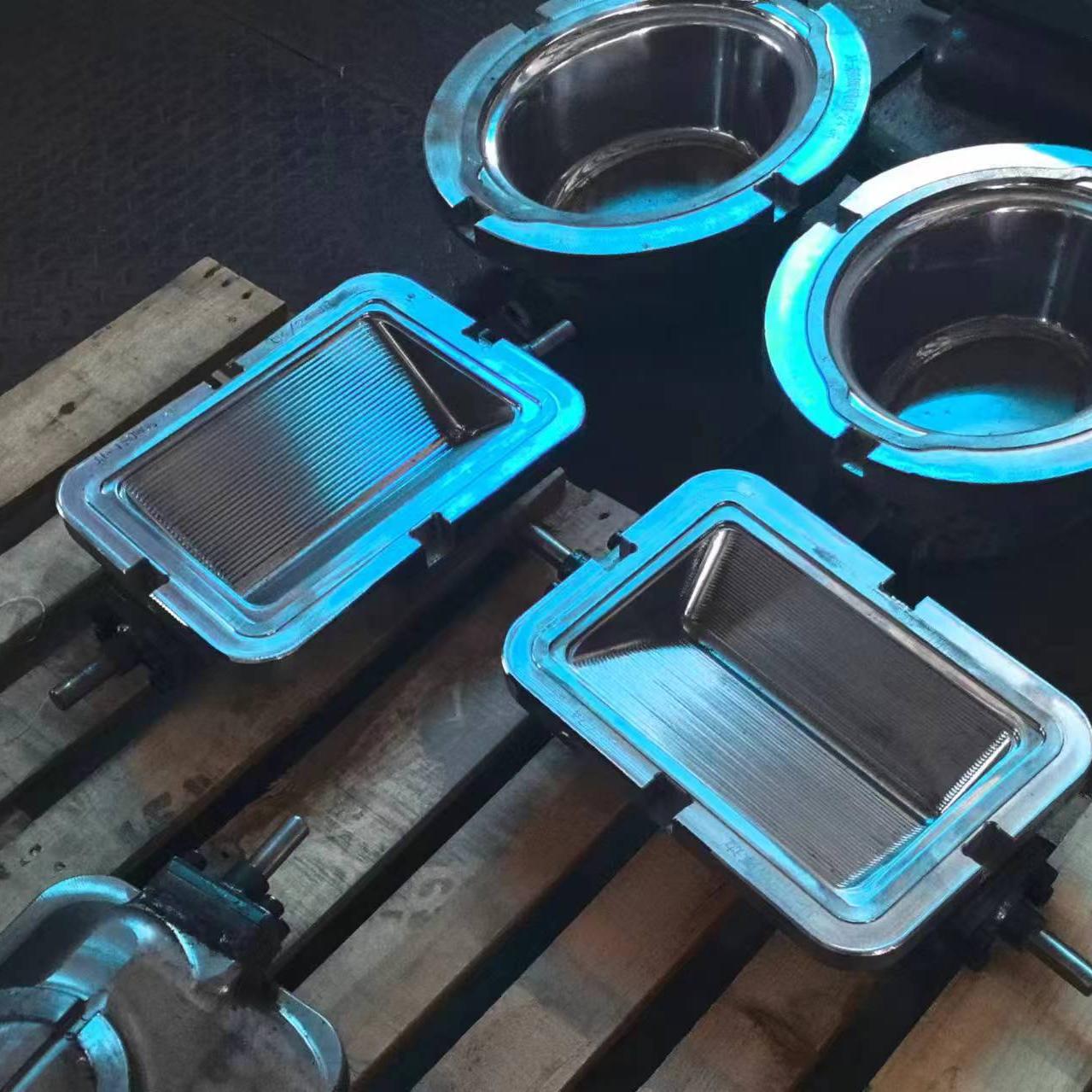
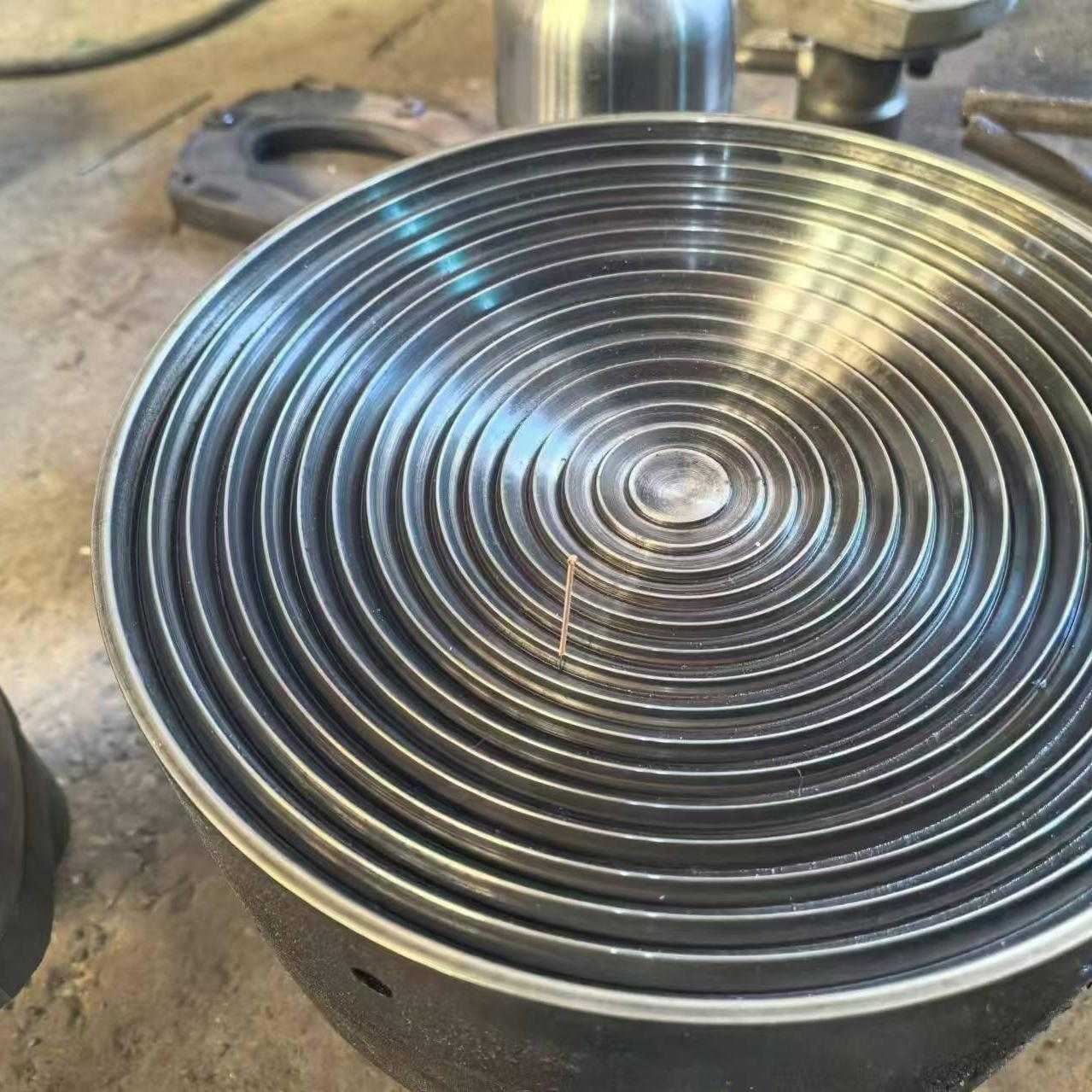
Custom molds are molded into a cavity or core of a specific shape on a special material (usually steel) through multiple precision machining processes. The process begins in the mold shop, where the pre-machined mold base components are firmly assembled into an integral structure through a welding process. Subsequently, the welded mold is precisely milled, turned, or ground using a lathe to machine the required core shape and key surfaces. After rough machining, the mold surface will be initially polished to improve the finish. Then, according to the design requirements, high-precision drilling operations are performed at specific locations to form cooling water channels, ejector holes, or other functional holes. After the drilling process is completed, the mold must undergo another meticulous final polishing to ensure that all molding surfaces meet extremely high finish requirements, thereby ensuring the quality of the final product. The core advantage of custom mold manufacturing is that it can process molding cavities with highly complex shapes and an excellent surface finish. Therefore, it is widely used in fields that require large-scale and high-consistency production of complex plastic or metal parts, such as the manufacture of injection molds, stamping molds, die-casting molds, and precision mechanical parts.


Our Mold Processing Workshop
Mold manufacturing is the process of transforming designs into physical objects, and shaping specific shapes and structures on hard materials such as steel through a series of precision machining and processing procedures. These processes work together to ensure that the mold has high precision, high strength and excellent surface quality to meet the needs of large-scale, high-consistency product molding.
Basic processing in the mold workshop:
Manufacturing starts with a professional mold workshop. According to the design drawings, steel of appropriate specifications (such as P20, H13, 718, S136, etc.) is selected for cutting. Rough processing is performed on large milling machines, planers or machining centers to remove most of the excess, and the contours and reference surfaces of the main components such as the base, template, mold core (cavity/core) of the mold are initially formed, laying the foundation for subsequent fine processing.
Basic processing in the mold workshop:
Manufacturing starts with a professional mold workshop. According to the design drawings, steel of appropriate specifications (such as P20, H13, 718, S136, etc.) is selected for cutting. Rough processing is performed on large milling machines, planers or machining centers to remove most of the excess, and the contours and reference surfaces of the main components such as the base, template, mold core (cavity/core) of the mold are initially formed, laying the foundation for subsequent fine processing.
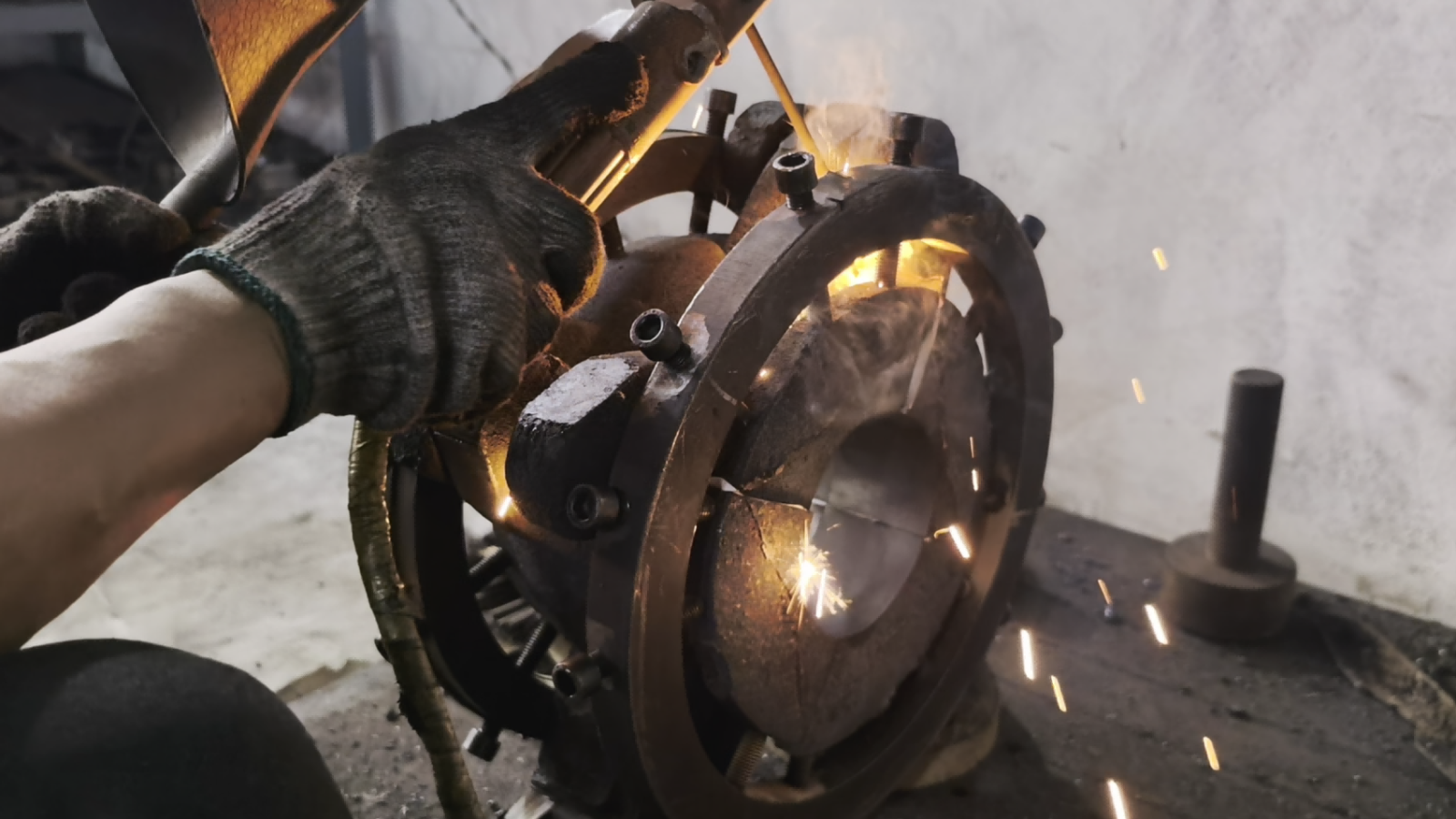
Mold structure welding:
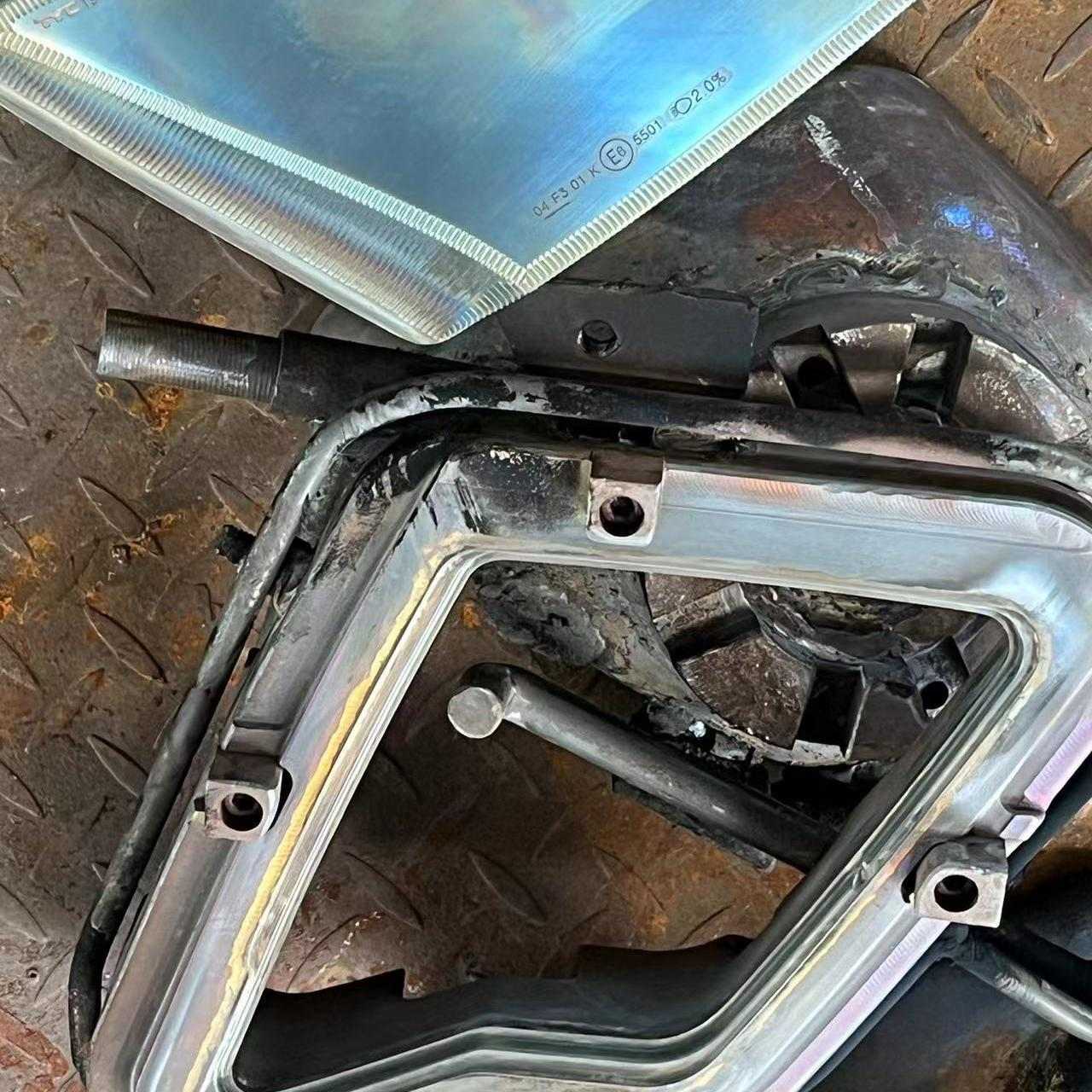
For large molds, local areas that need to be repaired (such as processing errors or wear) or specific structural reinforcements, precision welding technology (commonly TIG welding or laser welding) is used. Special welding wires that match the parent material are used to weld under strictly controlled heat input to minimize thermal deformation and stress. Stress relief annealing is usually required after welding to ensure structural integrity and dimensional stability.
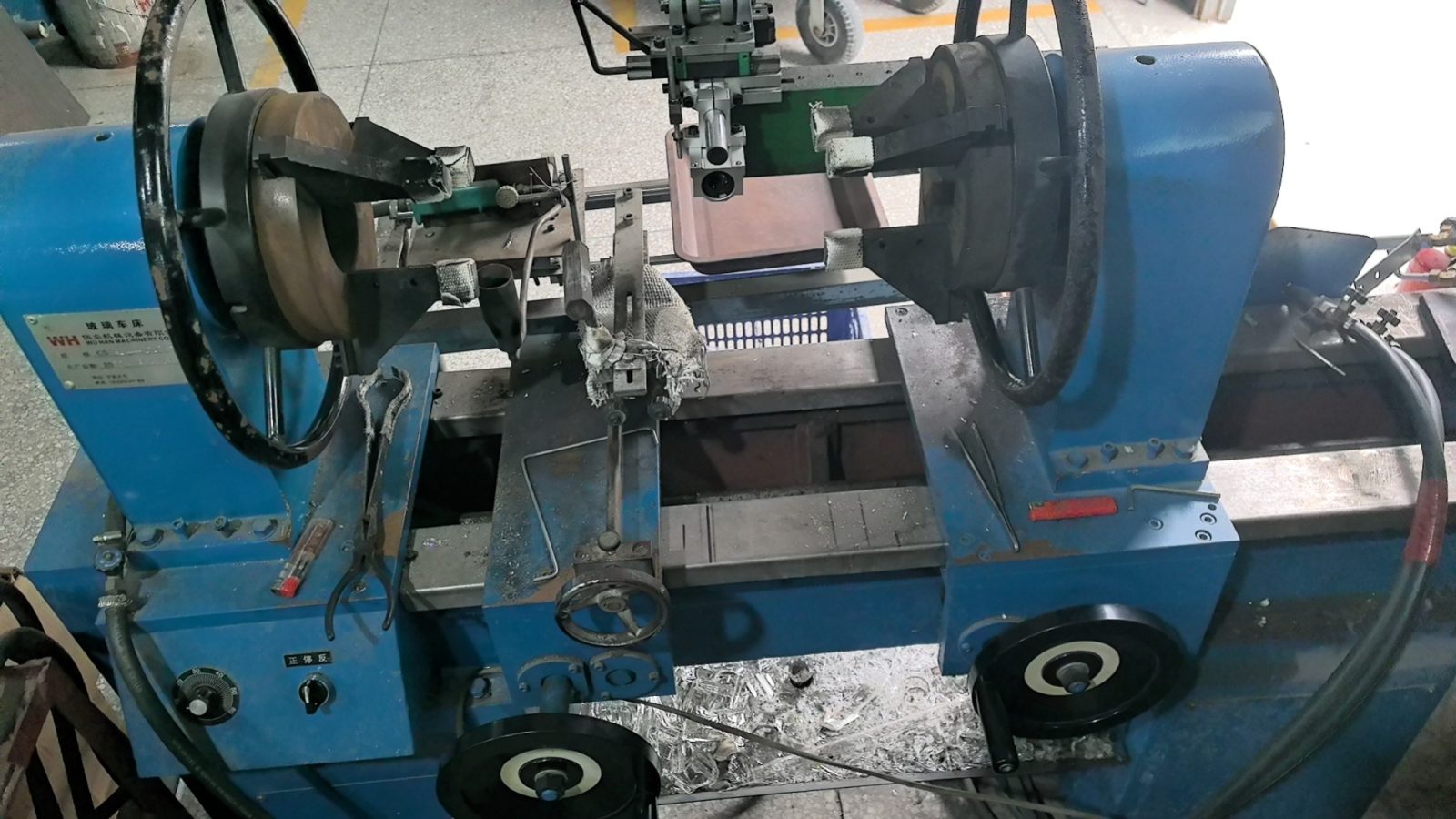
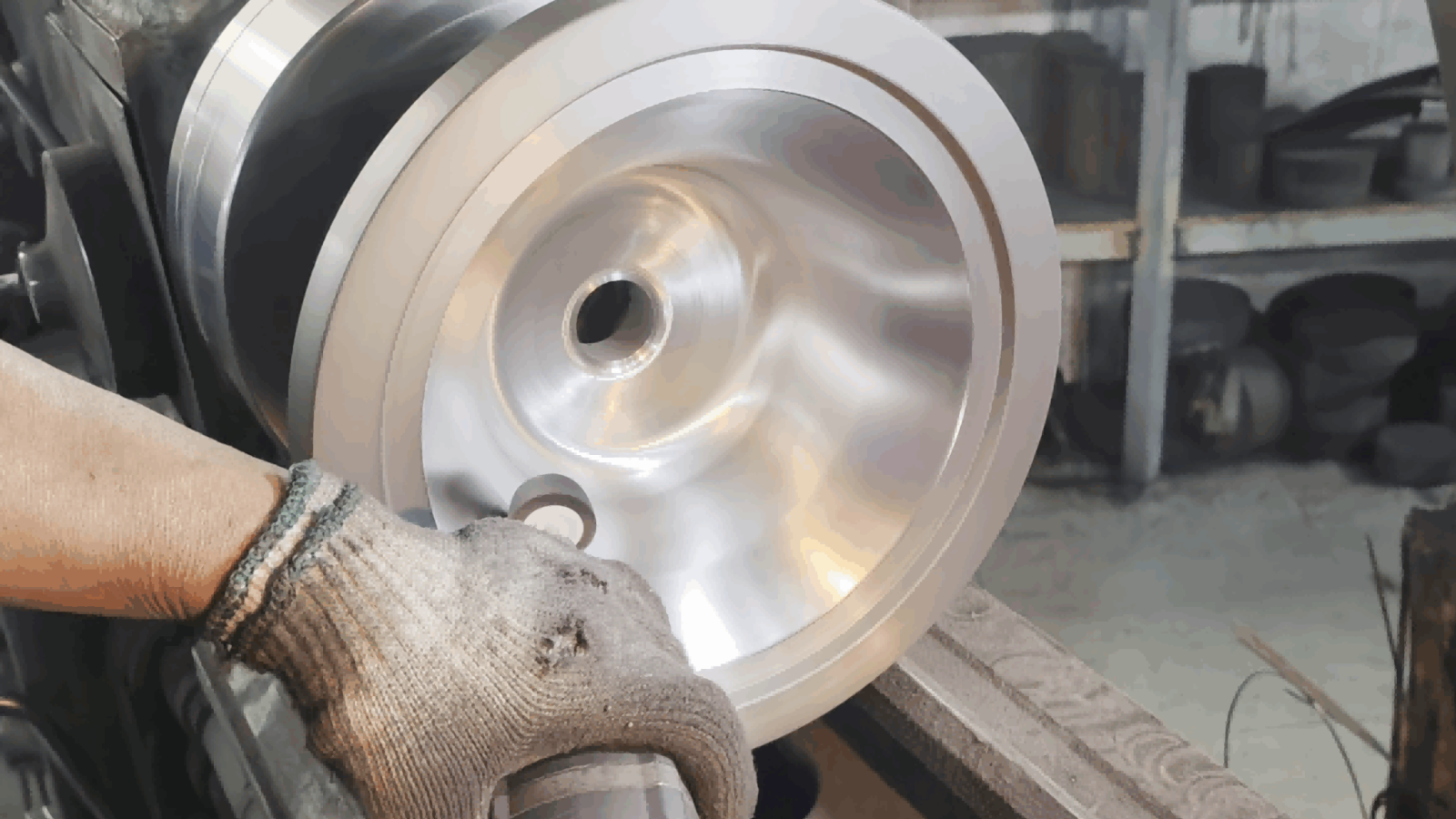
Precision turning and milling:
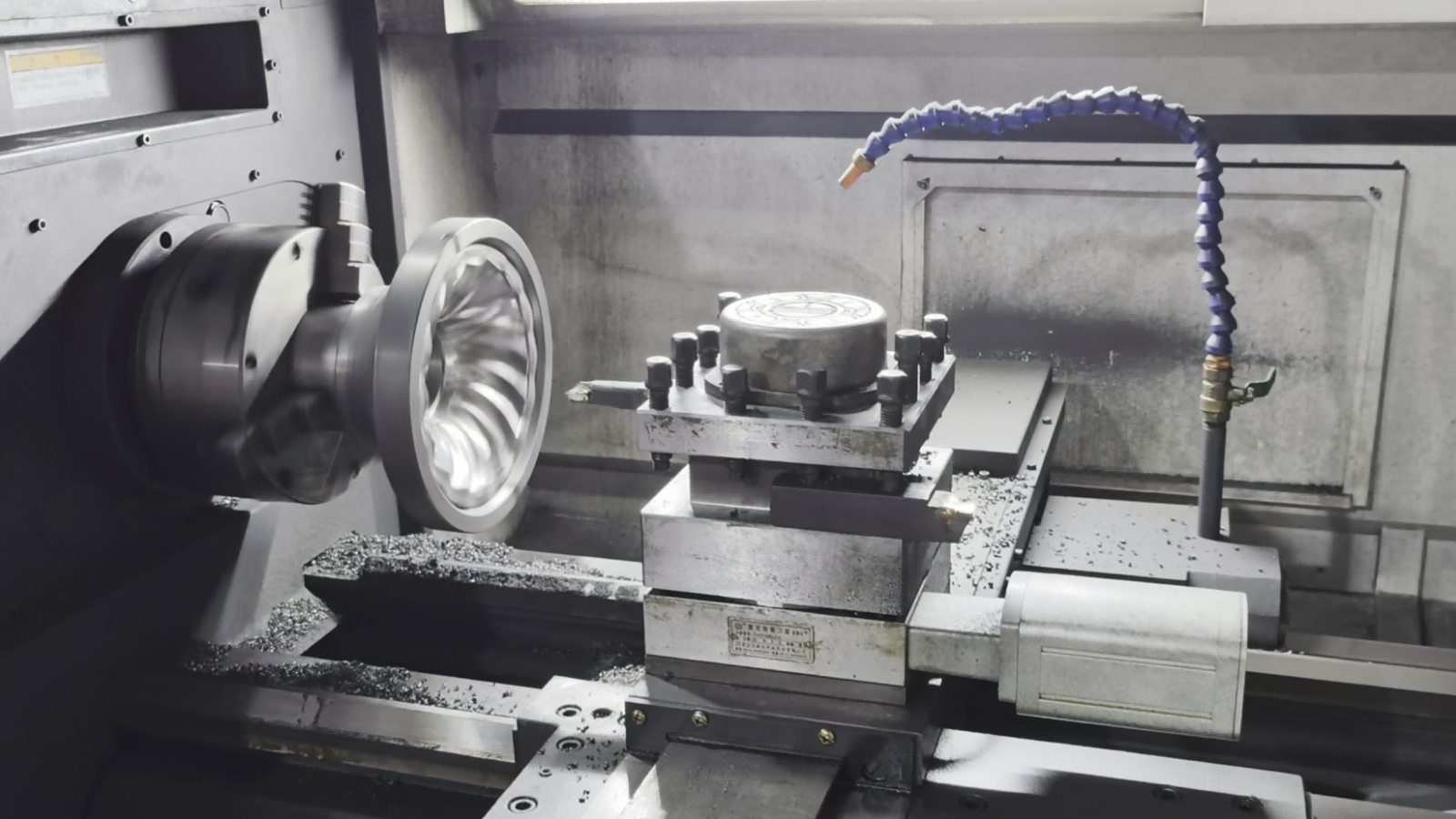
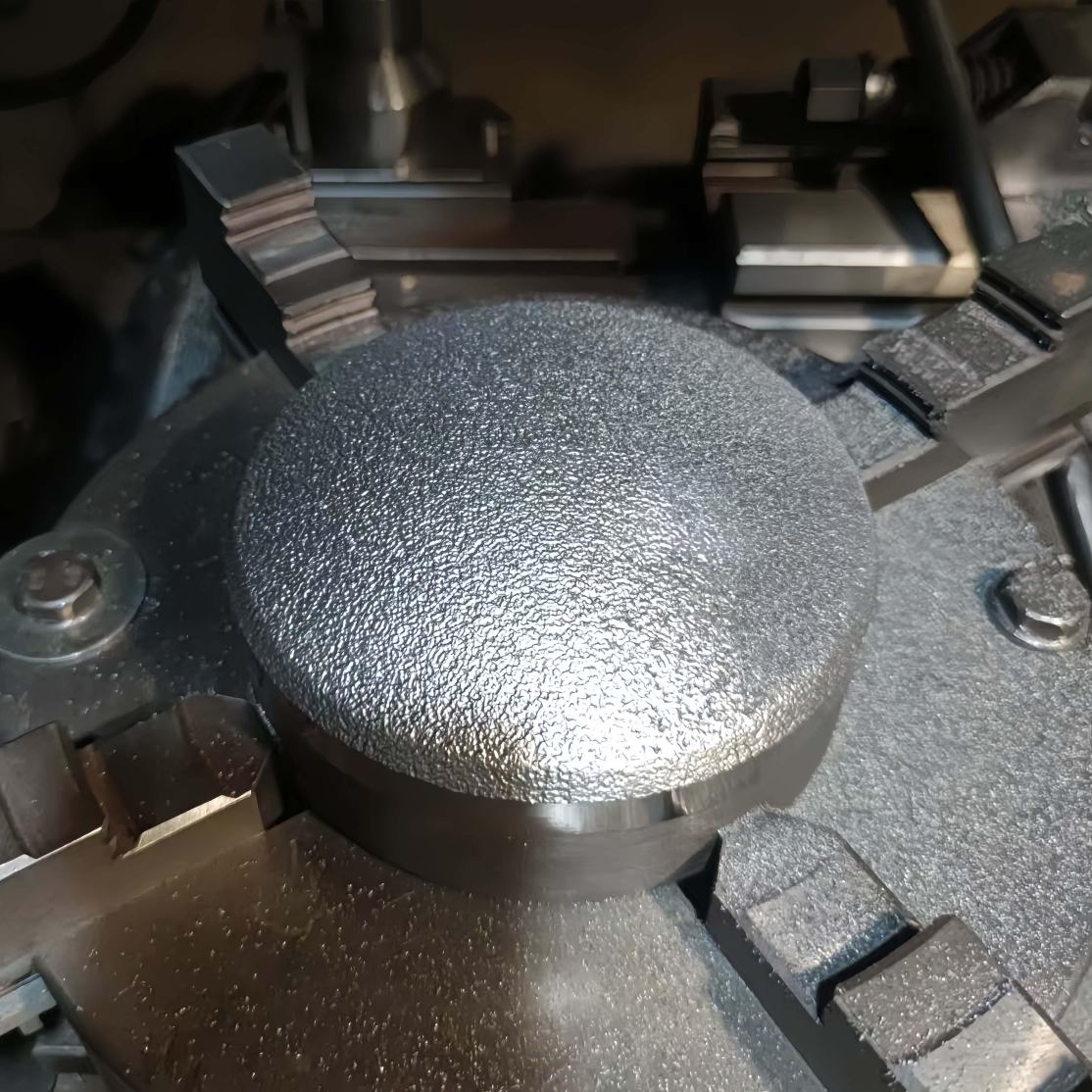
Use high-precision CNC lathes (CNC Lathe) and CNC milling/machining centers (CNC Milling/Machining Center) to finish the key components of the mold. Lathes are mainly used to process cylindrical, conical or revolving parts (such as guide pillars, guide sleeves, inserts, ejectors, etc.) to ensure strict roundness, cylindricity and dimensional tolerances. Milling machines/machining centers are responsible for the precision milling of complex three-dimensional surfaces, cavities, cores, sliders, inclined tops and other core forming parts to achieve the geometric shape and dimensional accuracy required by the design (often up to micron level).
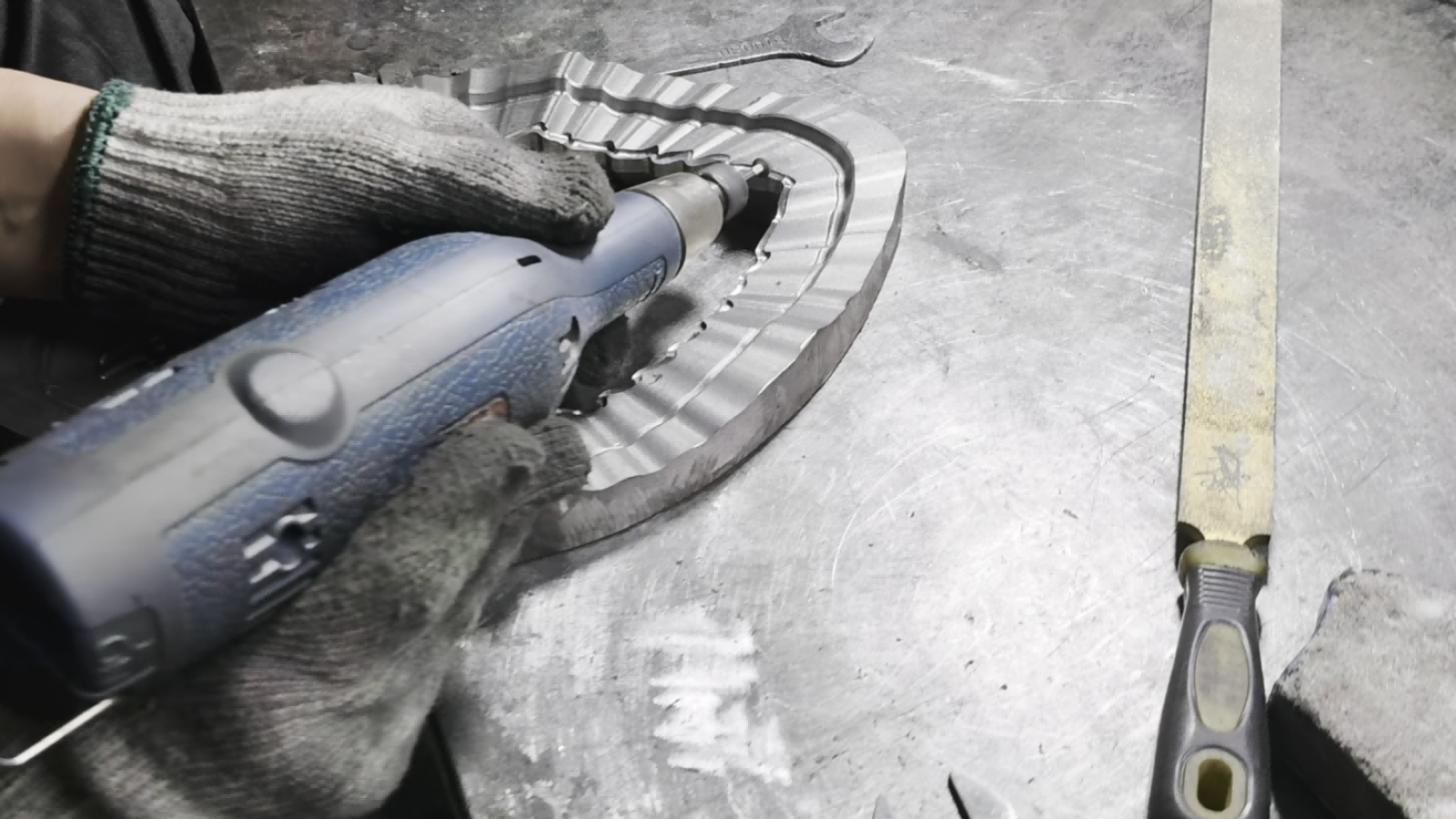
Mold surface polishing:
After the key molding surfaces (cavity, core surface) are machined, the initial polishing (rough to medium polishing) is performed. Use sandpaper, oilstone, or mechanical/ultrasonic polishing equipment from coarse to fine to gradually remove machining marks and improve surface finish in preparation for possible subsequent texture etching or final polishing. The goal of this stage is to obtain a uniform and consistent matte or semi-gloss surface.
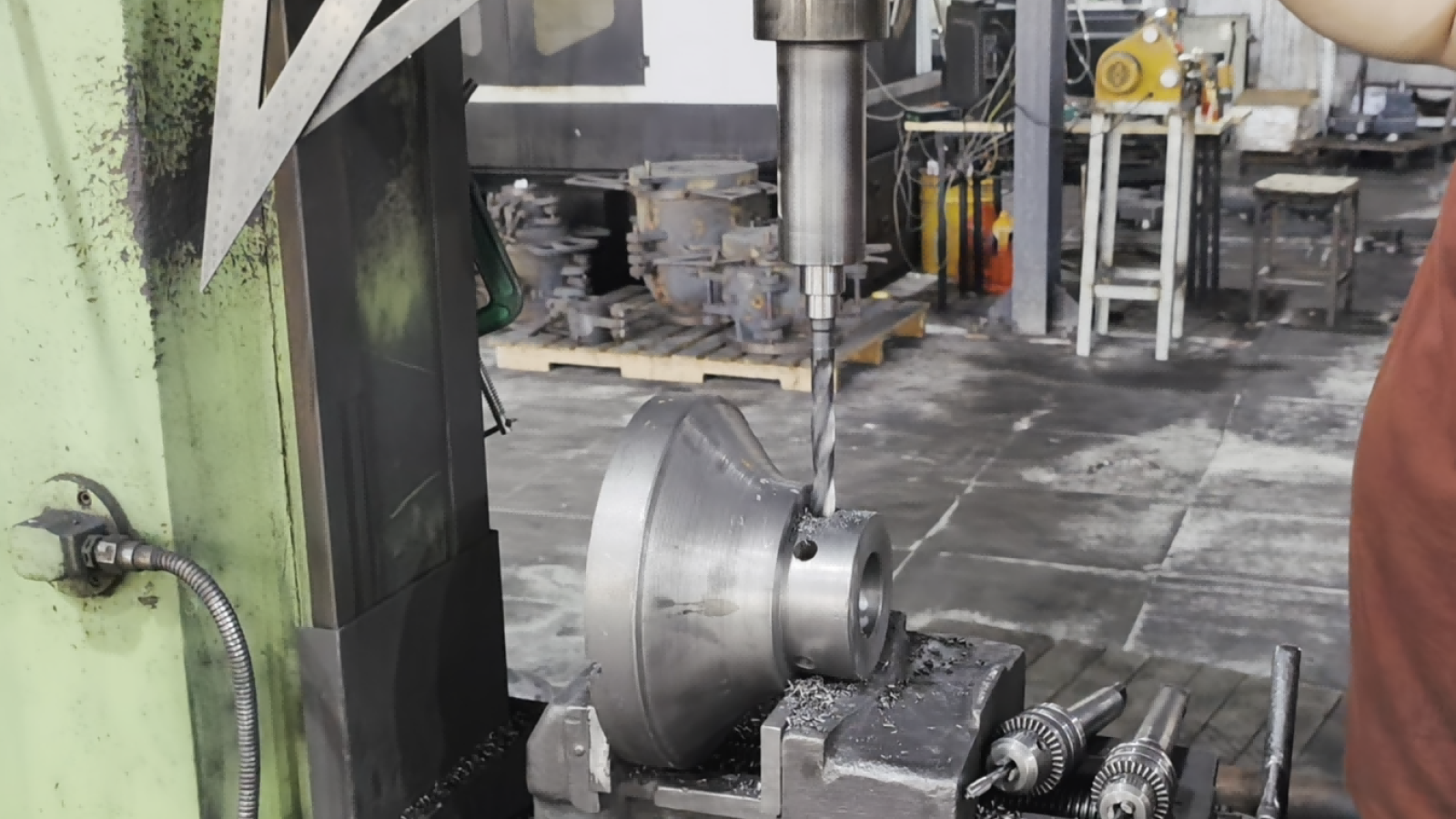
Functional hole and cooling system processing:
According to the mold design, use precision drilling machines, deep hole drills or machining centers to drill various functional holes at specific locations of the mold. This includes: ejector holes (for ejection mechanisms), guide pin and guide sleeve holes (to ensure mold opening and closing accuracy), cooling water holes/water channels (for temperature control), and screw holes (for assembly and fastening). The positioning accuracy, hole size, straightness and hole wall quality of the drilled holes are crucial and directly affect the function and life of the mold.
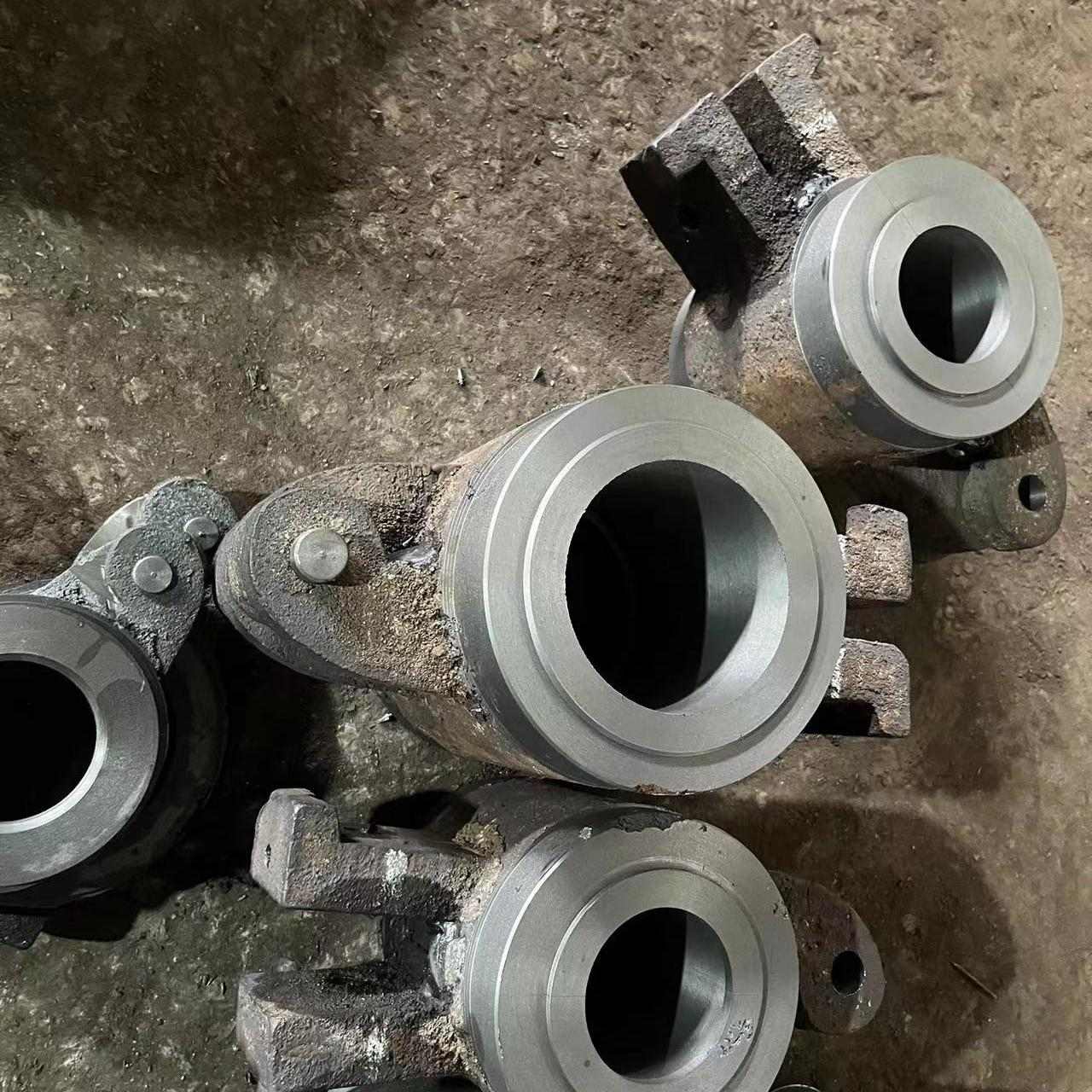
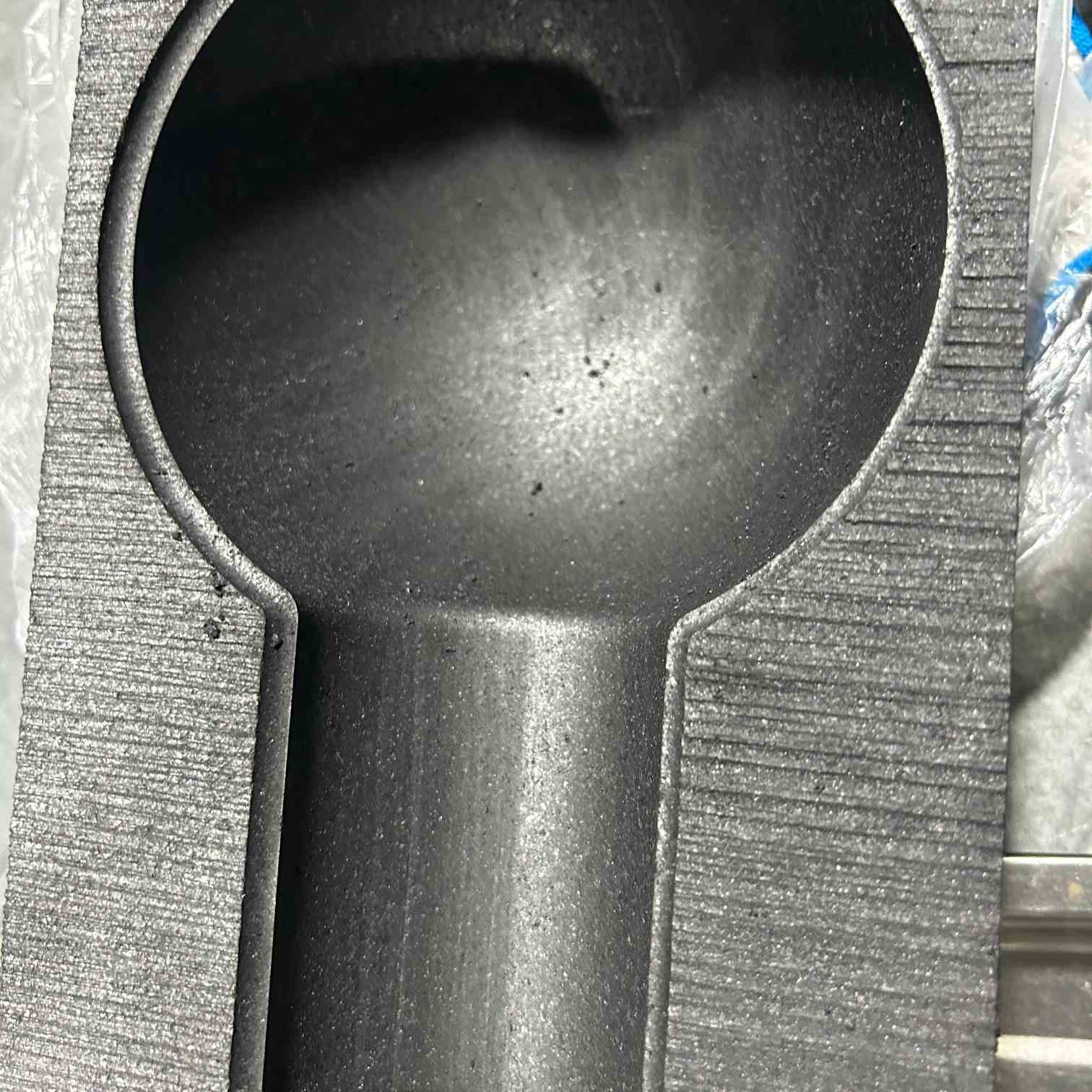
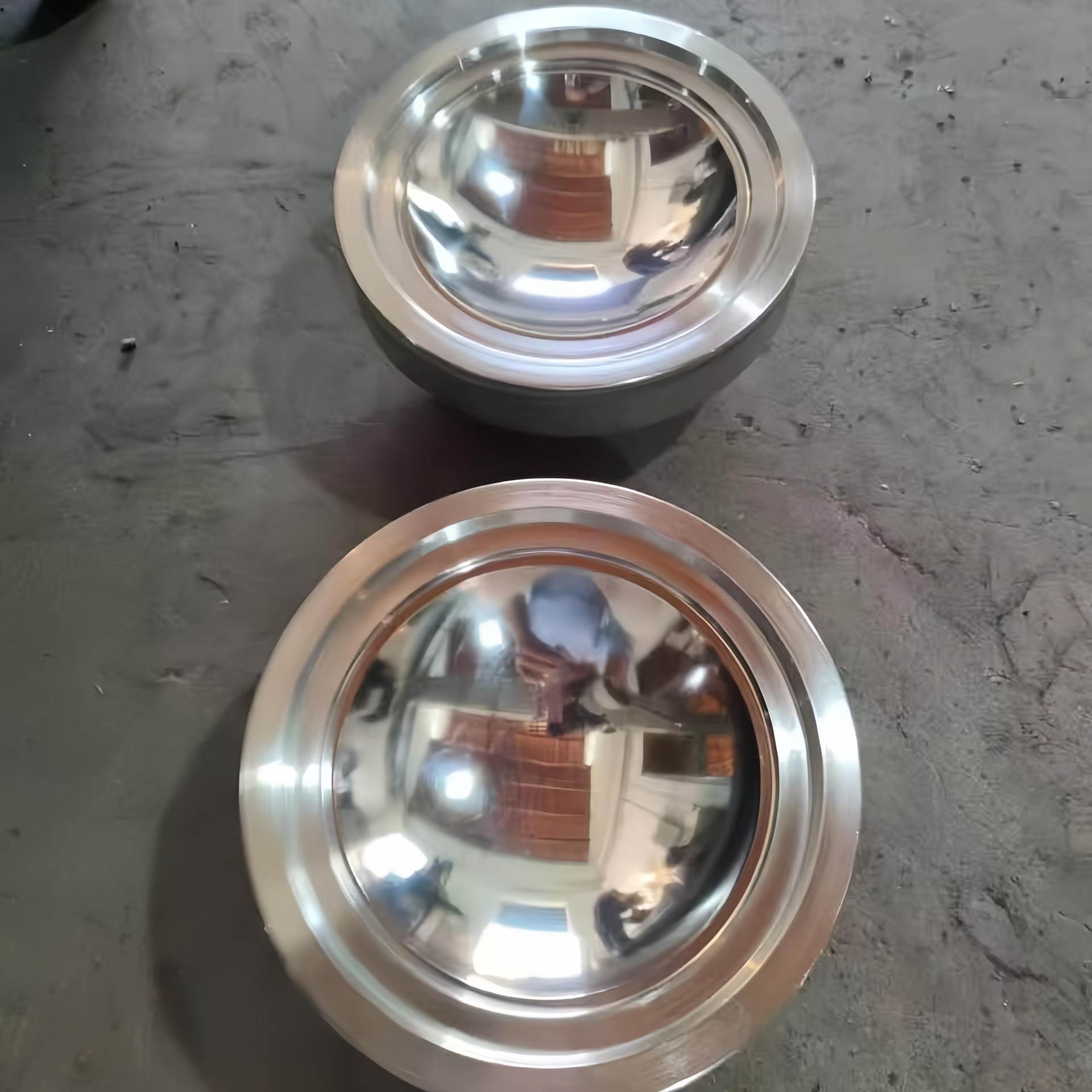
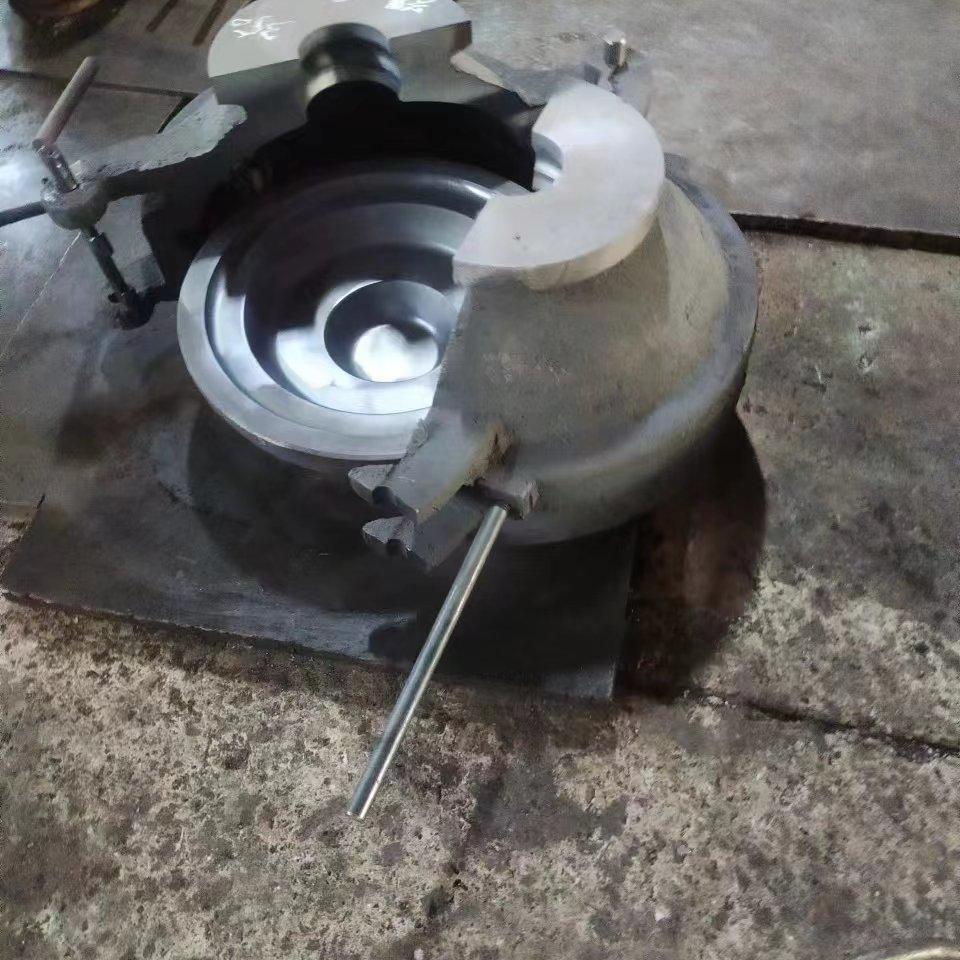
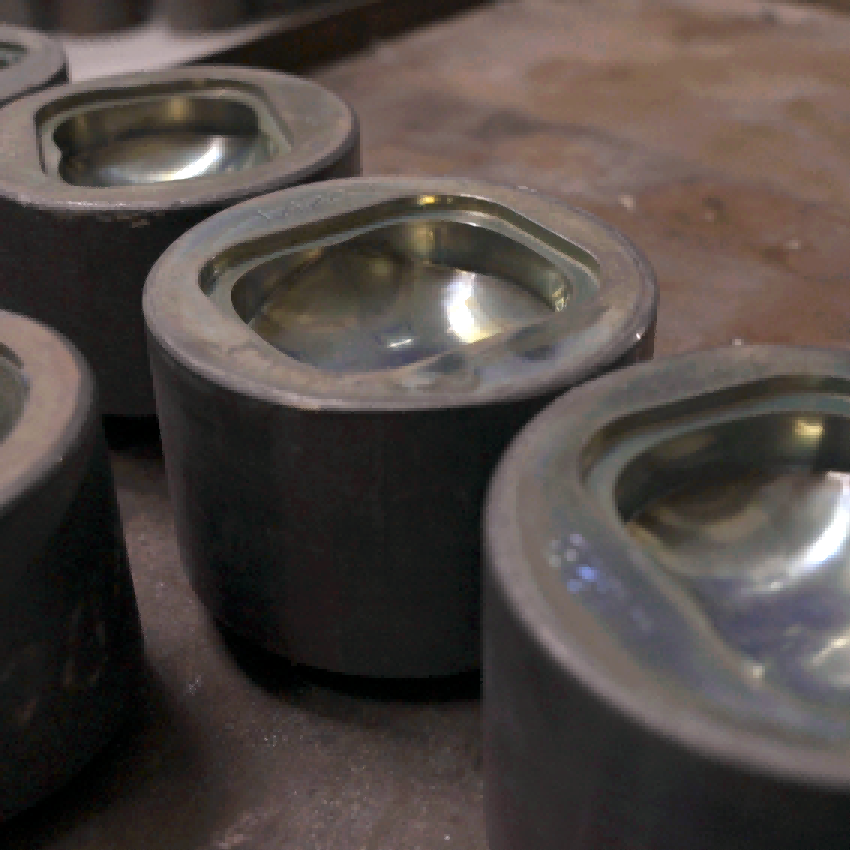
The Molds We Developed
Order Process
Talk With US
BOGLASS dedicated to being the supplier you choose for your custom Glass fabrication. From volume production to prototype, we will meet any require specifications at the most cost effective solution.
- Free quotes and design consultations
- Comprehensive brochure you can download
- Worry-free returns
- OEM&ODM
- Fast Respond Or enthusiasm
- Rapid Production
- Low MQQ
SEND US AN EMAIL
sales@bo-glass.com